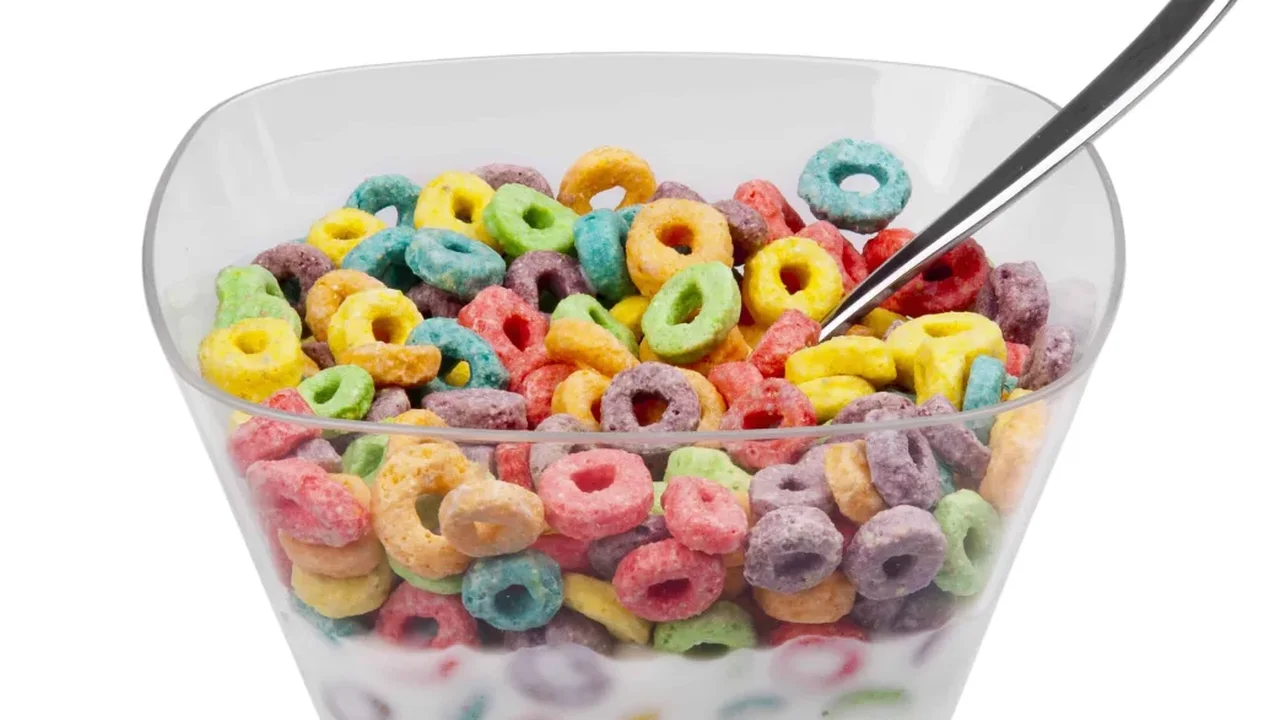
Calories and macronutrients remain central to nutrition, yet a new controlled study suggests that the degree of food processing may also shape how the body responds after a meal.
Researchers at Virginia Tech and the Fralin Biomedical Research Institute compared an ultraprocessed meal with a minimally processed alternative. The meals were carefully designed to be nearly identical in calories, protein, fat, carbohydrates, fiber, sodium, water content and glycemic load.
Each meal contained around 300 calories, making the experiment a closer look at what may happen when foods with similar nutrition-label values differ substantially in their ingredients and production methods.
Similar labels, distinct metabolic patterns
Healthy adult participants ate both meal types on separate occasions while researchers monitored changes in glucose, insulin and energy use after eating. Overall blood glucose levels were broadly similar, but the ultraprocessed meal generated a stronger insulin response that remained elevated for part of the post-meal period.
The study also found differences in how participants used fuel for energy. Normally, the body shifts toward burning more carbohydrates after a meal. That adjustment appeared smaller after the ultraprocessed option, while post-meal energy expenditure rose modestly.
These findings indicate that foods with nearly identical calories and nutrients may not always be processed by the body in the same way.
What processing may change
Ultraprocessed foods often contain refined ingredients, modified starches, emulsifiers, flavourings or protein isolates. Production methods such as refining, grinding and extrusion can alter the physical structure of food, potentially changing how rapidly nutrients become available during digestion.
The researchers note that this small, single-meal study does not establish long-term health outcomes or identify one definitive mechanism. Still, it offers a useful perspective: nutrition labels provide important information, but may not fully capture the biological effects of a meal's food structure and processing history.
Published in Nature Metabolism, the research could help inspire more nuanced nutrition science, where food quality is evaluated alongside calories and macronutrients.
As research advances, understanding how processing interacts with metabolism may support more personalized and future-focused approaches to everyday eating.