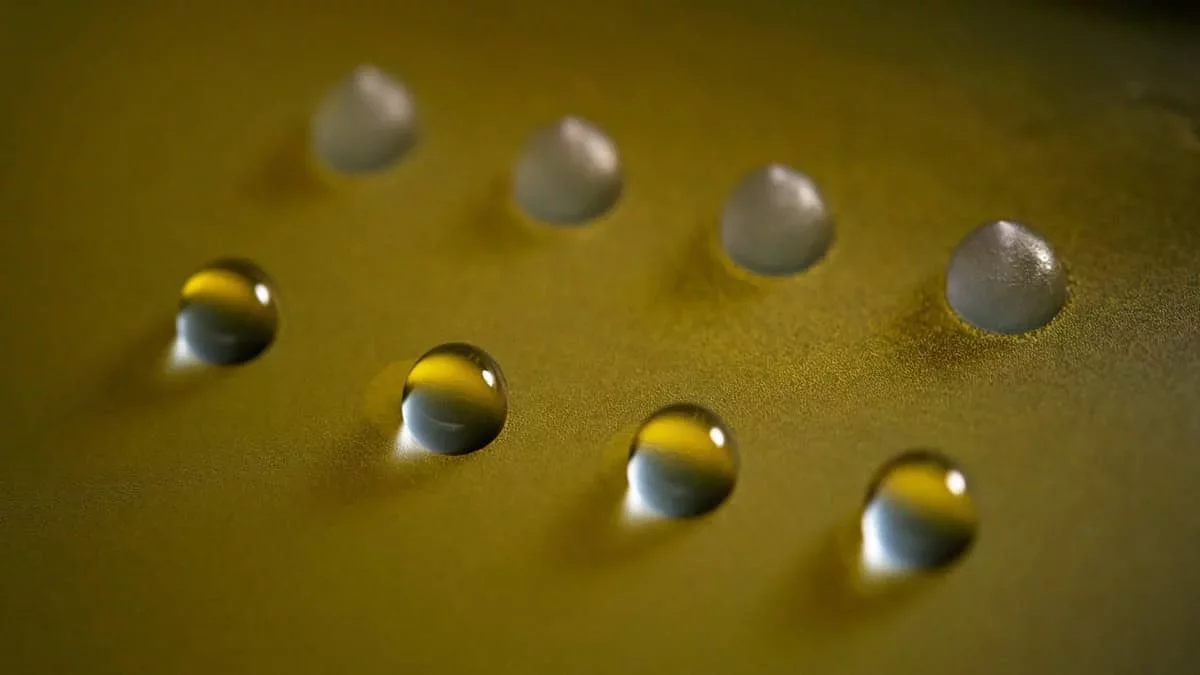
Water doesn't freeze simply because temperatures drop below zero; it requires a catalyst to initiate the crystallization process. This fascinating phenomenon, known as supercooling, allows water to remain liquid even at chilling temperatures as low as -46 degrees Celsius (-50.8 degrees Fahrenheit). Typically, ice formation is triggered by particles like dust or soot, but recent research has unveiled a remarkable biological alternative.
An international team of scientists has identified certain common soil fungi that produce specialized proteins capable of freezing water at temperatures as mild as -2 degrees Celsius (28.4 degrees Fahrenheit). Unlike bacteria, which must be present as whole cells to facilitate freezing, these fungi secrete stable, water-soluble proteins that independently initiate the process.
The Mechanics of Ice Formation
While the ice-making abilities of bacteria have been known since the 1970s, the genetic basis behind similar capabilities in fungi remained elusive until recent advances in DNA sequencing. Researchers focused on the Mortierellaceae family of fungi, collecting samples from polar regions.
Sequencing the fungal DNA revealed genes analogous to those responsible for ice formation in bacteria. To confirm their function, these genes were transplanted into yeast and E. coli, resulting in the engineered organisms gaining ice-making capabilities.
Evolutionary Insights
This discovery raises intriguing questions about how fungi acquired these ice-making traits. The mechanism involves horizontal gene transfer, where genetic material is exchanged between different organisms. Millions of years ago, a fungal ancestor likely assimilated genetic blueprints from a neighboring bacterium.
Interestingly, fungi adapted these blueprints, creating proteins that function independently of a cell membrane, allowing them to secrete ice-nucleating proteins directly into their environment.
Natural Alternatives for Weather Modification
The implications of this research extend beyond understanding ice formation. The proteins produced by these fungi present a non-toxic alternative to traditional cloud seeding methods, which often rely on harmful chemicals like silver iodide. If effectively produced, these fungal proteins could revolutionize weather modification techniques, making them safer and more environmentally friendly.
Applications in Food and Medicine
The benefits of these cell-free proteins extend into food science and medicine. For instance, they could enhance the freezing process of delicate foods and biological tissues, preserving their integrity without the need for live bacterial cells. The ability to isolate and purify these proteins offers a significant advantage in developing safe additives for food preservation and medical applications.
Advancing Climate Science
Moreover, understanding the role of these fungi in ice formation could refine climate models. Given their prevalence in soil, these microscopic entities likely influence weather patterns more than previously recognized. As researchers continue to explore the impact of fungal proteins, we may gain new insights into cloud formation and climate dynamics.
Published in Science Advances, this groundbreaking study highlights the potential of nature's solutions in addressing complex challenges, paving the way for innovative approaches to weather engineering and climate science.