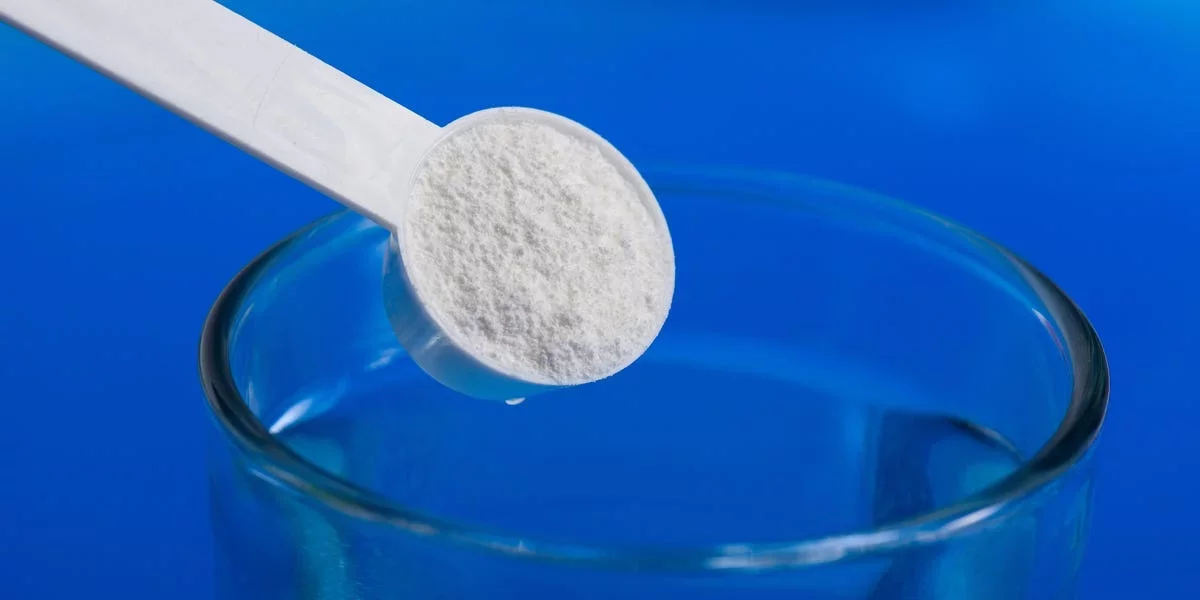
Creatine has become a widely recognized supplement in the fitness world, but questions about its impact on body weight persist. Experts recommend anticipating a weight increase of about 1 to 3 pounds during the initial week or two of creatine supplementation. This early gain primarily stems from water retention, as creatine is stored in skeletal muscles, drawing water into the muscle cells.
As individuals engage in strength training, the additional weight is more likely to reflect genuine muscle growth rather than just water retention. Research indicates that users may gain approximately 2.51 pounds in lean muscle mass when combining creatine with resistance training.
Kristyen Tomcik, PhD, an assistant professor at Case Western Reserve University, shares that the weight gain associated with creatine isn't indicative of fat accumulation. Instead, it reflects a physiological response to increased water in the muscles, which is a normal reaction to creatine intake.
The Mechanism Behind Initial Weight Gain
The primary reason for the scale's upward tick is due to the osmotic effect of creatine, which enhances the body's water content. Aubrey Grant, MD, a sports cardiologist at MedStar Health, explains that this process is not harmful and is a predictable outcome for most users. He emphasizes that this initial weight increase is not derived from fat.
As the body adapts to creatine, water retention typically stabilizes after a few weeks, although some degree of increased intracellular water in the muscles may persist as long as supplementation continues. Dr. Grant compares this to the early stages of a low-carb diet, where individuals initially lose water weight due to glycogen depletion.
Weight Gain from Muscle Growth
For those who are actively training while using creatine, weight gain is likely linked to actual increases in muscle mass, which is generally considered a positive outcome. Creatine enhances energy availability during high-intensity workouts, contributing to improved performance and muscle development.
Studies reveal that individuals supplementing with creatine while engaging in resistance training can achieve greater muscle gains compared to those who do not use the supplement.
Addressing Misconceptions About Fat Gain
It is a common myth that creatine leads to increased fat mass. However, clinical trials consistently show no significant changes in fat mass, regardless of the duration of creatine use. This finding underscores the importance of maintaining a balanced diet and a structured training regimen to maximize the benefits of creatine.
When to Monitor Weight Gain
While initial water weight gain is generally not a cause for concern, individuals should be cautious if they do not engage in adequate strength training or maintain a healthy diet. In such cases, weight gain may stem from fat accumulation. For optimal results, Dr. Grant advises combining creatine with a robust resistance training program and ensuring proper hydration.
In conclusion, as creatine continues to be studied and utilized in fitness, understanding its effects on body composition can empower users to make informed decisions about their supplementation and training practices, potentially leading to enhanced performance and health benefits in the future.