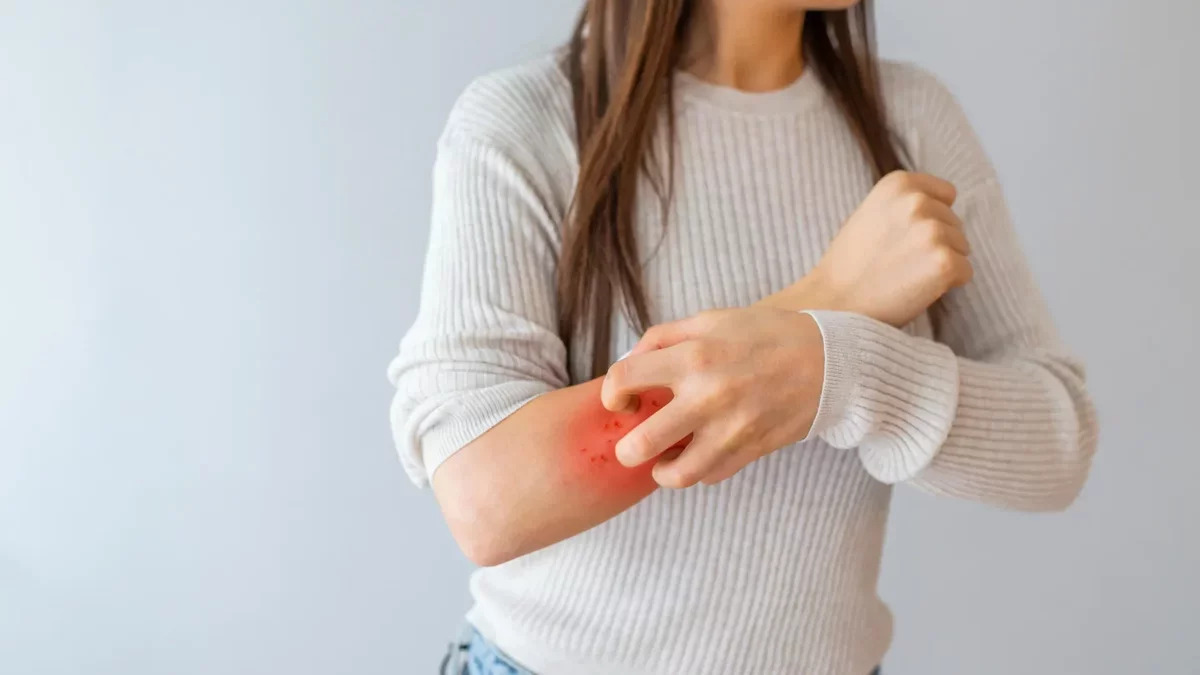
Recovery following an accident or surgery often varies significantly, particularly between genders. Research indicates that women tend to endure pain for longer periods compared to men.
After years of investigation, a recent study has unveiled that this discrepancy may stem from the immune system's role in pain management. According to Geoffroy Laumet, a physiologist at Michigan State University, the findings suggest a biological mechanism rather than a psychological one.
An Immune Mechanism for Pain Regulation
Pain perception involves more than just nerve signals; it also includes the immune response. Following an injury, immune cells infiltrate the affected area and release signals that can either heighten or alleviate pain. These signals significantly influence the nervous system's ongoing responses.
Earlier research has indicated that males and females may utilize different immune pathways to process pain. The latest study, published in Science Immunology, highlights the role of interleukin-10 (IL-10), a molecule known for its anti-inflammatory properties. The research demonstrated that IL-10 could diminish pain signals by interacting with receptors on sensory neurons.
In experiments involving mice, researchers induced inflammation in the skin and observed that male mice exhibited quicker recovery than their female counterparts after a week. This advantage was linked to a higher concentration of immune cells producing IL-10 in the males' inflamed tissues.
Most IL-10 was derived from monocytes, a type of white blood cell. These cells released IL-10 at the injury site, and the nearby pain-sensing nerves had receptors capable of detecting it. When IL-10 production was inhibited, or its receptors were blocked, pain persisted longer in both male and female mice.
The researchers sought to understand why males had a greater presence of these beneficial cells. Their findings suggest that hormones, particularly testosterone, play a crucial role. Female mice treated with a synthetic androgen produced more IL-10-positive monocytes, resulting in faster recovery. Conversely, removing testosterone sources from male mice diminished their recovery rate.
Implications for Pain Management
To explore whether these findings apply to humans, the researchers analyzed data from the AURORA study, which monitors patients after traumatic injuries. Initially, both genders reported similar pain levels; however, pain diminished more rapidly in men over the following months. Higher IL-10 levels in men's blood samples were associated with reduced pain during recovery.
Despite these insights, experts caution that no single pathway can account for all chronic pain conditions. Michele Curatolo, a pain specialist, emphasized that the complexity of pain mechanisms requires a multifaceted approach.
These findings may resonate with many women who often face skepticism regarding their pain experiences. Laumet's research suggests that the difference in pain perception between genders has a biological foundation, reinforcing that women's pain is not merely psychological but rooted in their immune response.
Future treatments could potentially focus on enhancing the immune system's 'off-switch' for pain, with molecules like resolvin D1 showing promise in expediting recovery. Laumet proposes that localized treatments, such as testosterone patches, might minimize systemic side effects.