A new assessment from the United Nations Environment Programme (UNEP) finds that limiting global warming to 1.5°C above pre-industrial levels is no longer achievable under the emissions scenarios it examined. Even its most ambitious pathway would see temperatures peak around 1.7°C to 1.8°C.
The Paris Agreement aims to keep warming well below 2°C while pursuing efforts to hold it to 1.5°C. UNEP says that every fraction of a degree remains important, making continued emissions cuts essential.
Clean energy capacity is expanding
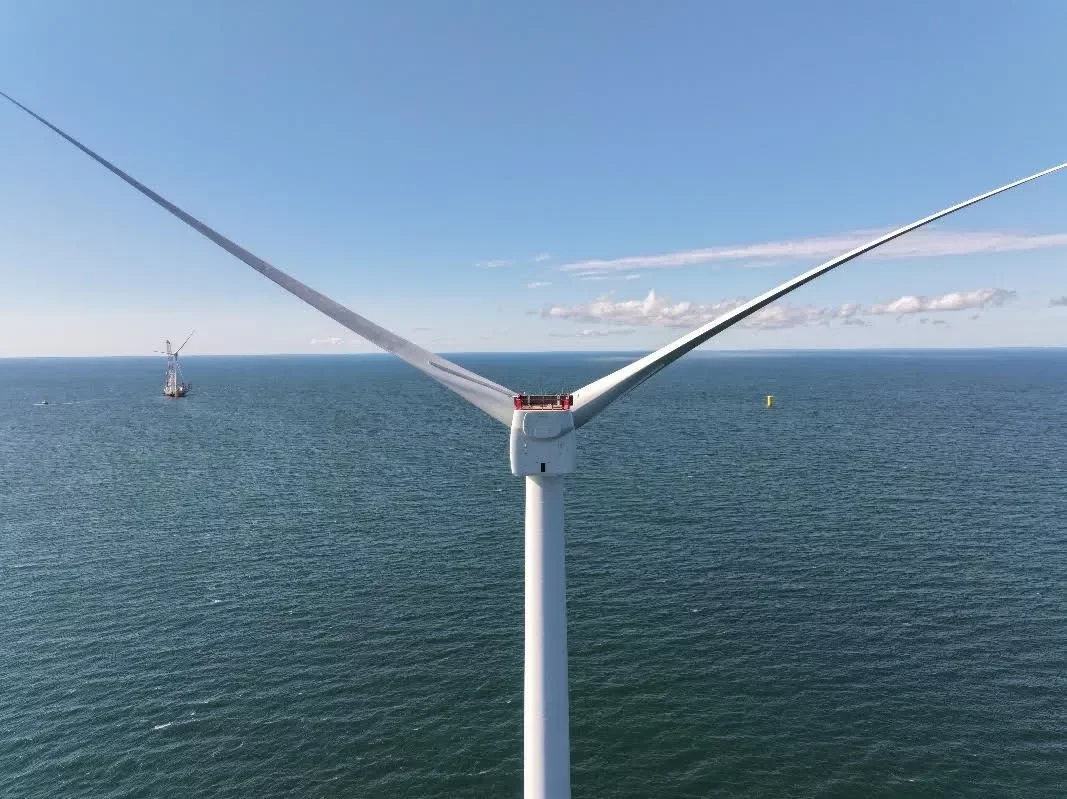
Renewable electricity capacity worldwide has grown three times faster than expected in 2015, while solar photovoltaic capacity has expanded seven times faster, according to the assessment. Global emissions in 2025 were similar to the previous year, though emissions from burning coal, oil and gas continued to rise.
Reaching the report's lowest-warming pathway would require emissions to fall 18% by 2030, 45% by 2035 and 69% by 2040, compared with 2025 levels. It would also involve removing substantial carbon dioxide from the atmosphere through approaches such as reforestation and carbon-capture technologies.
Under existing policies, the assessment projects warming of about 2.8°C by 2100. UNEP's findings point to the need to pair the rapid expansion of renewable energy with deeper cuts in fossil-fuel emissions. The choices made over the coming decades will help determine how effectively clean-energy progress shapes a more resilient future.