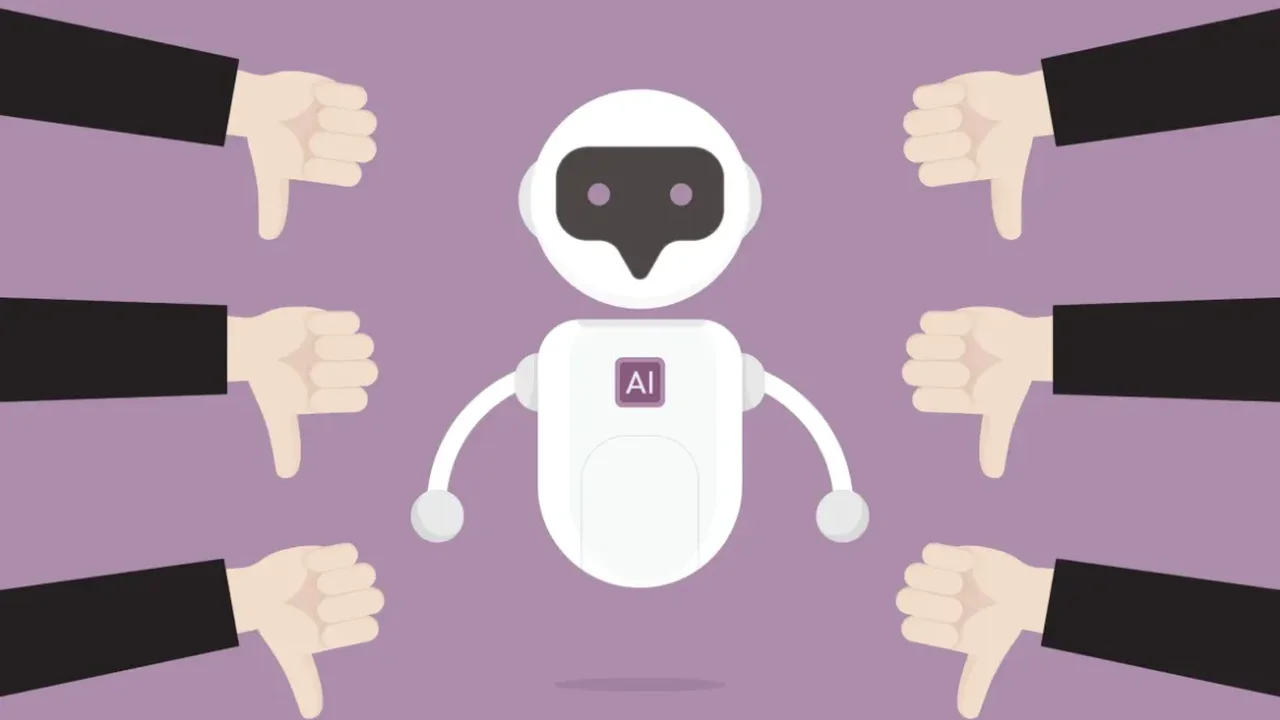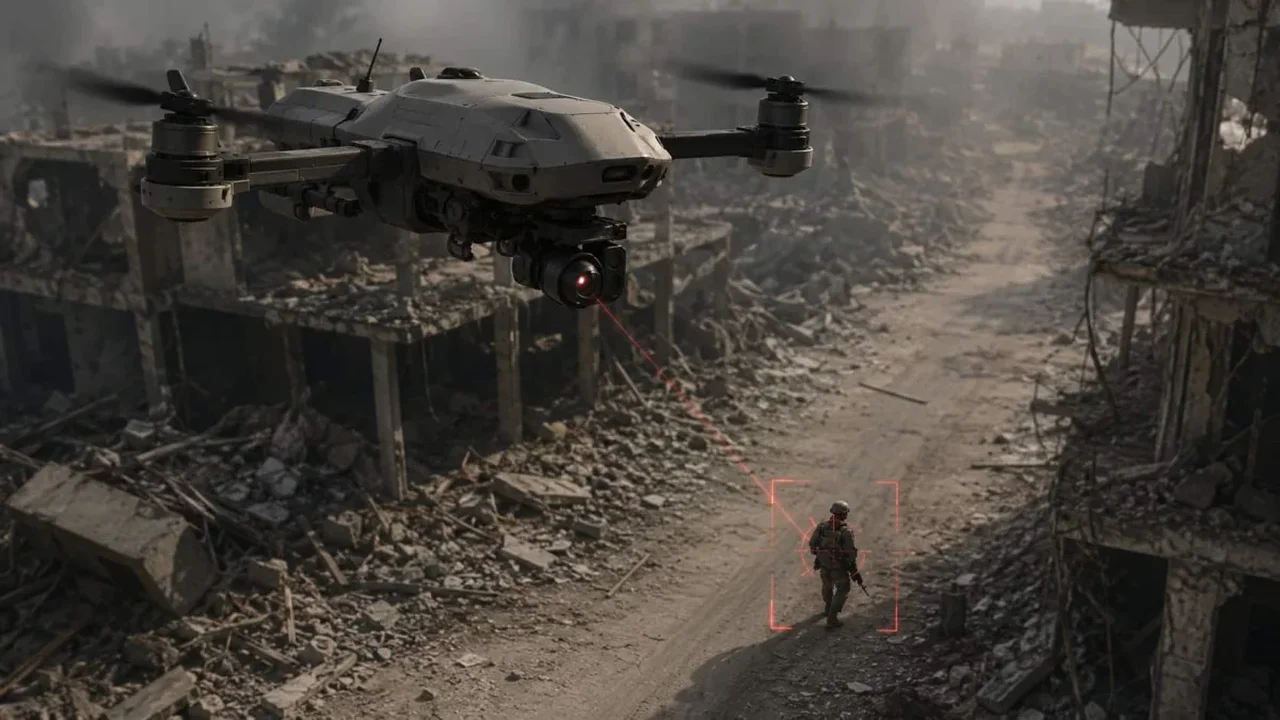
The United Nations and the International Committee of the Red Cross are urging governments to set firm rules for autonomous weapons as AI systems become capable of identifying targets and, in some cases, making attack decisions with little or no human input.
A fast-moving frontier in military AI
Officials say the debate is no longer theoretical. AI-enabled systems can now process sensor data, classify objects, and guide weapons with increasing speed and precision. While automation in defense has existed for years, the new concern is the possibility that a machine could complete the final targeting step on its own.
Reports from recent battlefield investigations have intensified attention on this issue. Analysts examining drone systems found onboard computing hardware, software with predefined target categories, and limited signs of direct human piloting. That has sharpened the global discussion around how much control people should retain over lethal systems.
What "human control" really means
One of the central ideas in the debate is meaningful human control. The concept calls for people to remain involved in critical decisions about the use of force, but there is still no universal agreement on how that should be defined in practice.
Some governments prefer the phrase "appropriate human judgment," which emphasizes oversight during design, testing, deployment, and rules of engagement rather than requiring a person to approve every individual strike. Supporters of stricter limits argue that earlier oversight may not be enough if a machine ultimately chooses the target.
The UN and ICRC are not calling for a blanket ban on every autonomous system. Instead, they want clear restrictions on weapons that can independently target humans and on systems whose behavior cannot be reliably predicted.
As AI hardware becomes more capable and more affordable, autonomous defense tools are likely to spread faster across military planning. The next phase of this technology may shape not only security policy, but also the future standards that define responsible machine autonomy.