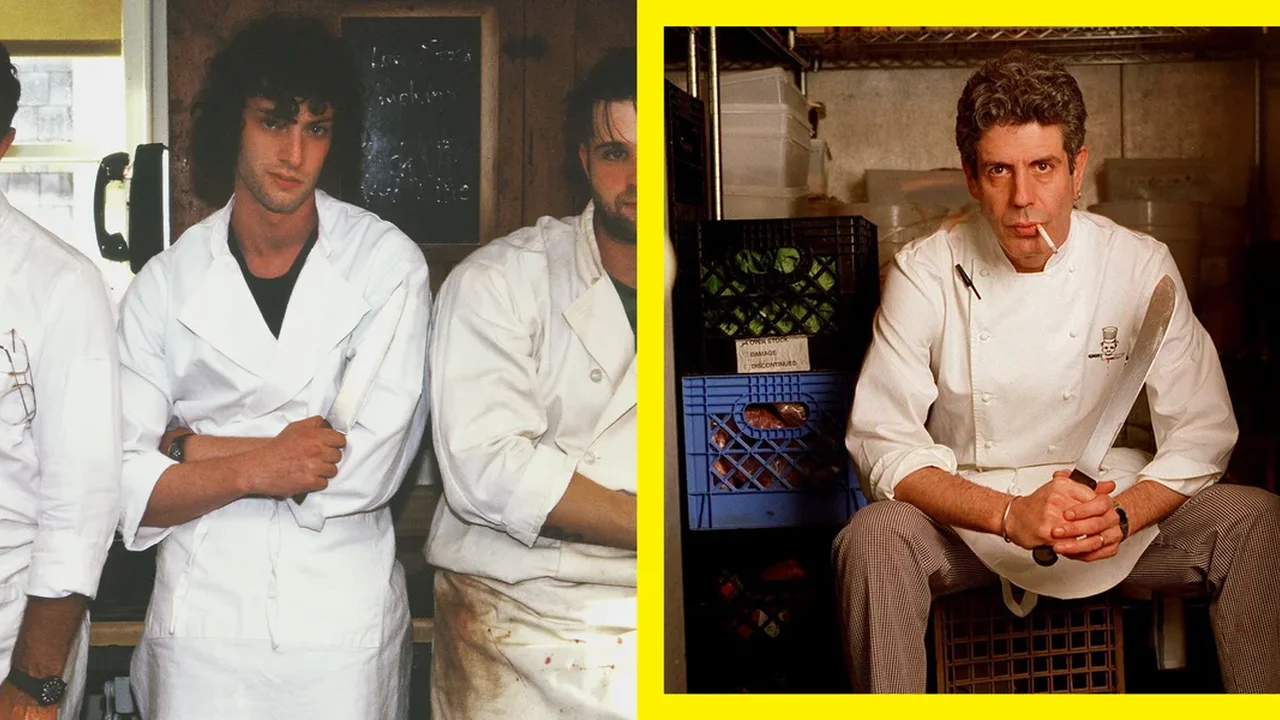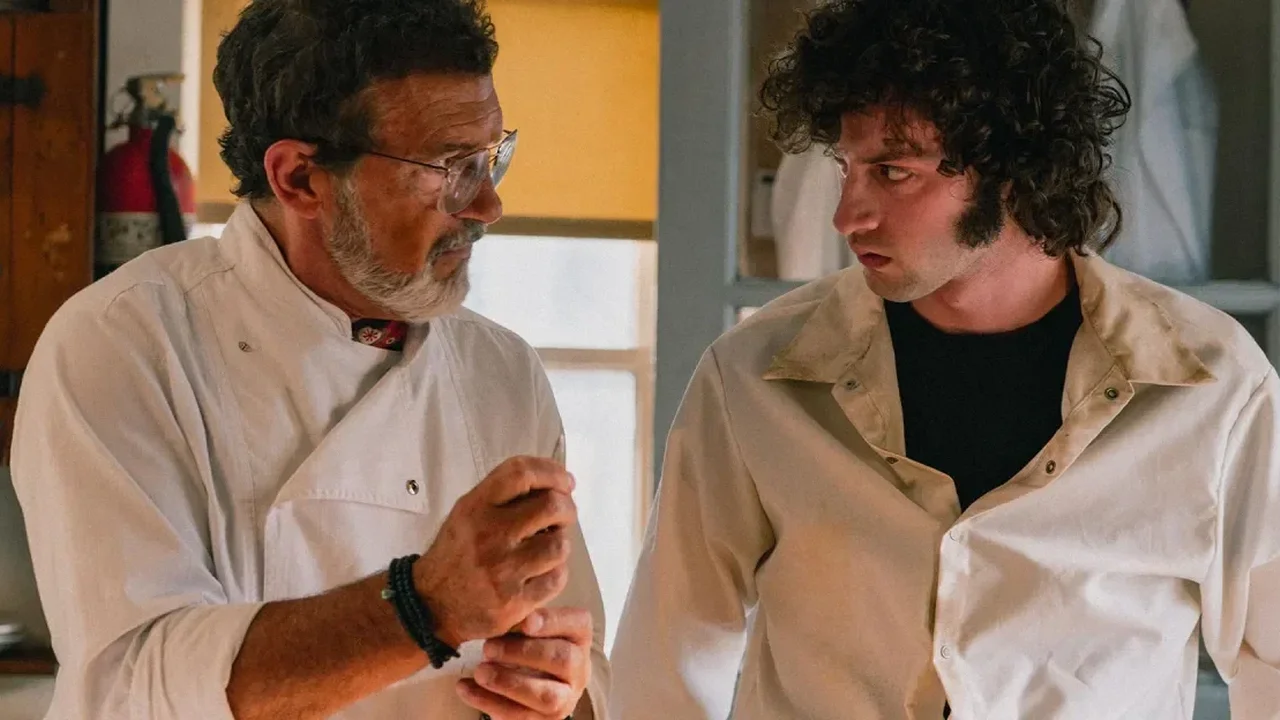
Tony, Matt Johnson's new Anthony Bourdain biopic, takes a deliberately unglamorous route into the chef's early life. Rather than building a legend, the film follows a 19-year-old Tony in the summer of 1975, after a setback at Vassar College sends him to Provincetown, Massachusetts, where he takes a dishwashing job in a rough-edged restaurant kitchen.
The story draws from Kitchen Confidential and focuses on the period before Bourdain became a cultural icon. Dominic Sessa plays the young Tony, while Antonio Banderas appears as a calm, disciplined chef who becomes an important influence. The film compresses timelines and reshapes some characters, but keeps its attention on the energy of the kitchen and the way it transforms an uncertain young man.
What sets Tony apart is its willingness to show Bourdain as awkward, impulsive, and at times difficult to like. That choice gives the film room to explore insecurity, ambition, and the messy process of growing into oneself. The kitchen becomes more than a workplace: it is a place of mentorship, identity, and discovery, where food, discipline, and human connection intersect.
There are also vivid food moments, from oysters to fire-charred fish, that underline how taste can shape memory and aspiration. Yet the film's deeper focus is not culinary spectacle, but the emotional shift that happens when someone begins to understand their place in a demanding world.
By turning a familiar figure into a more vulnerable character, Tony reframes a well-known story as one about becoming, not arriving. It suggests that the most lasting cultural stories often begin in ordinary spaces, and that future films may continue to find power in showing icons before they became icons.