The phenomenon of running influencers, or "runfluencers," has gained momentum recently, capturing the interest of many within the online running community. However, a closer look reveals a trend that warrants caution. When a post promises an in-depth breakdown of a 5K race-day routine, only to find out it's sponsored by a major running app, it raises eyebrows. While not all influencers resort to dishonesty, the increasing presence of these figures often complicates the community landscape.
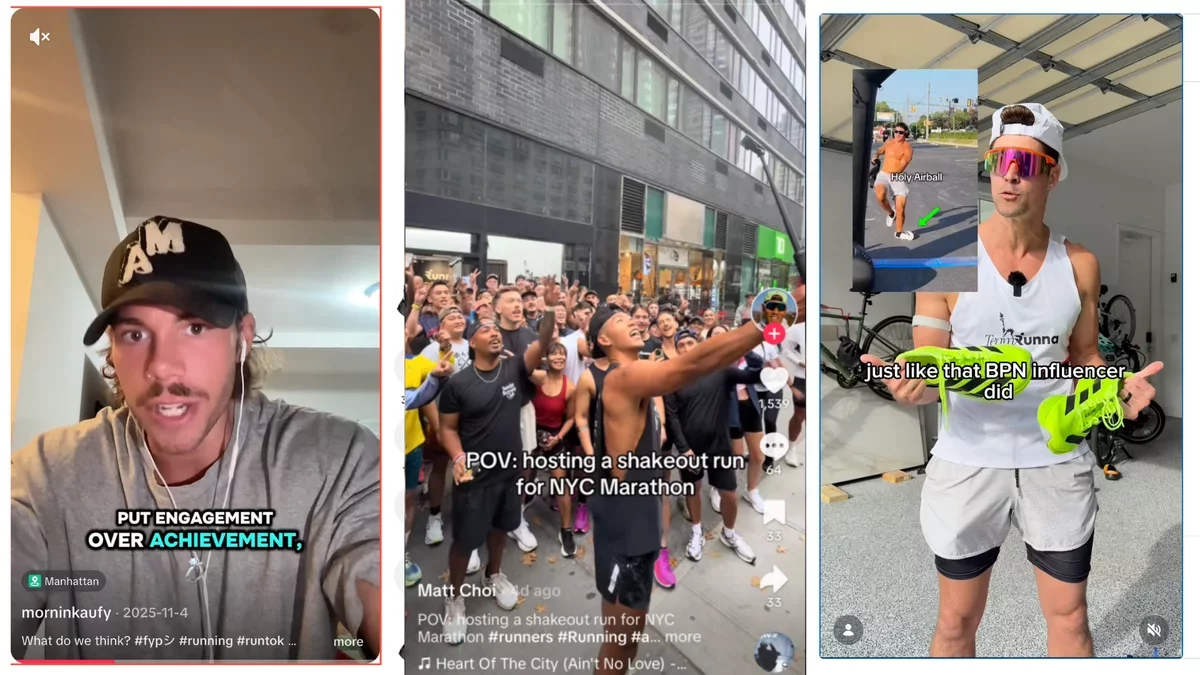
Running influencers can inspire and motivate, particularly those sharing their journeys from novice to 10K. Yet, the challenge arises when brands like Nike Run Club and Strava promote influencers who may lack the qualifications to dispense training advice. This has led to a surge of creators who, instead of focusing on their running, prioritize their influencer status, sometimes even leading to disqualifications from major events like the New York City Marathon.
This growing divide between those who appear to be knowledgeable and those who genuinely understand training principles can result in misinformation. Incorrect advice might not only hinder progress but also increase the risk of injuries.
The Emergence of the Runfluencer Economy
The running boom has been palpable, with events like the New York City Marathon lottery becoming increasingly competitive. New runners are flocking to social media for guidance, but the algorithms favor engaging content over nuanced advice. Consequently, the focus shifts towards race-day vlogs and dramatic narratives, sidelining the essential, albeit less glamorous, aspects of training.
Brands are incentivized to partner with high-follower creators, leading to a chaotic information landscape where reliable guidance is often overshadowed by flashy content. This environment complicates how aspiring runners can discern valuable advice.
Common Pitfalls of Runfluencers
While not all influencer advice is detrimental, several recurring issues can be identified:
Overtraining: Many influencers advocate for running at a fast pace too frequently, disregarding the importance of easy runs, which should comprise about 80% of training.
Misinformation about gear: Influencers often lack objectivity when discussing products, as their income may depend on brand partnerships.
Ignoring individual needs: Unlike a certified coach, influencers typically do not consider personal factors like injury history or training availability.
Evaluating Running Advice Online
To sift through the noise, consider these questions:
What are their credentials?
Look for recognized certifications or experience in competitive athletics. A large following does not equate to expertise.
Do they explain their reasoning?
Advice lacking context may be a red flag. Quality guidance should include explanations for recommended practices.
Are sponsorships disclosed?
Transparency regarding sponsorships is crucial. Undisclosed partnerships can skew recommendations.
Finding Reliable Running Resources
There are numerous free resources available, such as:
Hal Higdon's training plans: Well-structured plans for all levels.
Runner's World: Trustworthy downloadable training options.
Your local running club: Invaluable collective knowledge from experienced runners.
Conclusion
Engaging with running content online can be rewarding, but it's essential to differentiate between inspirational and instructional materials. By asking the right questions, runners can find trustworthy advice and focus on their personal journeys.