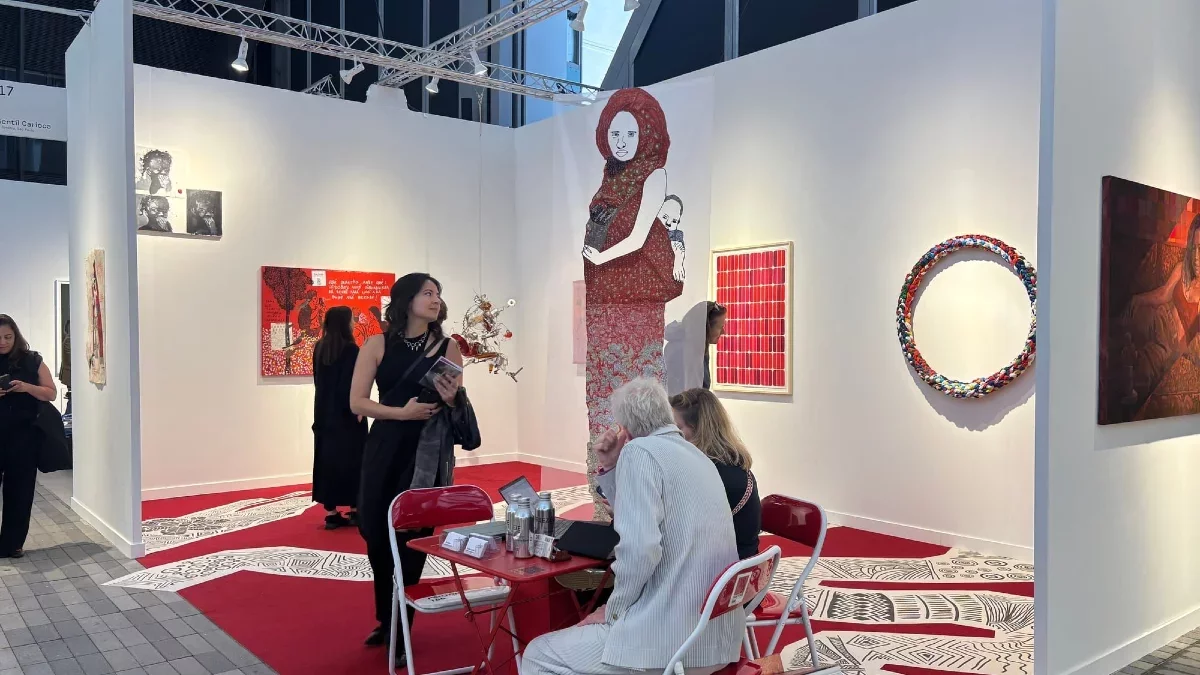
As an emerging artist without gallery representation, you might wonder, "Should I attend art fairs?" The truth is, participation in art fairs is not a necessity; it's entirely optional. These events serve as platforms for viewing and purchasing art, as well as networking with industry professionals. If these aspects do not appeal to you, it's perfectly acceptable to skip them.
However, the challenge arises from the perception that artists are often overlooked at these fairs. While galleries may be missed, the absence of individual artists rarely draws attention. This can lead to feelings of invisibility in a crowded space.
Your experience at an art fair will largely depend on what you aim to achieve. Are you looking to network, discover new art, or perhaps both? Defining your goals will help you strategize your attendance. This often involves scheduling meetings with contacts you already have and reviewing the fair's programming in advance.
Understanding the importance of strategic planning is crucial, even if it is not commonly labeled as such in the art community. Successful artists recognize that visibility is not merely about the quality of their work; it's about actively seeking opportunities to connect with others in the field.
For instance, consider an artist I collaborated with who contemplated joining Upstate Open Studios, which coincides with major events like Frieze New York. Ultimately, he opted out, believing that curators would be focused elsewhere. This highlights the need for thoughtful decision-making regarding which fairs to attend, as not all events hold equal value.
Some fairs, like Frieze, may have high ticket prices that could deter participation for those without established connections, while more accessible events like Clio cater to emerging artists. It's essential to select fairs that align with your career stage and objectives.
Even once you've chosen the right fair, the prospect of attending can be daunting, especially for artists seeking representation. It may feel like intruding on an exclusive gathering. However, it's important to shift your perspective and recognize that each fair is just one of many opportunities.
The true benefit of attending art fairs lies not solely in networking but in gaining invaluable information. Understanding the art scene allows you to make informed decisions and expand your connections within the community.
Many artists assume that galleries are uninterested in their work during such events, but this is not always the case. Opportunities can arise unexpectedly. At a recent Expo Chicago, I observed a gallerist arranging a studio visit with an artist simply because they enjoyed their conversation, despite not having seen the artist's work yet.
Art fairs draw a variety of curators and collectors, creating a vibrant atmosphere for making new connections. While these connections may not be guaranteed, they can lead to fruitful collaborations and insights.
In conclusion, while attending art fairs is not mandatory, they can serve as a valuable resource for artists looking to enhance their understanding of the industry and foster new relationships. The knowledge gained can be a powerful asset as you navigate your artistic journey.