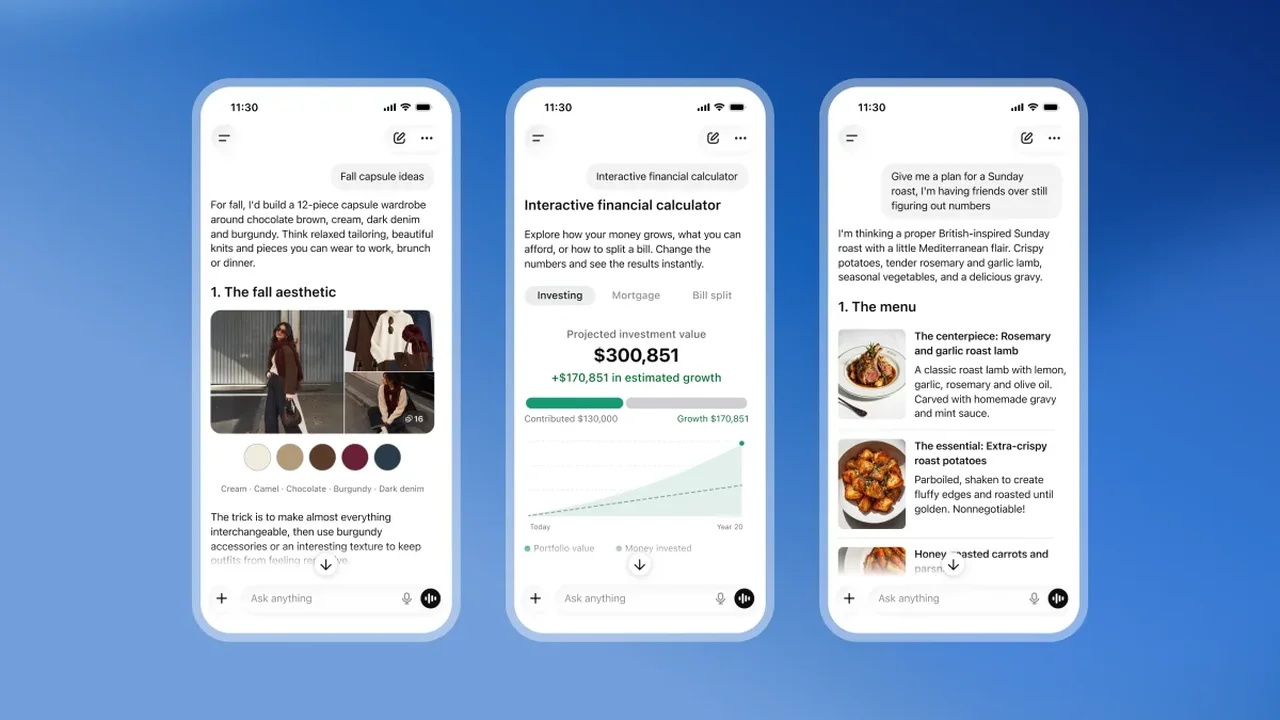
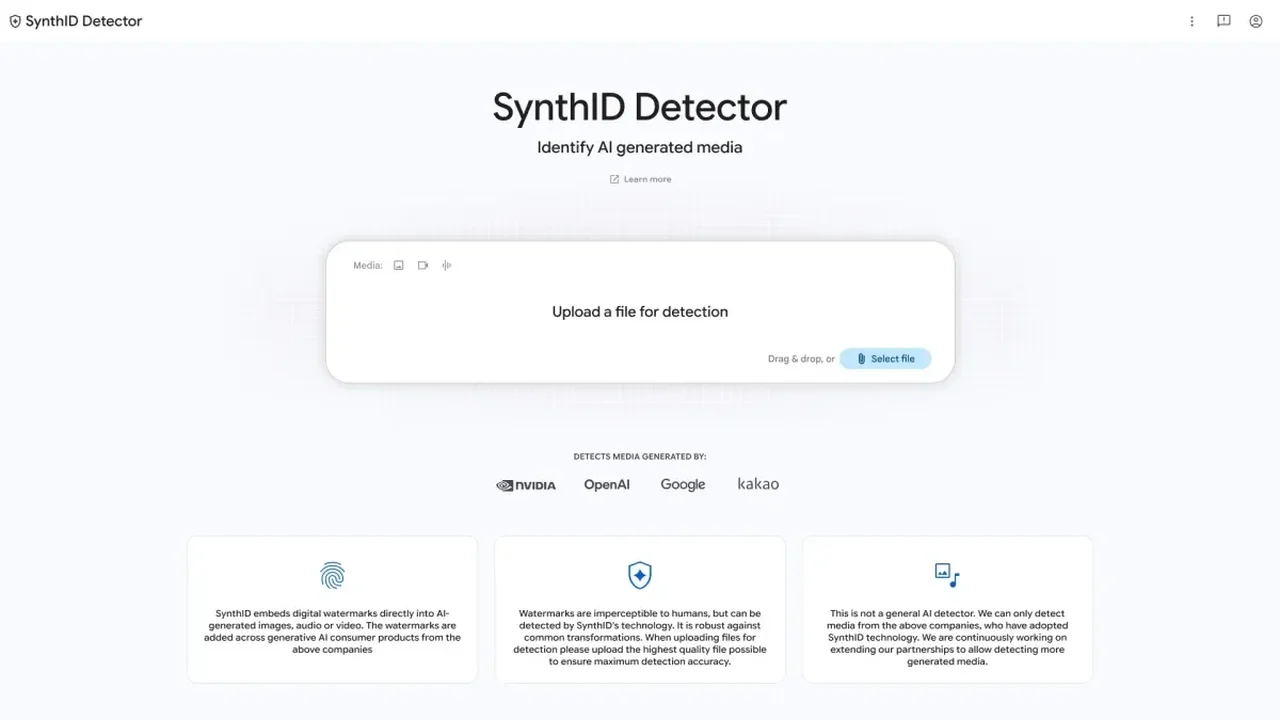
In today's digital landscape, it is crucial to recognize that interactions with AI chatbots, such as Gemini and ChatGPT, are not private. Everything shared may be utilized in various ways, much like conversations with unfamiliar individuals. If you wouldn't disclose sensitive information to a stranger, it's wise to refrain from doing so in chatbot interactions.
A recent study conducted by researchers at Stanford examined the privacy policies of the leading U.S. companies behind popular AI chatbots, including Claude and Gemini. Their findings revealed that these platforms typically use chat data for training purposes by default. Some companies retain this data indefinitely and often combine it with other consumer information, increasing the potential for data breaches. While users may opt-out of having their data utilized for training, it remains possible for human reviewers to access chat logs, further heightening privacy concerns.
To maintain your privacy while using AI chatbots, consider avoiding the following:
Login Credentials: Never share usernames or passwords in chatbot prompts. Instead, rely on secure password managers or passkeys.
Financial Data: Avoid sharing specifics about your finances, such as bank statements or credit card numbers, as this can expose you to theft and fraud.
Medical Records: Chatbots are not medical professionals; sharing your medical history could lead to privacy violations and data breaches.
Personally Identifiable Information (PII): Refrain from sharing details like your name, address, or Social Security number, which could facilitate identity theft.
General Health Information: Even seemingly harmless health-related queries may lead to profiling by AI, which could be accessed by insurance companies.
Mental Health Concerns: Chatbots should not replace professional mental health support. They are often ineffective and may even cause harm.
Photos: While AI image editing is popular, uploading personal photos carries risks, including potential misuse of metadata.
Company Documents: Be cautious when sharing sensitive company information with chatbots, as this could violate workplace policies.
In summary, exercise caution when interacting with AI chatbots. Always assume that shared information could be stored and accessed by others. Prioritize your privacy by avoiding personal and identifiable data, and utilize all available privacy settings.