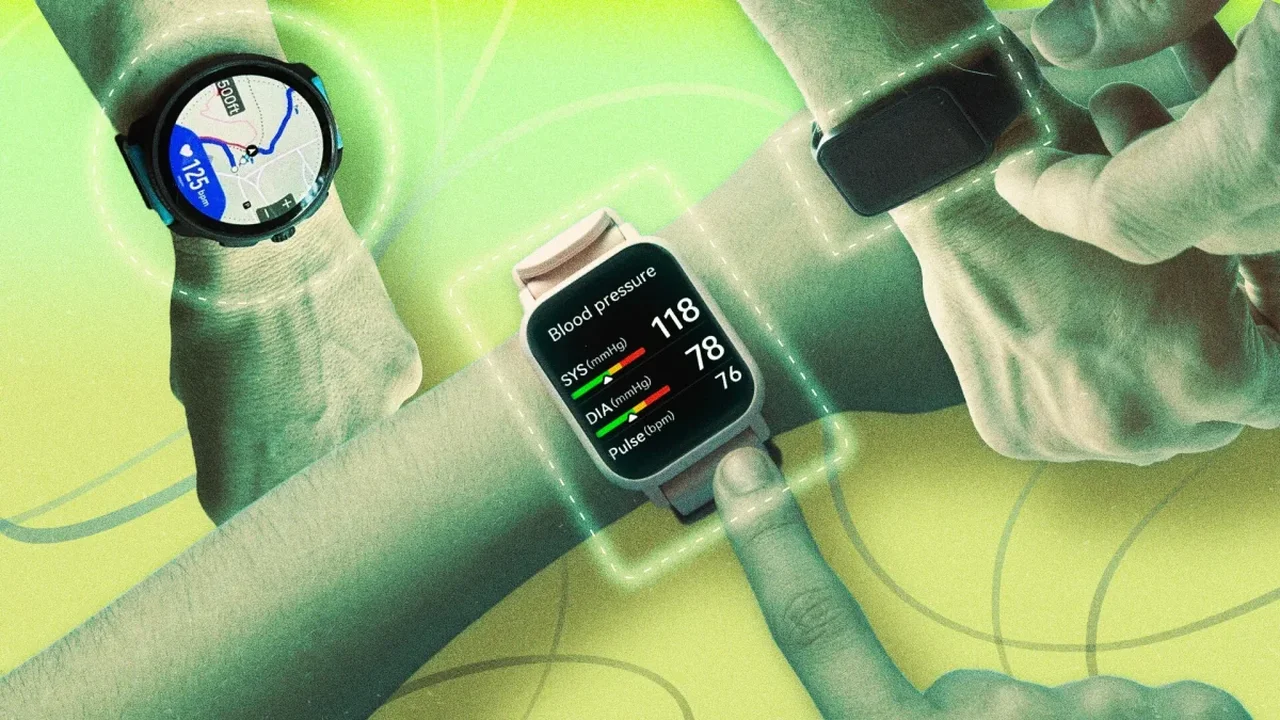
A smartwatch's size affects more than comfort and appearance: it can influence how reliably the device tracks your heart rate, particularly during exercise. Optical sensors on a watch's underside use light to detect changes in blood flow, so steady contact with the skin is important.
If a watch shifts or bounces, light can enter between the sensor and wrist, disrupting readings. During a run, some devices may even mistake the rhythm of footsteps for a heartbeat--a problem known as "cadence lock." A snug fit helps, but an oversized watch can be difficult to secure comfortably.
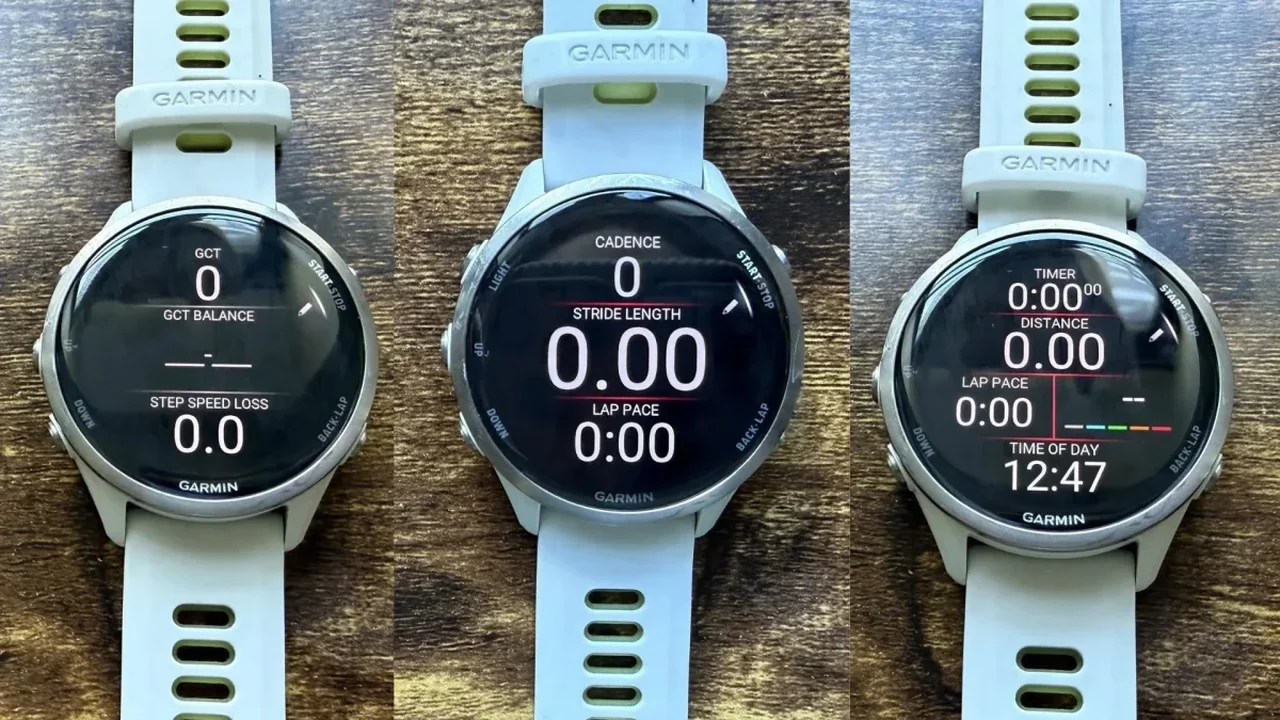
In a same-run comparison of the Garmin Forerunner 265 and 265S, which share a sensor but come in 46 mm and 42 mm sizes, respectively, the smaller model recorded heart rate more accurately for the tester. That result is individual, not a guarantee that a smaller watch will perform better for everyone.
Balancing fit and features
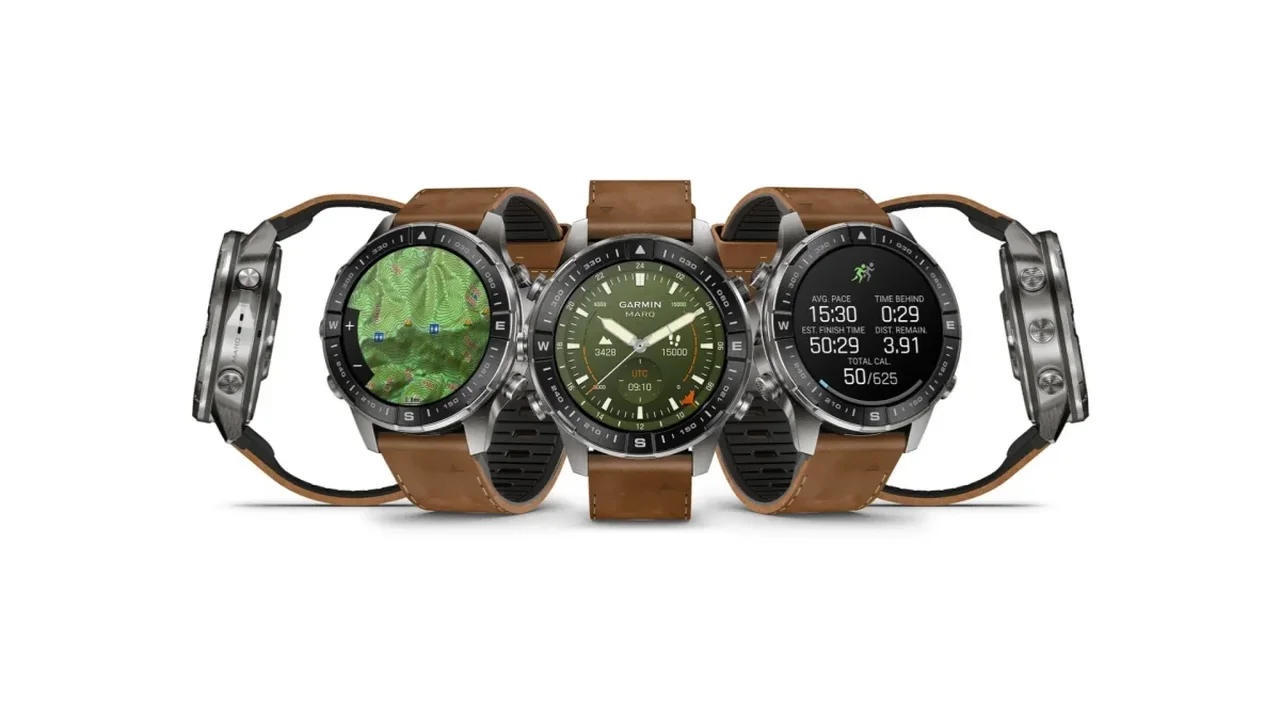
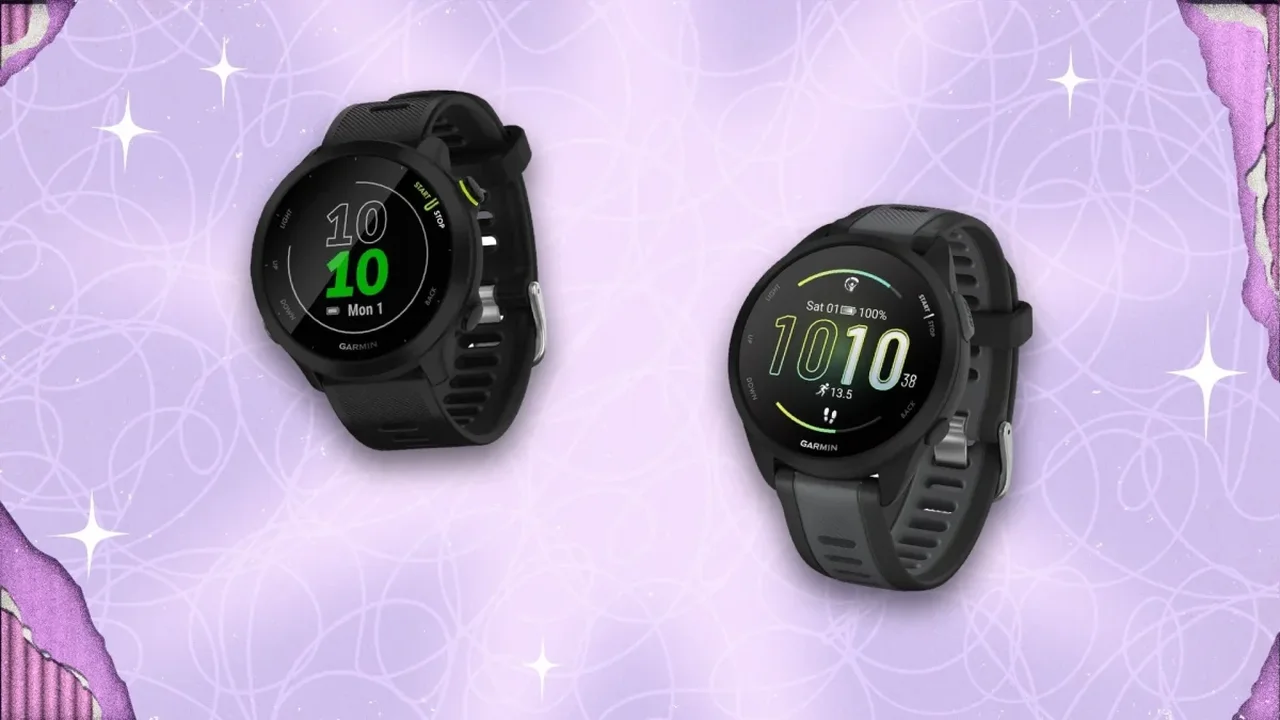
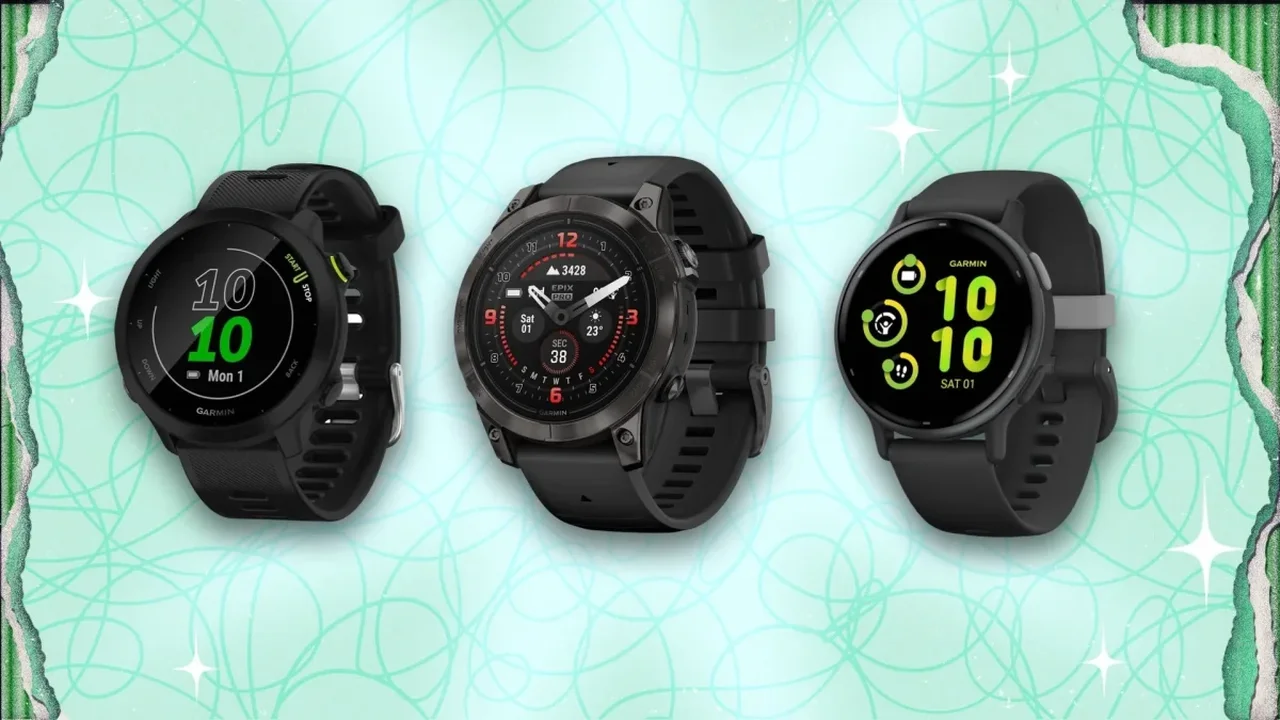
Larger watches can offer bigger screens that are easier to read at a glance, as well as more room for batteries and internal components. But some advanced models are sold only in larger sizes, limiting options for people with smaller wrists. Wrist sizes vary, so choosing by fit and comfort is more useful than relying on labels such as "small" or "large."
To check the fit, rest your arm on a surface and look down at the watch. If its lugs--the points where the band attaches--extend beyond the sides of your wrist, the case may be too large. A watch should sit securely on the wrist without bouncing or needing to be tightened uncomfortably.
If a larger screen or a particular feature matters more than wrist-based heart-rate precision, a compatible chest strap can provide another way to track heart rate during workouts. As wearable technology evolves, offering more size choices could help make both advanced features and reliable measurements accessible to more people.