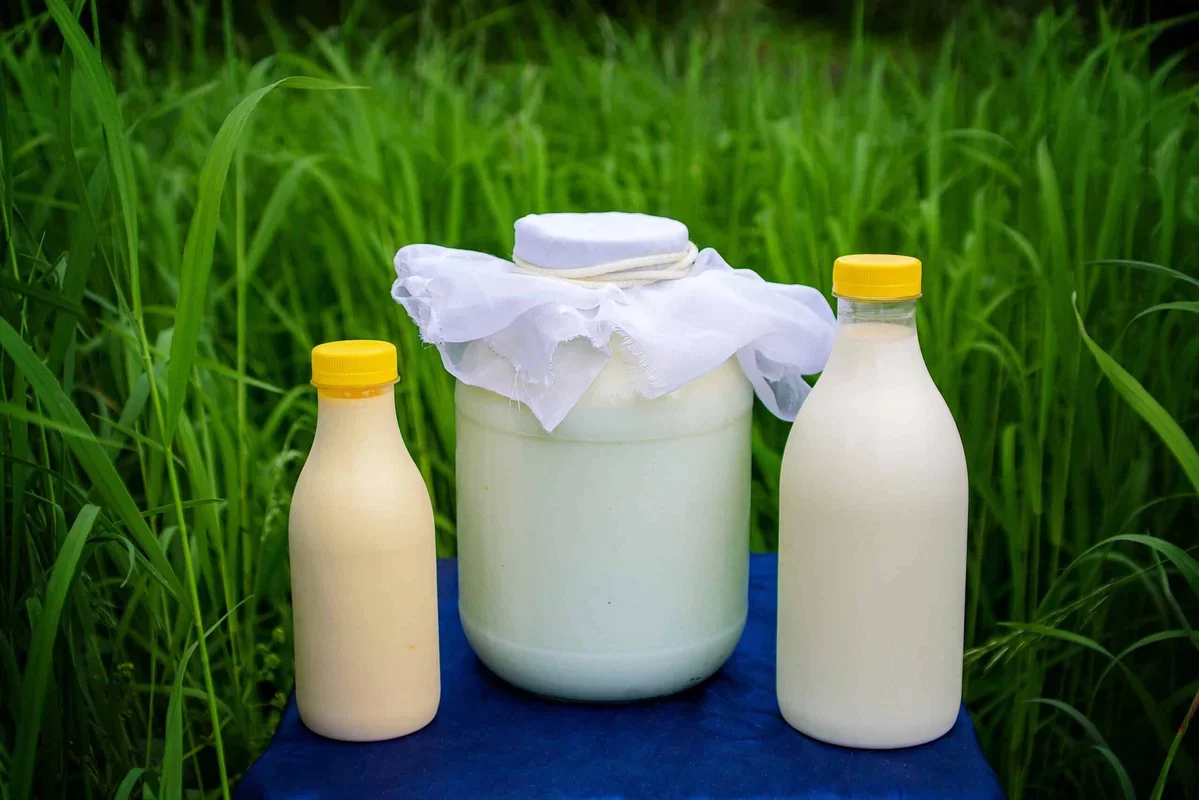
Recent reports from health authorities in New Mexico have highlighted the tragic case of a newborn who succumbed to a severe infection, likely contracted due to the mother's consumption of raw, unpasteurized milk during her pregnancy.
This incident serves as a reminder of the historical dangers associated with raw milk, a concern that was largely mitigated a century ago through the process of pasteurization. However, the resurgence of trendy wellness movements is reviving these risks.
Understanding the Risks of Raw Milk
The New Mexico Department of Health has warned that raw milk can harbor harmful pathogens, including Listeria, which can lead to serious complications such as miscarriage, stillbirth, or severe infections in newborns. Although the department could not link this specific case to a particular source, the evidence points towards milk as the likely cause.
Despite the established health risks associated with unpasteurized dairy products, there is a growing trend, fueled by high-profile endorsements, advocating for raw milk consumption. This movement raises concerns about public health, particularly for vulnerable populations.
Drinking raw milk is akin to a game of chance; while some may escape illness, others could face severe consequences. Healthy adults might recover from Listeria after a brief illness, but pregnant individuals have a heightened risk due to their altered immune systems, making them more susceptible to infections.
The implications can be dire, as infections can cross the placental barrier, posing significant risks to the fetus. The mother may experience mild symptoms, unaware of the critical danger to her unborn child, which can lead to devastating outcomes.
The Historical Context of Milk Safety
Before the advent of pasteurization, dairy products were responsible for a significant portion of foodborne illnesses in the United States. The pioneering work of Louis Pasteur in the early 20th century revolutionized milk safety by introducing a method to eliminate pathogens without compromising the milk's quality. Since then, dairy-related illnesses have drastically decreased.
However, there is a concerning trend where some individuals view pasteurization as an unnecessary processing step that detracts from the natural essence of milk. They advocate for raw milk as a healthier alternative, despite overwhelming evidence to the contrary.
Formerly an outspoken supporter of the raw milk movement, Kennedy continues to promote this viewpoint, framing FDA regulations as an infringement on personal choice. Yet, the reality remains that bacteria do not heed political ideologies; they thrive in environments that allow them to proliferate.
"New Mexico's dairy producers work hard to provide safe, wholesome products and pasteurization is a vital part of that process," stated Jeff M. Witte, New Mexico Secretary of Agriculture. "Consumers, particularly those at higher risk, are encouraged to choose pasteurized dairy products to reduce the risk of serious foodborne illness."