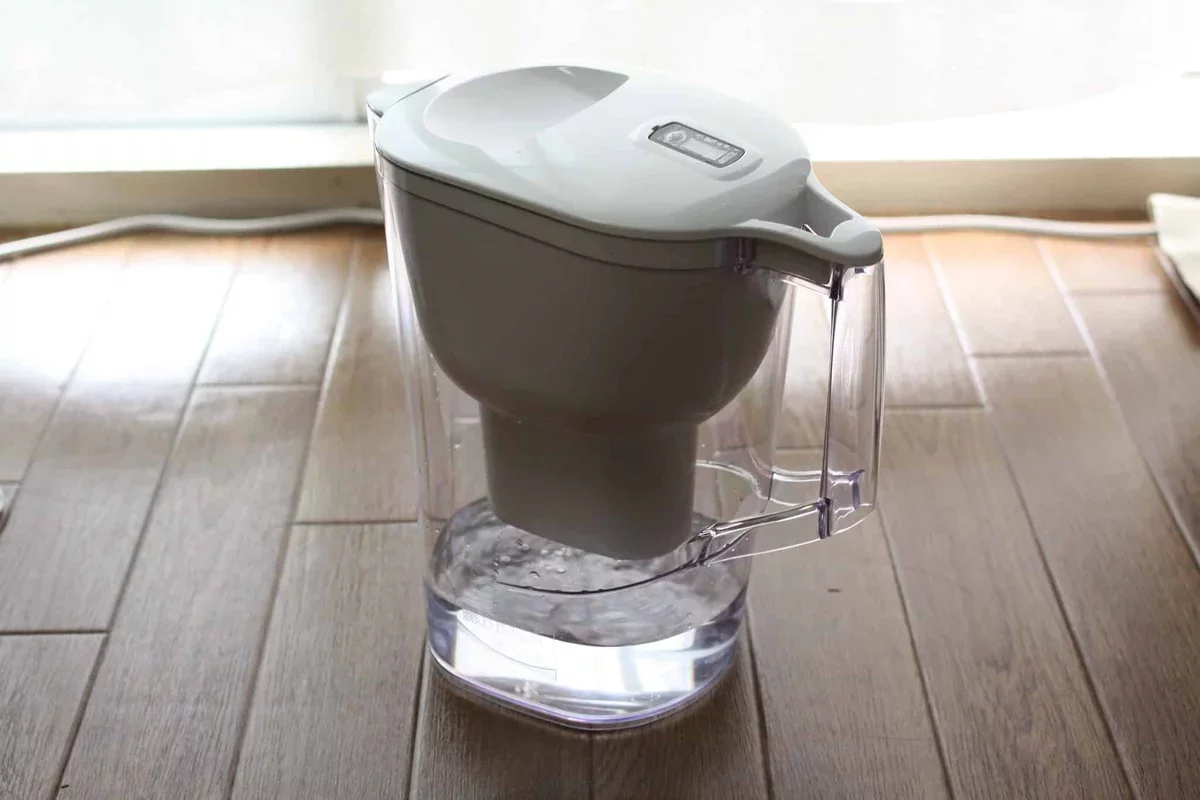
In many developed nations, the convenience of clean, treated water from kitchen taps represents a significant public health achievement. However, despite this achievement, numerous individuals remain skeptical about the quality of tap water. As a result, many turn to plastic jugs equipped with carbon cartridges and complex filtration systems.
Experts warn that neglecting to replace water filter cartridges can lead to unintended consequences. Marcus Rink, chief inspector at the Drinking Water Inspectorate, emphasizes that failing to change filters can transform them into "breeding grounds for bacteria." He reassures consumers that, contrary to some claims, tap water in Britain is generally safe to drink.
A Crisis of Confidence in Water Quality
Despite the high standards of drinking water in England and Wales, many still choose to filter it. Shima Chin-See, a resident of Northwich, expresses her preference for filtered water, stating, "It just tastes better." This sentiment is echoed by many, contributing to a global water purifier market valued at around $30 billion in 2022.
Concerns about municipal water quality stem from fears of outdated infrastructure and potential contaminants. While water providers in developed countries conduct regular testing, issues like lead pipes still pose risks. Chris Yates from The Water Professor points out that older homes may still have lead plumbing, which can lead to elevated lead levels in drinking water.
Addressing Modern Contaminants
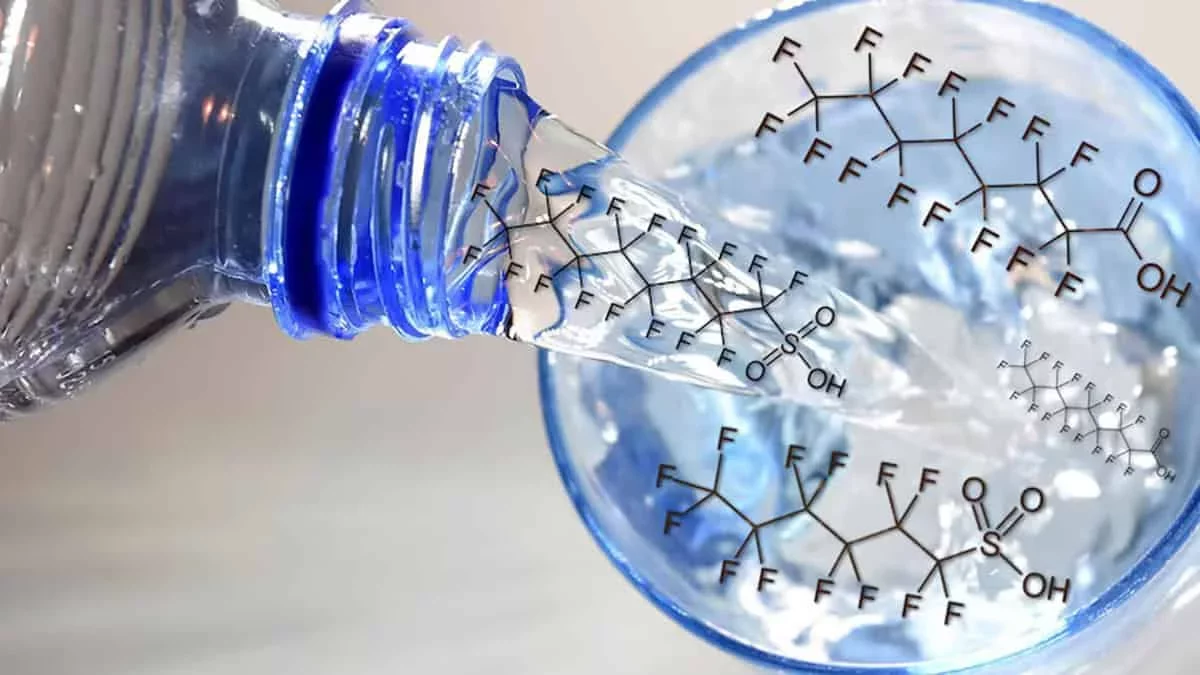
Another modern challenge is the presence of per- and polyfluoroalkyl substances (PFAS), often referred to as "forever chemicals." These substances, used in various products, do not break down and can accumulate in the environment. Research indicates that PFAS can have serious health implications, including links to liver damage and cancer.
Fortunately, many water filters are designed to effectively reduce PFAS levels. Kyle Postmus from the National Sanitation Foundation notes that certified filters can address these modern contaminants, providing reassurance to consumers.
The Risks of Neglecting Your Filter
However, the convenience of filtration can turn problematic if users fail to maintain their systems. Activated carbon filters, when left unchanged, can become ineffective or even harmful. Vanessa Speight from the University of Sheffield explains that once the carbon's pores fill up, contaminants can re-enter the water supply, potentially leading to worse water quality than before.
Moreover, a moist environment within neglected filters can foster bacterial growth. A study in Singapore found that filtered water often harbored higher bacteria counts compared to tap water, especially when filters were not replaced as recommended.
Ultimately, the decision to use a water filter depends on individual circumstances. For those living in older homes or areas with questionable water quality, investing in a filter may be wise. However, it is crucial to choose the right filter for specific needs and to adhere to maintenance schedules.
As we continue to navigate the evolving landscape of water quality and safety, understanding the importance of proper filtration and maintenance will be vital in ensuring access to clean drinking water for all.