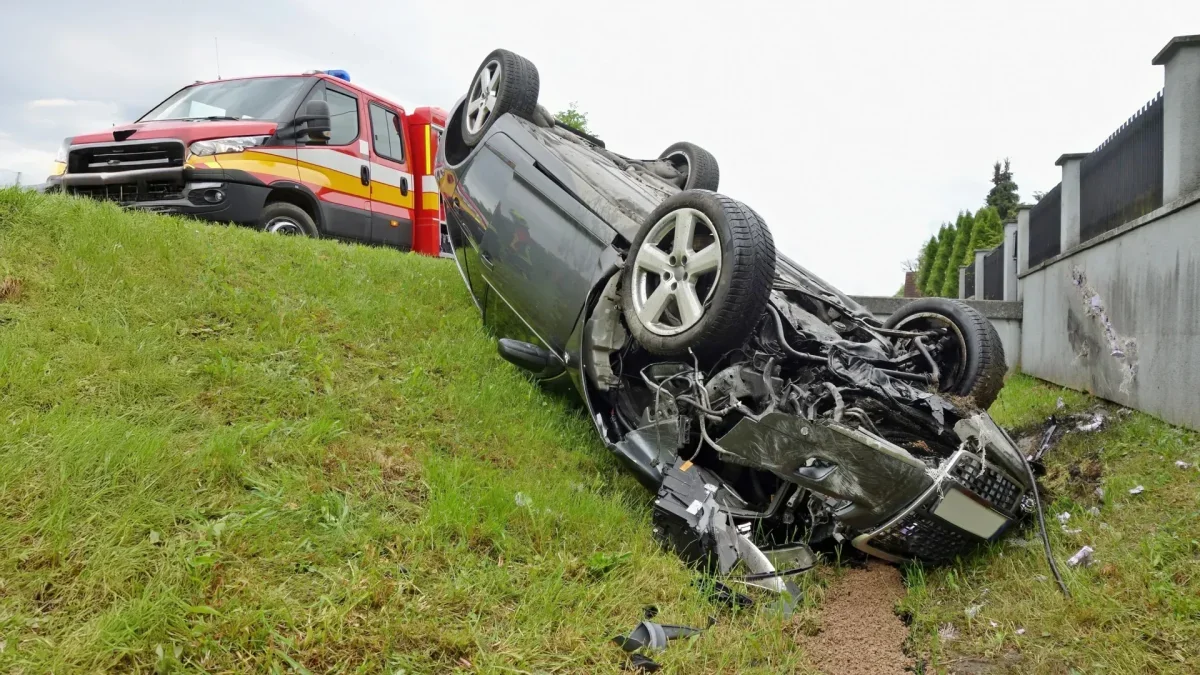
Recent research published in JAMA Network highlights significant concerns regarding the combination of cannabis and alcohol. The study indicates a pressing need for enhanced public awareness and improved methods for identifying impaired drivers.
Researchers argue that the current legal threshold for alcohol intoxication in most U.S. states (0.08% breath alcohol level, or BrAC) may not adequately capture the impairment effects when alcohol is consumed alongside cannabis.
Lead author Austin Zamarripa, Ph.D., an assistant professor at Johns Hopkins University School of Medicine, states, "Our findings reveal that the simultaneous use of cannabis and alcohol leads to substantially greater driving impairment and perceived intoxication compared to either substance alone." This suggests a synergistic effect, raising vital concerns about real-world driving safety.
Exploring the Effects of Cannabis Edibles and Alcohol
To better understand the impact of cannabis edibles combined with alcohol on driving ability, researchers conducted a meticulously controlled study with healthy adults aged 21 to 55.
Participants attended several outpatient sessions where they consumed either a cannabis brownie containing THC (10 or 25mg) or a placebo, along with an alcoholic beverage or a placebo drink. The alcohol dosage was tailored to achieve breath alcohol concentrations of either 0.05% or 0.08%.
A total of thirty volunteers participated, with 25 completing all sessions. The participants had prior experience with both substances and reported binge drinking within the last 90 days. To mitigate cannabis tolerance effects, they used cannabis infrequently, less than three times a week, while still having consumed it at least once in the past year.
Participants underwent rigorous medical and psychiatric evaluations, physical exams, blood tests, and urine drug screenings to confirm their health status and ensure no recent use of illicit drugs.
Driving Simulations and Impairment Assessments
Before the study sessions, participants familiarized themselves with the driving simulator and performance assessments to reduce learning biases. Each participant underwent seven experimental sessions where they consumed cannabis, alcohol, both, or placebos in a carefully balanced order.
Baseline testing included simulated driving tasks, field sobriety assessments, cognitive evaluations, subjective drug effect questionnaires, and blood samples to measure THC levels.
One hour post-breakfast, participants ingested either the cannabis brownie or placebo, followed by their beverage 45 minutes later. Driving and impairment assessments were repeated throughout the day, up to 7.5 hours after consumption, with sessions spaced at least one week apart.
Severe Impairment Often Overlooked
The findings revealed that combining cannabis edibles with alcohol resulted in more pronounced and prolonged driving impairment than either substance alone. Participants reported heightened feelings of intoxication when both were consumed together.
Despite these significant effects, standard sobriety tests primarily detected substantial intoxication only at the highest alcohol level (0.08% BrAC), often failing to recognize cannabis-related impairment.
Principal investigator Tory Spindle, Ph.D., emphasized the study's relevance, stating, "As the use of cannabis edibles alongside alcohol becomes more common, understanding their combined effects on driving is crucial." The study underscores the need for further research to develop reliable methods for detecting cannabis-related impairment.
Future Implications for Public Safety
As cannabis legalization progresses and edible products gain popularity, the risks associated with their combination with alcohol warrant increased attention from health officials and policymakers. Continued research is essential to enhance detection methods and ensure road safety.