In recent discussions, the prospect of utilizing artificial intelligence in space has gained significant attention, particularly from industry leaders like Elon Musk. His vision revolves around the creation of solar-powered orbital data centers, potentially spread across a million satellites, capable of harnessing up to 100 GW of computing power beyond Earth.
During a recent podcast, Musk emphasized that within the next three years, placing AI in space could become the most economically viable option. This sentiment is echoed by other tech innovators, including those from xAI and Google, who are also exploring similar initiatives.
However, the road to establishing these orbital data centers is fraught with challenges. Current terrestrial data centers are still more cost-effective compared to their potential orbital counterparts. An analysis by space engineer Andrew McCalip indicates that setting up a 1 GW data center in space could cost approximately $42.4 billion, significantly higher than ground-based facilities.
Experts suggest that overcoming these financial hurdles will necessitate advancements in technology, substantial investment, and improvements in the supply chain for space-grade components. As demand increases, the costs associated with terrestrial operations may also rise, potentially altering the economic landscape.
One critical factor influencing the feasibility of space data centers is the cost of launching satellites. While Musk's SpaceX is reducing launch costs, further reductions are essential to make these projects economically viable. Currently, the Falcon 9 rocket incurs costs of around $3,600 per kilogram to reach orbit, but for these data centers to succeed, prices must drop to about $200 per kilogram.
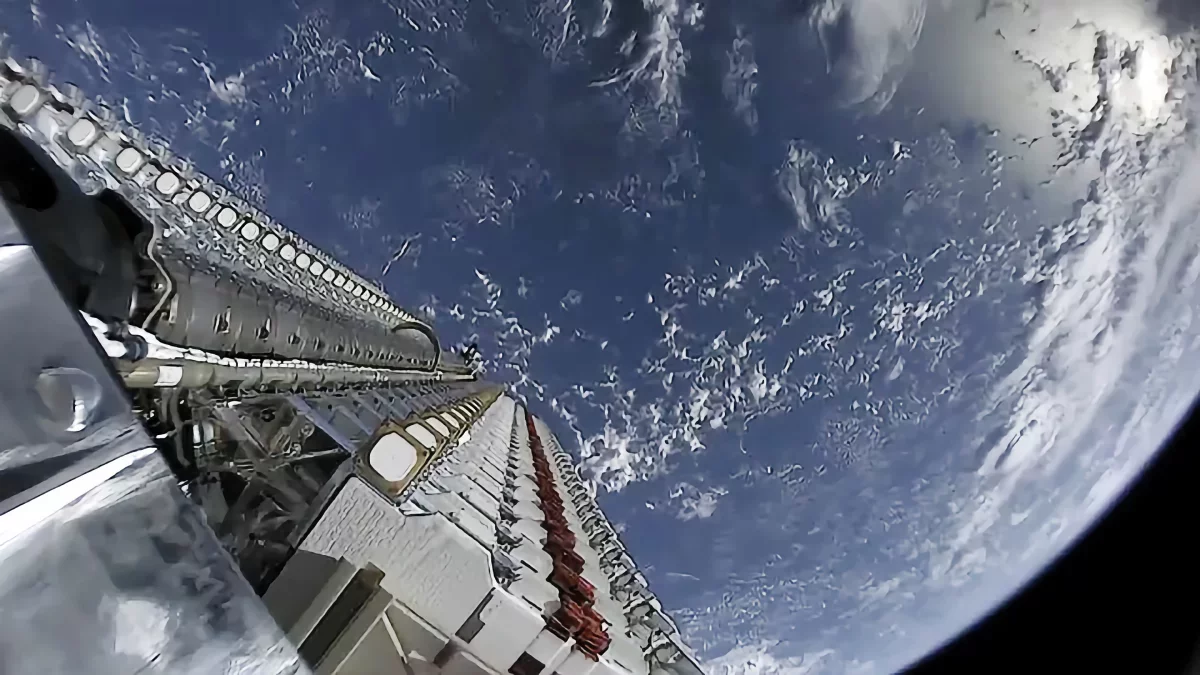
Additionally, the manufacturing costs of satellites pose another challenge. Though SpaceX has made strides in reducing these costs through its Starlink project, high-powered satellites still face significant expenses. Creating a million satellites for this purpose would ideally leverage mass production to drive down costs.
Moreover, the space environment presents unique obstacles, including thermal management and cosmic radiation. Contrary to popular belief, managing heat in space is complex, requiring large radiators. Furthermore, satellites must be designed to withstand radiation, which can degrade components over time.
Despite these challenges, some industry analysts remain optimistic about the potential for orbital data centers to revolutionize computing. As technology progresses, the dream of harnessing AI in space could become a reality, paving the way for new applications and efficiencies in data processing.