The U.S. National Highway Traffic Safety Administration (NHTSA) has officially closed its investigation into Tesla's remote parking feature, dubbed "Actually Smart Summon." The decision comes after the agency determined that incidents involving the feature were infrequent, typically occurring at low speeds and resulting in minor damages.
In its latest update, NHTSA clarified that the conclusion of the investigation does not imply that a safety defect has been ruled out, and the agency retains the option to reopen the case if necessary.
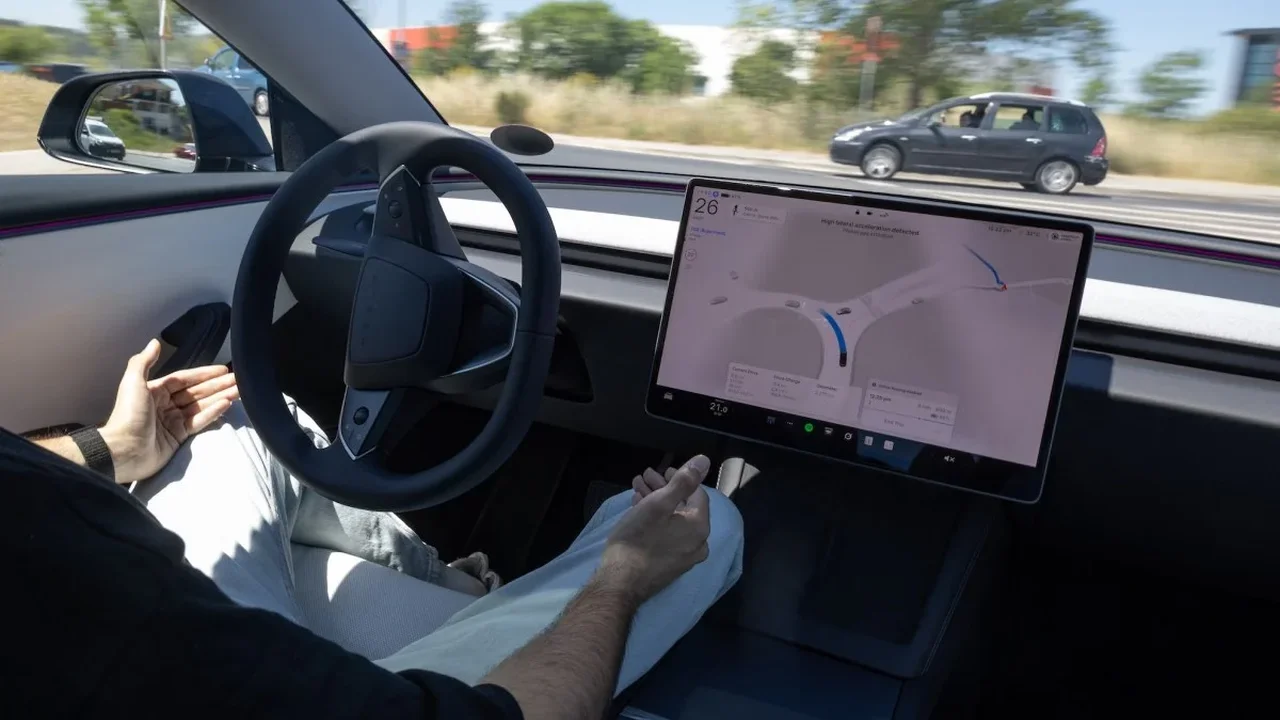
Launched in September 2024, the remote parking capability enables Tesla owners to summon their vehicles to them using the Tesla app, relying solely on the car's cameras for navigation. This innovation marked a significant shift from the previous Smart Summon version, which utilized ultrasonic sensors that are no longer present in newer Tesla models.
The inquiry was initiated in January 2025, following reports of multiple crashes linked to the "Actually Smart Summon" feature. The investigation revealed that only a minuscule fraction of the millions of Summon sessions resulted in incidents, most of which involved minor property damage, such as collisions with gates, parked cars, or bollards.
Importantly, the report indicated that there were no serious injuries, fatalities, or significant property damage associated with the feature, as evidenced by the absence of airbag deployments or vehicle towing.
NHTSA found that the challenges often stemmed from either user error or limitations in the app's environmental awareness, particularly in conditions of poor visibility. In some cases, snow obstructed the cameras, preventing the system from detecting obstacles effectively.
In response to these findings, Tesla has rolled out several software updates designed to enhance the detection of camera obstructions and improve object recognition capabilities.
This development not only reinforces Tesla's commitment to safety but also highlights the potential for advanced technologies in enhancing vehicle automation. As we look to the future, innovations like these could pave the way for safer and more efficient transportation solutions.