Physical AI is drawing major investment as companies race to adapt the breakthroughs behind large language models to robotics. Yet the sector is now facing a clear turning point: hardware is improving quickly, but the software still struggles to deliver consistent real-world value.
That tension was on display at the Actuate conference, where attendance has tripled since 2023 and reached 1,500 participants. The event reflected both the momentum and the challenge in robotics: developers are building new AI "brains" for machines, while also confronting a shortage of high-quality training data.
Industry players increasingly describe this as a data crisis. General-purpose robots remain a long-term goal, and task-specific systems are proving more practical for now. Companies are focusing on better datasets, stronger simulation environments, and improved reinforcement learning methods to make robots more capable in defined settings.
Several founders compare the current moment in physical AI to the GPT-2 era in language models, when progress was visible but the breakthrough moment had not yet arrived. In this view, more compute, richer simulations, and specialized GPUs will be essential to move the field forward.
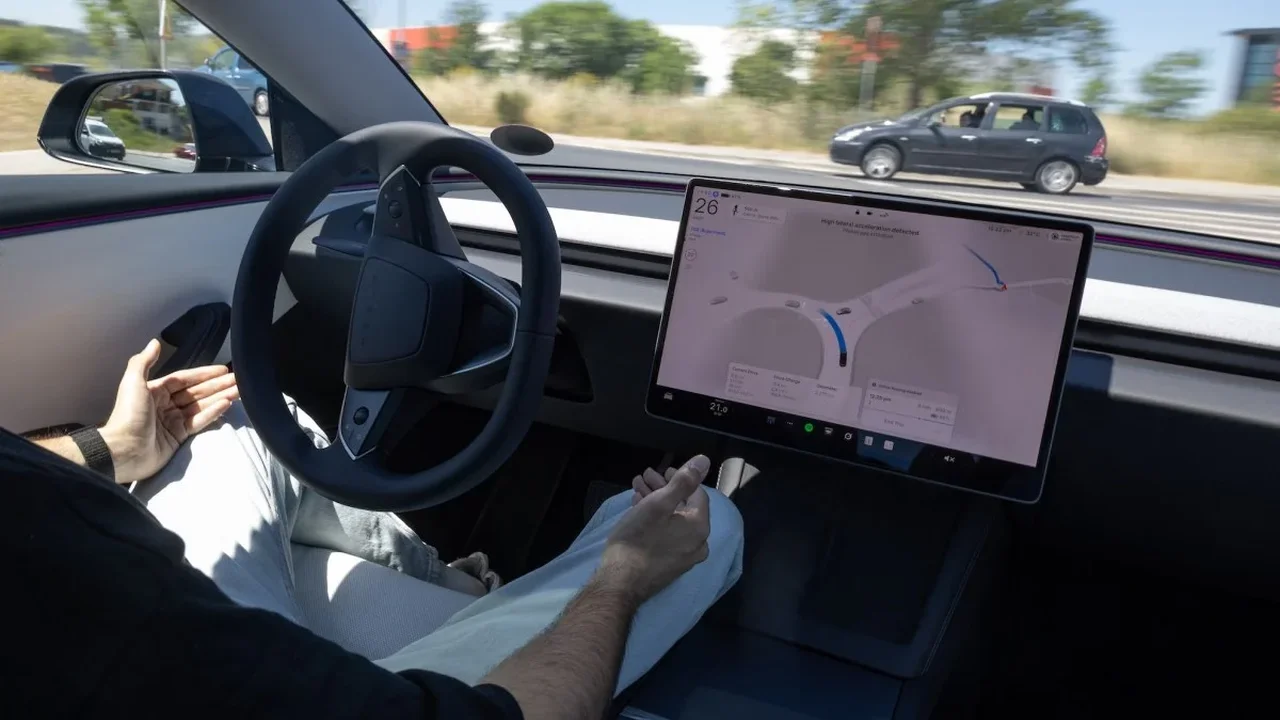
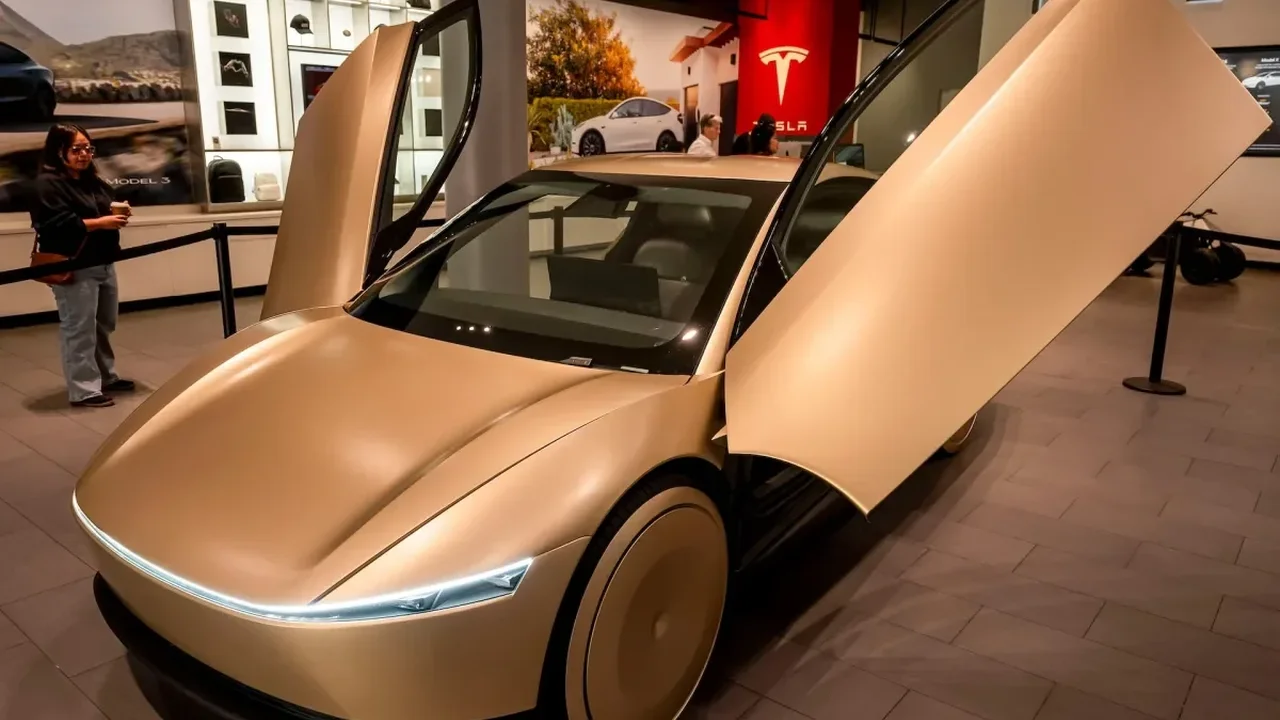
Autonomous vehicles remain one of the most advanced areas because they can learn from large volumes of driving data and focus on navigation rather than complex manipulation. That experience is now influencing robotics labs at companies such as Tesla, Wayve, and Uber, which are exploring humanoid form factors and shared AI infrastructure.
At the same time, some leaders argue that success will come from combining hardware and software design from the start. Others believe the winning path is vertical focus: robots that solve specific jobs in construction, industry, or energy can generate real deployment data and practical value faster than broad, general-purpose systems.
New tools are also emerging to help engineers manage dense visual and lidar datasets, speeding up testing, debugging, and simulation. For many in the field, the real milestone will be a robot that can understand natural language and complete everyday physical tasks with reliable accuracy.
As physical AI matures, the next breakthrough may come not from a single viral moment, but from steady progress toward useful robots that fit naturally into daily life and work.