The U.S. Supreme Court has issued a significant ruling that reshapes how geofence warrants can be used, reinforcing privacy protections around cellphone location data.
In a 6-3 decision, the Court said people have a reasonable expectation of privacy in the location information collected by their phones. That means law enforcement must now obtain a search warrant before requesting historical location data from companies such as Google.
The ruling centers on the idea that users do not intentionally hand over their location history simply by using digital services. As a result, the Court found that this kind of data deserves stronger constitutional protection under the Fourth Amendment.
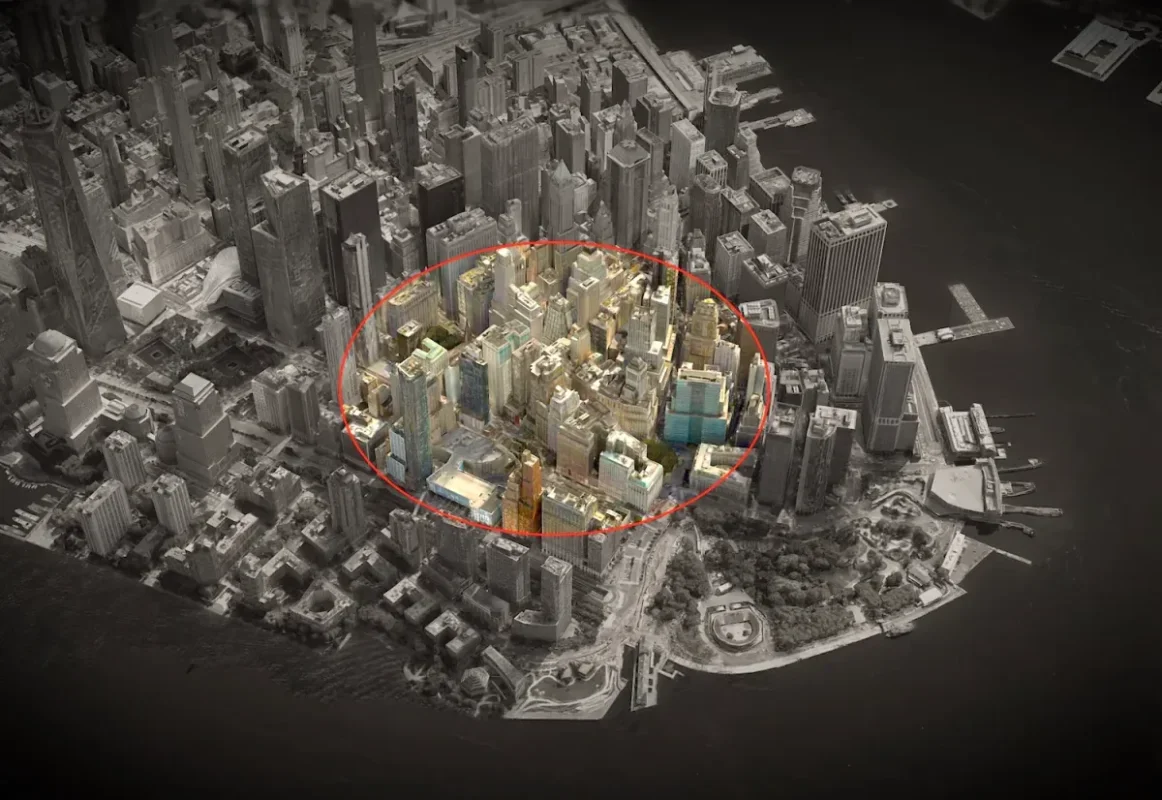
Geofence warrants have allowed investigators to draw a digital perimeter on a map and ask tech companies to identify devices that were present in that area at a specific time. Critics have long argued that the method can sweep up data from many people who are not connected to an investigation.
The Court did not ban geofence warrants entirely. Instead, it said authorities must narrow their requests and show probable cause when seeking this kind of information. The case, Chatrie v. United States, now returns to the appeals court for further review.
The decision may influence how companies store and manage location data, as well as how investigators approach digital evidence in the future. It also adds momentum to the broader conversation about privacy in an increasingly connected world.
This ruling could help define a new balance between digital innovation, public safety, and personal privacy in the years ahead.