Google's SynthID system has delivered a notable result by helping identify a widely shared image that appeared to show Kentucky Senator Mitch McConnell in a hospital bed. The picture spread quickly across social platforms before being flagged as synthetic.
Fact-checkers confirmed that the image carried the invisible watermark used by Google to mark AI-generated visuals. Because SynthID is embedded directly into the file, it can still be detected even after screenshots and reposts, making it a practical tool for digital verification.
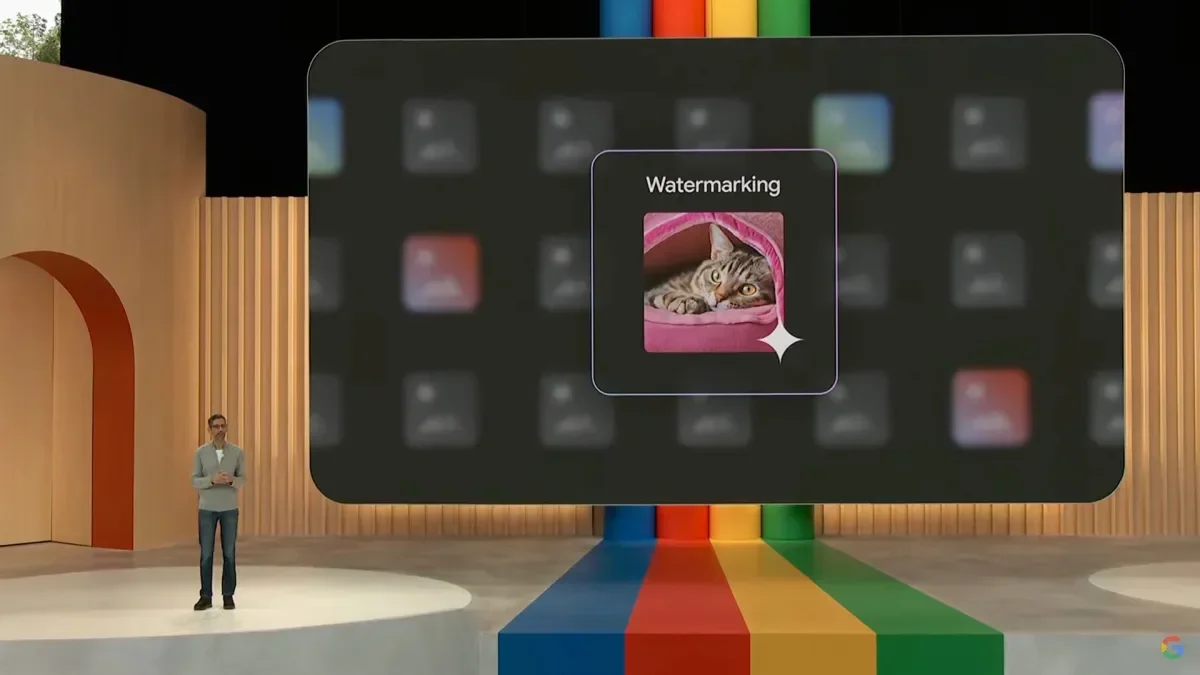
Introduced at Google I/O in 2025, SynthID was designed to support transparency in generative media. The system is built to work quietly in the background, remaining unnoticed by viewers while giving compatible models a way to identify AI-created content.
The program has expanded over time: Google's Gemini models have included the watermark since launch, and OpenAI joined the effort in 2026 with tools aimed at checking whether an image was produced by its models. Users can verify images through Gemini or OpenAI's public verification system.
As AI-generated visuals become more realistic and more common, tools like SynthID may help set a new standard for digital trust and content authenticity in the years ahead.