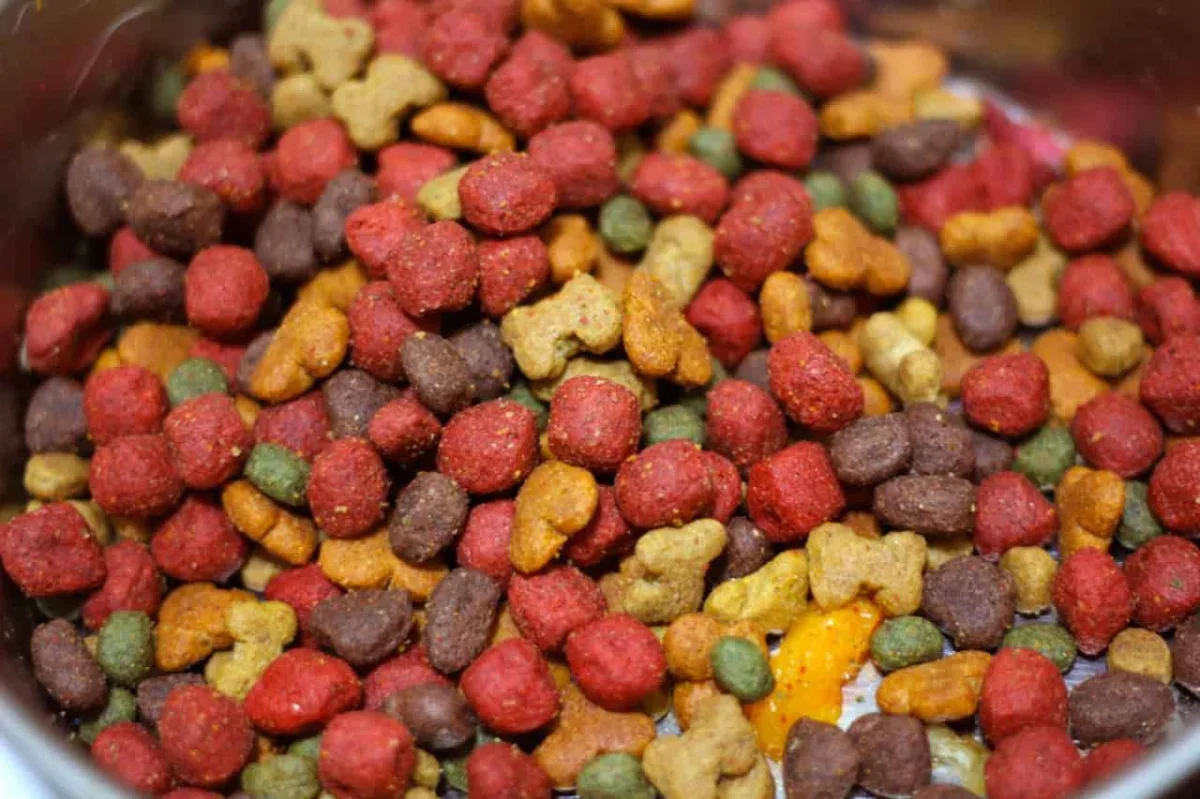
A new study suggests that microplastics may be entering pet food more often than expected. Researchers examining products sold in the United Kingdom found plastic particles in the majority of brands tested, covering food for cats, dogs and hedgehogs.
What the study examined
Scientists from the University of Sussex and the University of Exeter analyzed 38 products in total: 14 cat foods, 16 dog foods and eight hedgehog foods. To improve reliability, they tested six units of each product from different batches, creating 228 one-gram samples.
The team used chemical breakdown and infrared spectroscopy to identify particles smaller than 5 millimeters, the standard definition of microplastics. In the results, 95 particles were confirmed, with about 28% of samples showing contamination. Overall, 76% of products and 84% of the 19 brands contained microplastics in at least one sample.
Patterns in the findings
According to the researchers, lower-cost foods showed more plastic-positive samples than premium products. Dry food contained more particles per gram than wet food, though wet food could still lead to higher daily intake because animals often need larger portions.
The most common polymer detected was polyester, followed by polyacrylamide, polyethylene and polypropylene. Among chicken-based products, 90% had at least one positive sample. The study could not pinpoint a single source, but ingredients, packaging and processing all remain possible entry points.
The researchers also noted that microplastics may move beyond the bowl and into soil through animal waste, creating a wider environmental pathway. The findings do not prove that commercial pet food is unsafe, but they do highlight how deeply plastic fragments can travel through modern food systems.
Published in Environmental Toxicology and Chemistry, the study adds to growing evidence that microplastics are present across everyday life. In the future, this line of research could help shape cleaner production standards and more resilient pet nutrition systems.