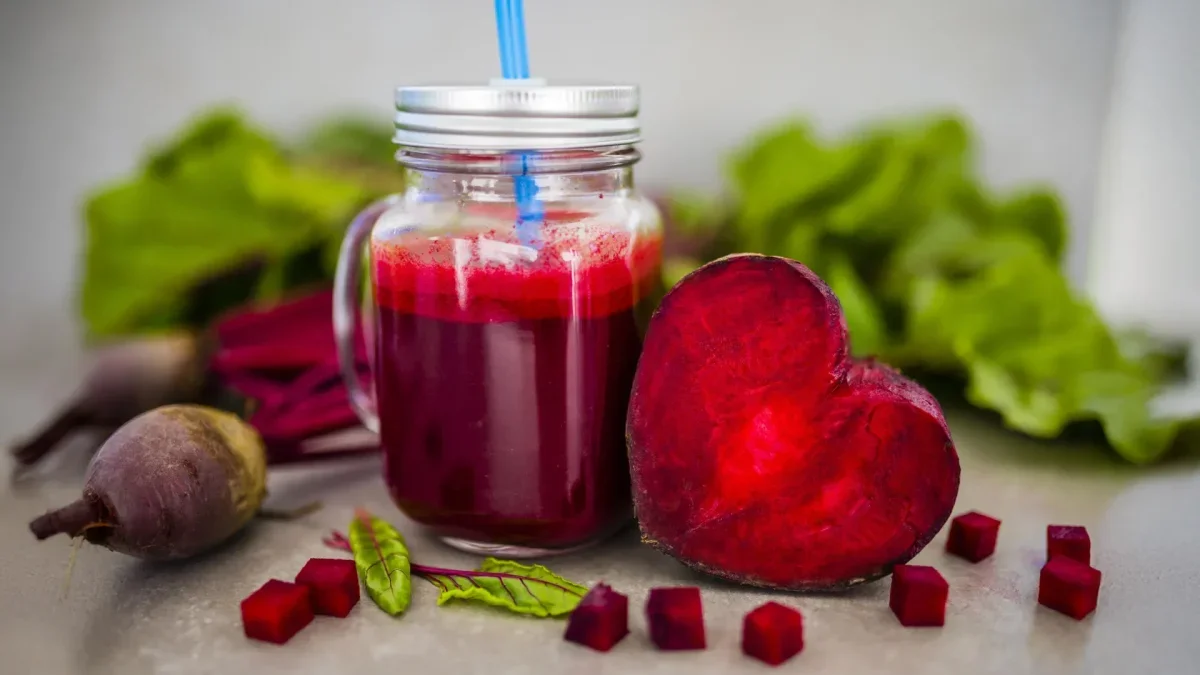
Recent research from the University of Exeter has unveiled that older adults consuming nitrate-rich beetroot juice twice daily for a fortnight experienced a significant reduction in blood pressure. Interestingly, younger adults did not exhibit the same benefits, despite changes in their oral microbiome.
The study, published in Free Radical Biology and Medicine, stands as the largest investigation into how dietary nitrate influences oral bacteria, nitric oxide production, and vascular responses across different age groups.
The Importance of Oral Health
Nitrate, a natural compound found in various vegetables, plays a crucial role in bodily functions. While beetroot is particularly high in nitrate, alternatives such as spinach, arugula, fennel, celery, and kale also provide substantial amounts.
The transformation occurs before nitrate enters the bloodstream. Specific bacteria in the mouth convert dietary nitrate into compounds that facilitate the production of nitric oxide, which is essential for relaxing blood vessels and maintaining healthy blood pressure.
A disruption in the balance of oral bacteria can hinder this conversion process. The Exeter team observed that beetroot juice positively altered the oral microbiome in older adults, enhancing the efficiency of this pathway.
A Two-Week Study on Beetroot Juice
The trial involved 39 participants under 30 and 36 older adults in their 60s and 70s, recruited through the NIHR Exeter Clinical Research Facility, with support from the Exeter Clinical Trials Unit and funding from a BBSRC Industrial Partnership Award.
Participants underwent two distinct two-week phases, one involving regular doses of nitrate-rich beetroot juice and the other a placebo version devoid of nitrate. A two-week washout period allowed researchers to reset conditions between phases.
Using bacterial gene sequencing, the team analyzed the microbial composition in participants' mouths before and after each phase.
Distinct Responses in Older Adults
Significant changes in the oral microbiome were observed in both age groups after consuming nitrate-rich beetroot juice, but the nature of these changes differed. In older adults, the juice was linked to a marked decrease in Prevotella bacteria, considered potentially harmful, while beneficial bacteria like Neisseria increased.
Starting with higher average blood pressure, older adults experienced a notable drop following the beetroot juice phase, a benefit not seen after the placebo or in younger participants.
The Role of Nitric Oxide
The findings suggest that beetroot juice may be particularly beneficial for older adults, who typically produce less nitric oxide as they age, a factor that can impact vascular health.
Professor Anni Vanhatalo from the University of Exeter emphasized the health benefits of a nitrate-rich diet for older individuals, indicating that increasing their intake of nitrate-rich vegetables could yield substantial long-term health advantages.
A Future of Personalized Nutrition
The results advocate for larger studies to explore how lifestyle factors, biological sex, and individual microbiomes influence responses to dietary nitrate. This research highlights the intricate relationship between diet, oral health, and aging, suggesting that enhancing vascular health may begin in the mouth.
Ultimately, this study opens up exciting avenues for improving cardiovascular health through nutrition, indicating a potential shift toward more personalized dietary strategies for healthy aging.