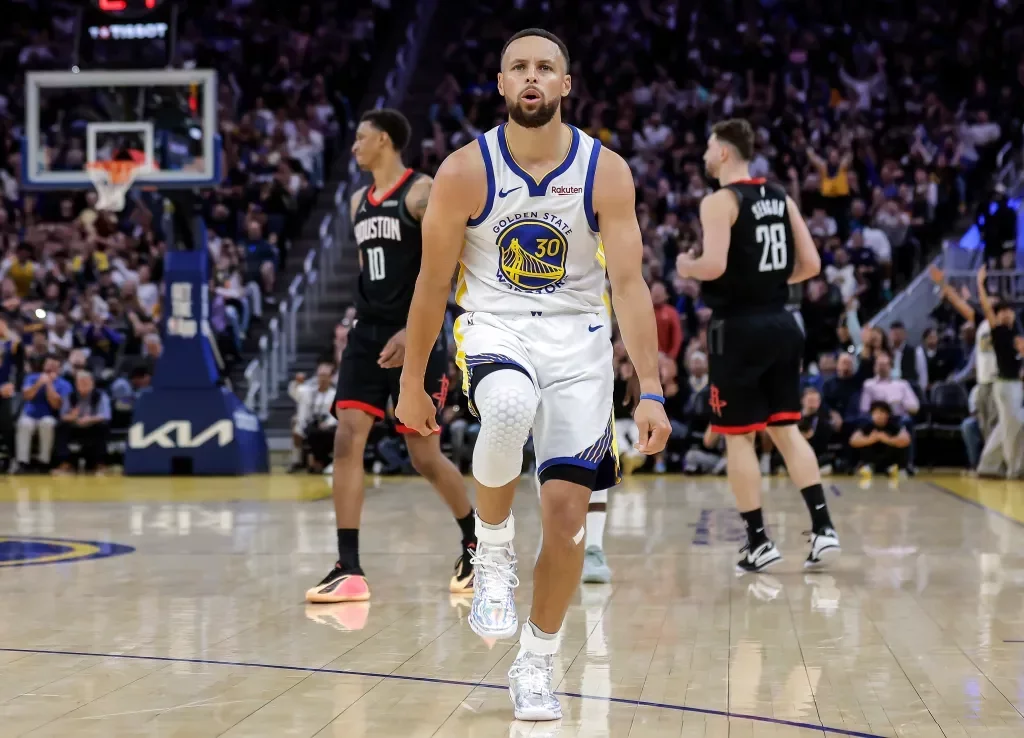
Stephen Curry's success has long been built on reading the court in fractions of a second. Yet the NBA star says he once spent years adapting to a vision issue he did not fully recognize.
About eight years ago, Curry was diagnosed with keratoconus, a progressive eye condition that can lead to blurred or distorted vision. The condition often appears in adolescence or early adulthood, and changes in prescription, persistent squinting or visual distortion can be important signals to discuss with an eye care professional.
A New Perspective on Vision
Curry says a friend first noticed that he was frequently squinting during games and encouraged him to book an eye exam. Until then, he had adjusted to the limitations of his sight without realizing how much clearer his vision could become with proper care.
After receiving a diagnosis and appropriate correction, Curry says everyday details became newly visible. The experience also reshaped how he thinks about performance, recovery and long-term health.
Now working to build awareness around eye health, Curry encourages people to make comprehensive exams part of their regular wellness routines. His message is especially relevant for young athletes, who may normalize visual changes while focusing on training and competition.
Performance Begins With Awareness
As Curry continues his professional career, he has expanded his definition of preparation. Rather than relying only on demanding training sessions, his approach includes data-informed workouts, sleep, recovery, nutrition and regular monitoring of his health.
He describes this method as doing "little bits more often": a sustainable routine designed to support consistency instead of pushing the body through occasional extremes. In that equation, vision has become as important as physical conditioning.
Curry's keratoconus is currently stable, and he receives eye examinations every six months. He is also bringing the conversation to younger audiences through Eye on the Ball, a children's book inspired by his experience.
His story highlights a simple idea: people can adapt remarkably well to gradual changes, but awareness creates the opportunity to act. As preventive health becomes more integrated into everyday life, regular eye care could help more people protect both their well-being and their potential.