The Metropolitan Museum of Art has expanded its collection of modern Chinese art with the acquisition of 38 works by Chang Dai-chien, one of the most influential painters of the 20th century.
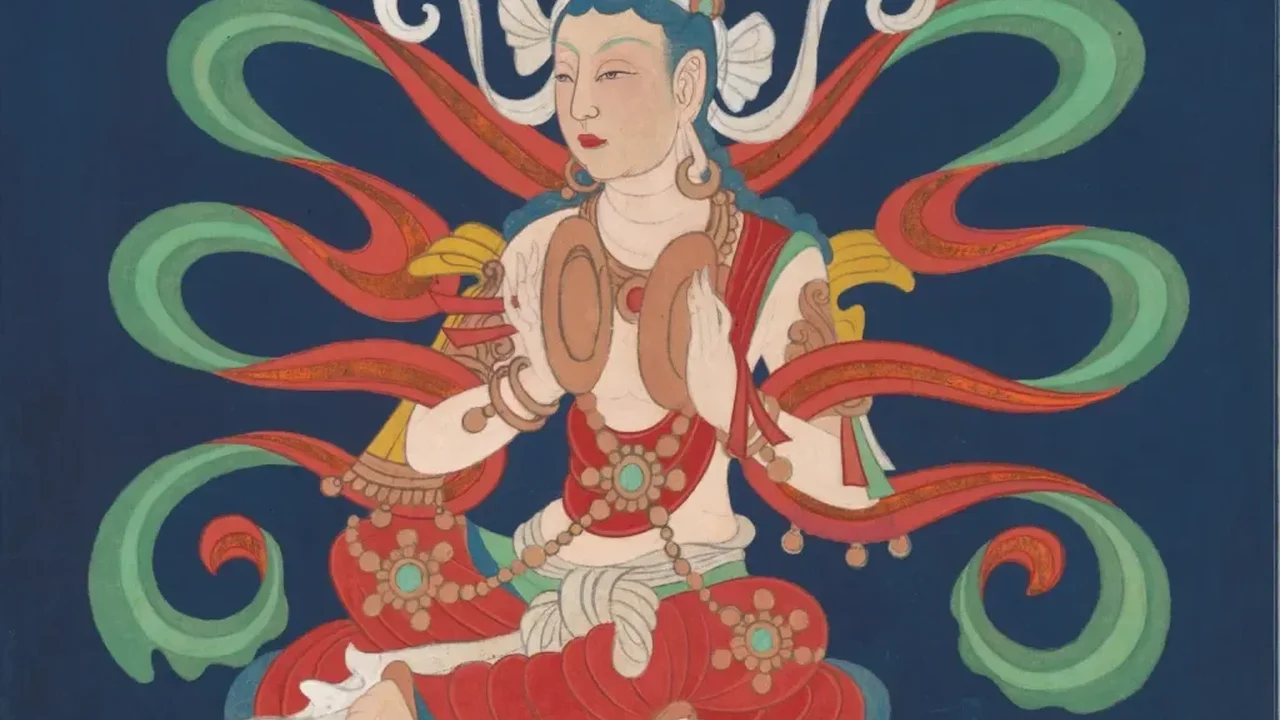
The group traces the artist's wide-ranging practice, from works shaped by his studies at Dunhuang in the 1940s to the bold, atmospheric abstractions that defined his later decades. The acquisition includes landscapes, figure studies, still lifes, mural-inspired compositions and a 1951 self-portrait created in Hong Kong.
A Bridge Between Tradition and Experiment
Chang Dai-chien developed a visual language rooted in classical Chinese ink painting while embracing an international outlook through his travels across Asia and later years in California. His work moved fluently between meticulous brushwork and the fluid, expressive forms of his celebrated splashed-ink style.
Among the newly acquired works are Approach of the Storm from 1967, Swiss Landscape from 1966, Splashed Ink Landscape from 1968, and studies connected to the Buddhist cave temples of Dunhuang. Together, they reveal the breadth of an artist who continually reinterpreted historic techniques for a changing modern world.
The acquisition was made through a combination of a gift and purchase from the artist's daughter, Sing Sheng Chang, with support from museum patrons. A selection of the works is scheduled to go on view later this year, while a larger presentation focused on 20th-century Chinese ink painting is planned for 2028.
By bringing this substantial group into public stewardship, the Met creates new opportunities to explore how Chang Dai-chien's ideas connected Chinese artistic heritage with global modernism. The collection may help inspire future conversations about ink painting as a living, evolving language across cultures.