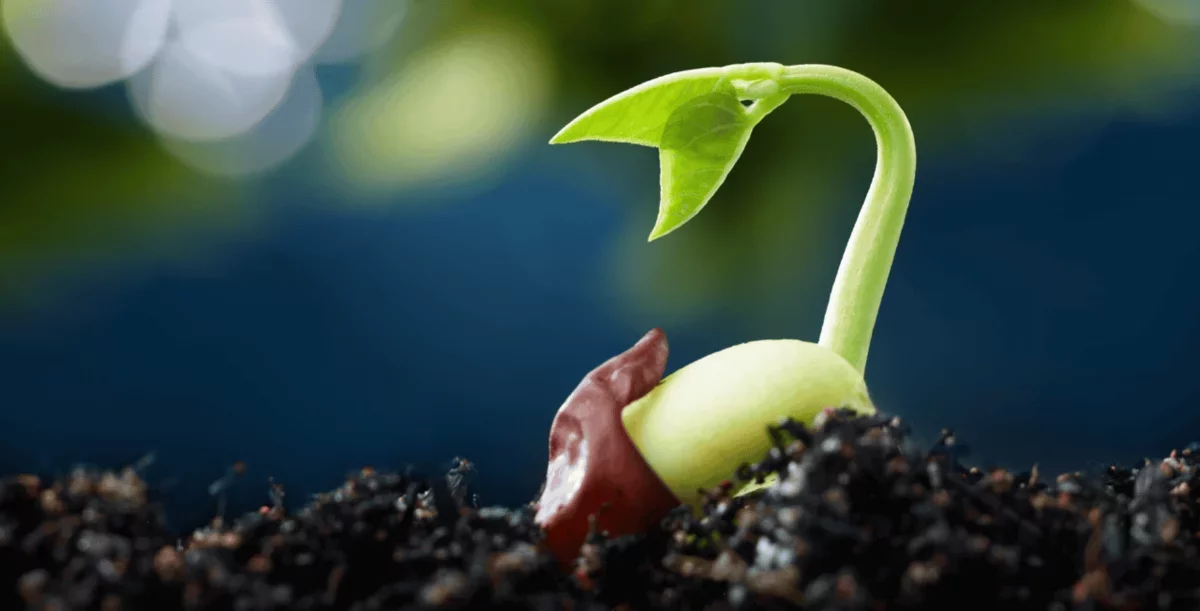
Traditionally viewed as passive entities, seeds are now understood to actively respond to their environment, particularly through sound. Recent research from MIT reveals that the sound of raindrops hitting the ground serves as a catalyst for seed germination, prompting them to sprout up to 40% faster than their silent counterparts.
The study, led by Professor Nicholas Makris and former researcher Cadine Navarro, highlights how acoustic vibrations from raindrops stimulate microscopic gravity sensors within the seed's cells, initiating a rapid awakening process. This discovery unveils a fascinating acoustic aspect of plant biology, indicating that seeds listen for rainfall to determine the optimal moment to emerge from the soil.
Eavesdropping on Nature
Plants are adept at monitoring their surroundings for survival, tracking sunlight and gravity, and reacting to harmful chemicals. Biologists have long known about the role of statoliths--tiny organelles that help seeds detect gravity. However, the MIT team explored whether natural forces, like rain, could also influence growth.
Makris revisited earlier studies measuring the sound of rain underwater, noting that it produces significantly greater sound pressure than in the air. When raindrops hit puddles, the resulting underwater sound pressures can reach hundreds of Pascals, providing a strong stimulus for nearby seeds.
Simulating Rain for Research
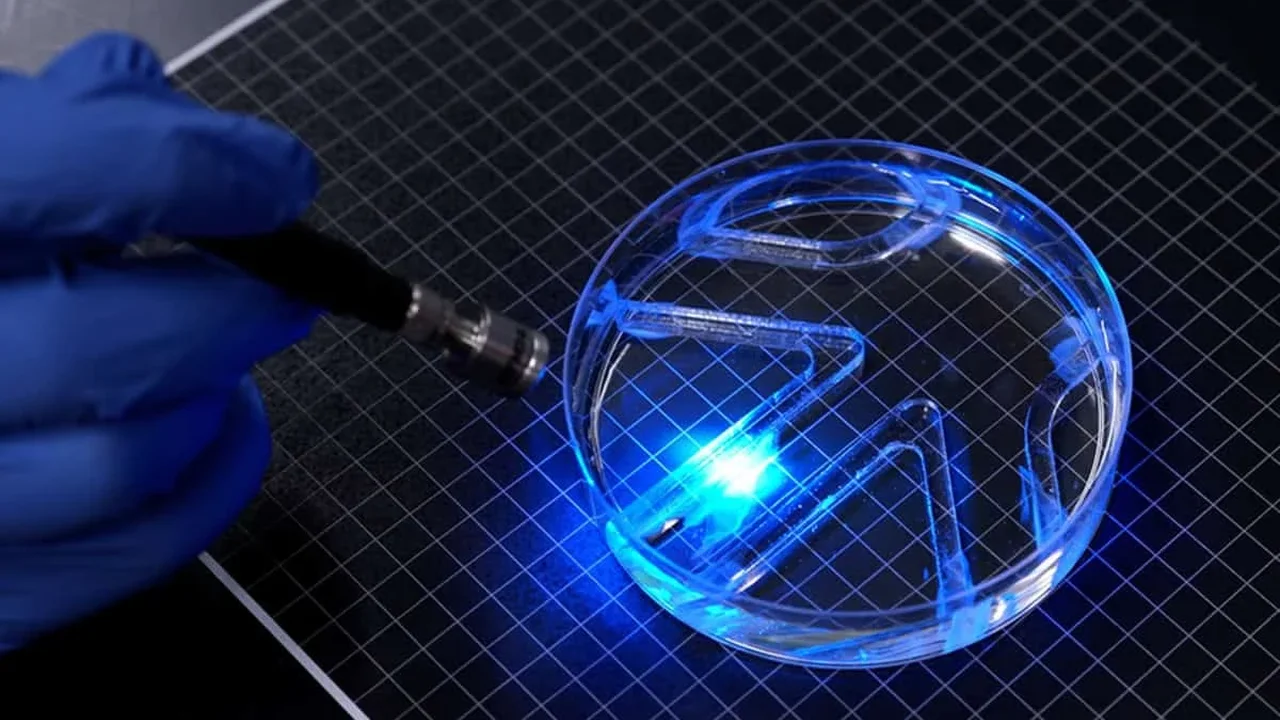
To investigate this phenomenon, the research team focused on rice seeds, which naturally germinate in submerged conditions. They created shallow basins that mimicked flooded environments, submerging approximately 8,000 rice seeds and ensuring only sound waves reached them. By using hydrophones, they replicated the sound profiles of natural rainstorms, demonstrating that the seeds exposed to simulated rain germinated 30 to 40% faster than those in silent conditions.
Understanding the Mechanisms
The researchers conducted calculations to understand the physics involved, confirming that the underwater sound waves generate sufficient force to disrupt the statoliths within the seeds. This disruption signals the seeds to begin their growth process. Essentially, the seeds utilize sound as a depth gauge, ensuring that only those positioned in appropriate soil or water levels receive the acoustic cues necessary for germination.
This groundbreaking research challenges our understanding of plant sensory perception. The study suggests that seeds may also respond to other environmental sounds, such as wind, further enhancing their ability to adapt and thrive. As Makris aptly notes, this work provides new insights into how plants interact with their environment, potentially transforming agricultural practices and ecological conservation efforts.
Published in Scientific Reports, this study opens doors to further exploration of plant communication and survival strategies, illustrating the profound relationship between sound and growth in the natural world.