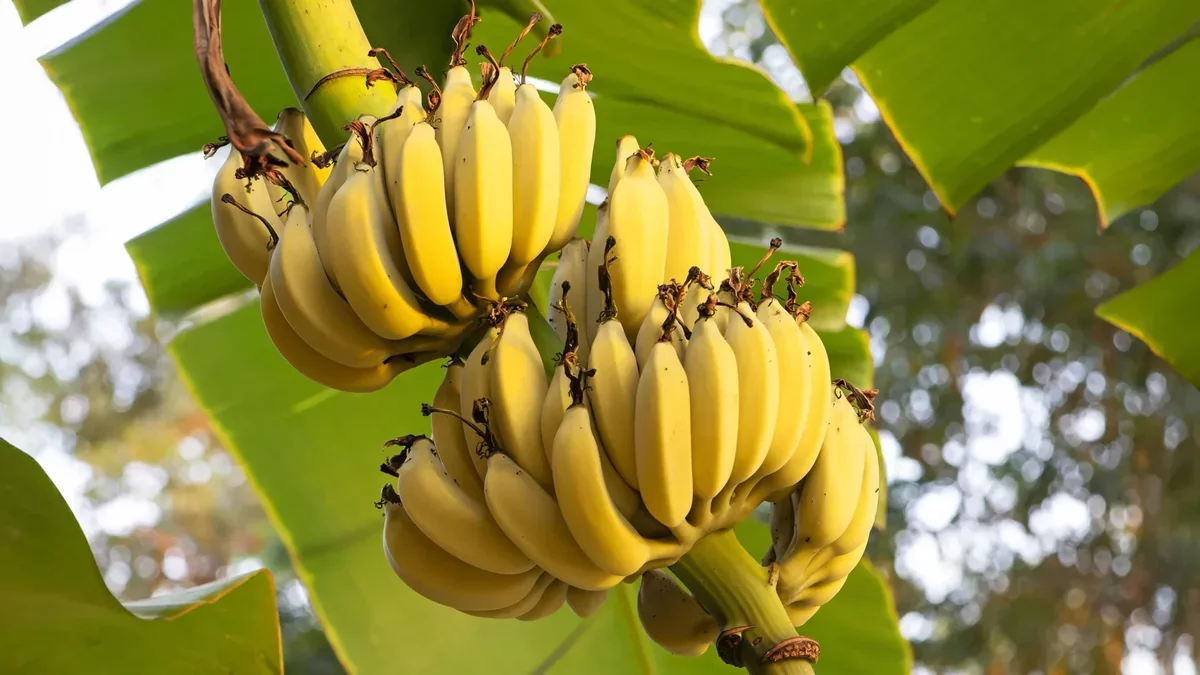
Researchers from The University of Queensland, spearheaded by Dr. Andrew Chen and Professor Elizabeth Aitken, have made a groundbreaking discovery regarding a specific genomic region that could confer resistance to Fusarium wilt Sub Tropical Race 4 (STR4), a harmful variant of Panama disease.
The Impact of Fusarium Wilt on Cavendish Bananas
Dr. Chen explained, "Fusarium wilt, commonly referred to as Panama disease, poses a significant threat to Cavendish bananas globally, primarily due to its aggressive Race 4 strains." This soil-borne fungus infiltrates banana plants, leading to wilting and eventual death, while also contaminating the soil, jeopardizing future crops.
Dr. Chen emphasized the importance of harnessing natural resistance found in wild banana varieties as a sustainable long-term strategy against this devastating pathogen.
Identifying Genetic Resistance in Wild Bananas
The research team traced the resistance back to a wild diploid banana known as Calcutta 4. By crossbreeding Calcutta 4 with susceptible banana subspecies, they aimed to isolate the protective trait.
"We have pinpointed the source of STR4 resistance in Calcutta 4, which is a highly fertile wild diploid banana," Dr. Chen noted. After cultivating the new plants, they were exposed to STR4, allowing researchers to compare the DNA of those that survived with those that did not.
"Upon exposing the progeny to STR4, we analyzed the DNA of both the resistant and susceptible plants," he added. "We have mapped the STR4 resistance to chromosome 5 in Calcutta 4, marking a significant milestone as it is the first genetic analysis of Race 4 resistance from this wild subspecies."
A Comprehensive Five-Year Research Initiative
Conducted through the School of Agriculture and Food Sustainability, this project spanned five years. Each generation of banana plants required a minimum of 12 months of growth before testing for disease resistance could commence.
The research methodology combined forward genetics, genome sequencing, and bulked segregant analysis to achieve these results.
Pathway to Fusarium-Resistant Commercial Bananas
Dr. Chen expressed optimism that these findings will pave the way for developing commercially viable banana varieties that can resist Fusarium wilt. However, he pointed out that while Calcutta 4 offers essential genetic resistance, it is not suitable for commercial cultivation due to its inedible fruit.
The subsequent phase of research will focus on transforming these genetic insights into practical breeding tools. "We aim to create molecular markers to efficiently track the resistance trait, enabling plant breeders to screen seedlings early and accurately before disease symptoms manifest," he stated.
This advancement could expedite selection processes, lower costs, and ultimately lead to a banana variety that is not only palatable but also easy to cultivate and genetically safeguarded against Fusarium wilt.
STR4 poses a threat to banana crops in subtropical regions worldwide and is a genetic variant of Tropical Race 4 (TR4) found in Australia. The study received funding from Hort Innovation through banana industry levy funds, alongside contributions from the Australian Government, with results anticipated to steer future investments towards practical applications in banana breeding.
The findings have been published in Horticulture Research.