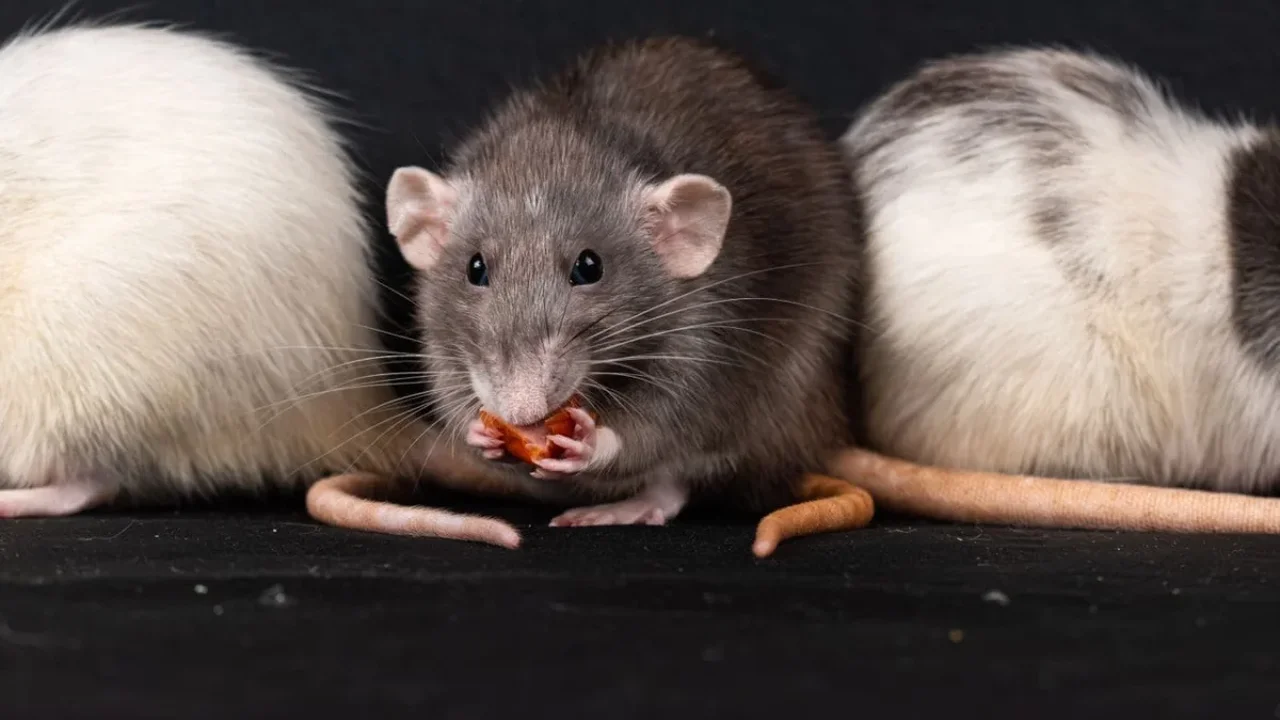
Researchers have identified a small set of brain cells that may help animals stay engaged when a task becomes more demanding. In a study on rats, the cells appeared to support persistence as the effort needed to earn a reward increased.
The role of orexin neurons
The focus of the research was orexin neurons, a group of cells in the hypothalamus already known for their role in sleep, appetite, and energy regulation. The team found that these neurons also seem to influence how much effort the brain is willing to invest in pursuit of a reward.
To test this, scientists at Nagoya University used genetically modified rats and measured how long the animals would keep working in a progressive ratio task, where each reward required more effort than the last. When orexin neurons were activated, the rats pushed further and reached higher breakpoints. When those neurons were reduced or temporarily suppressed, the animals gave up sooner.
What the findings suggest
The results point to a broader function for orexin beyond wakefulness and metabolism. They suggest these cells may help the brain sustain goal-directed behavior when rewards are harder to obtain. That insight could be useful for future research into motivation-related conditions such as ADHD, depression, and addiction.
Still, the researchers note that timing and duration matter. A brief burst of stimulation did not automatically increase effort, showing that this system is not a simple on-off switch. The study, published in Proceedings of the National Academy of Sciences, adds a new layer to understanding how the brain converts expectation into persistence. In the future, this line of research could help shape more precise ways to support motivation and cognitive resilience.