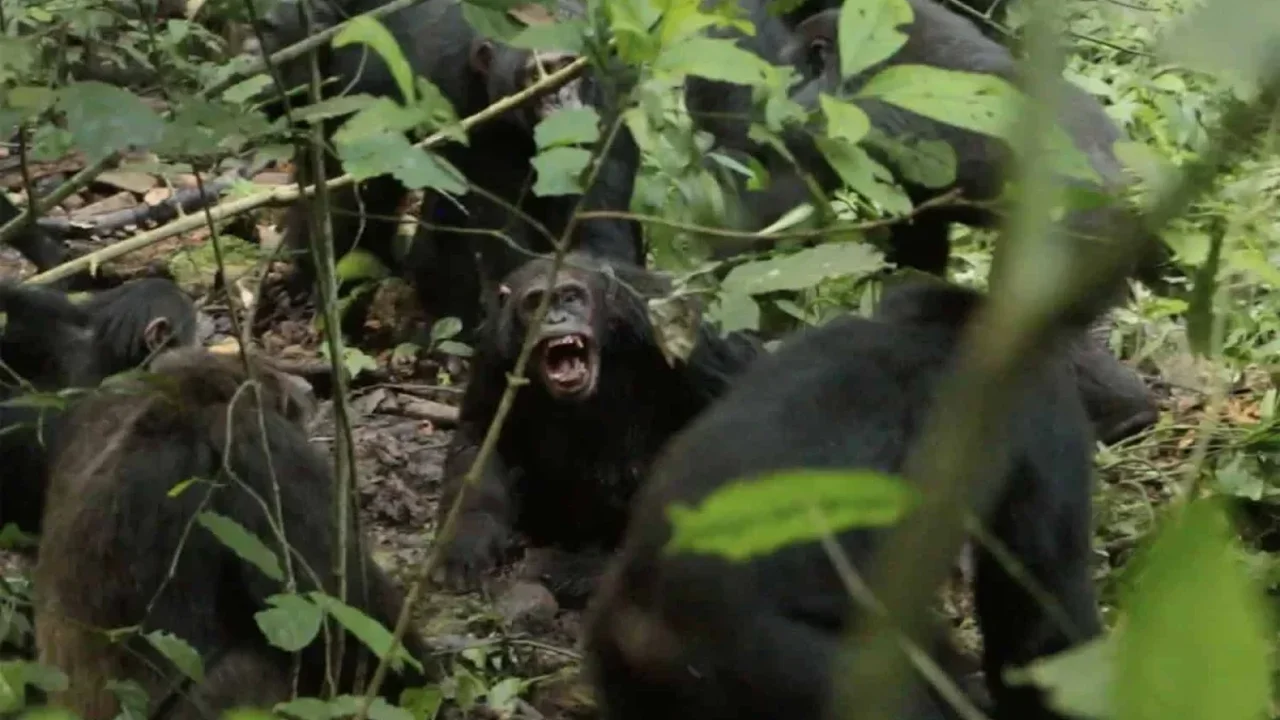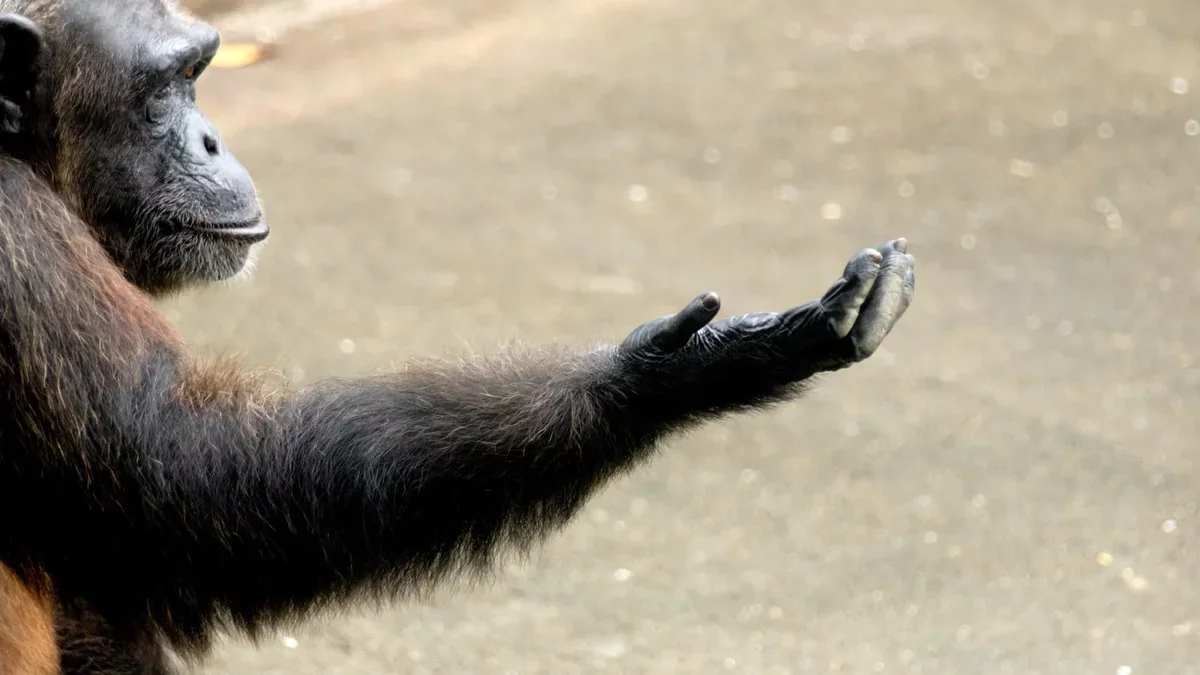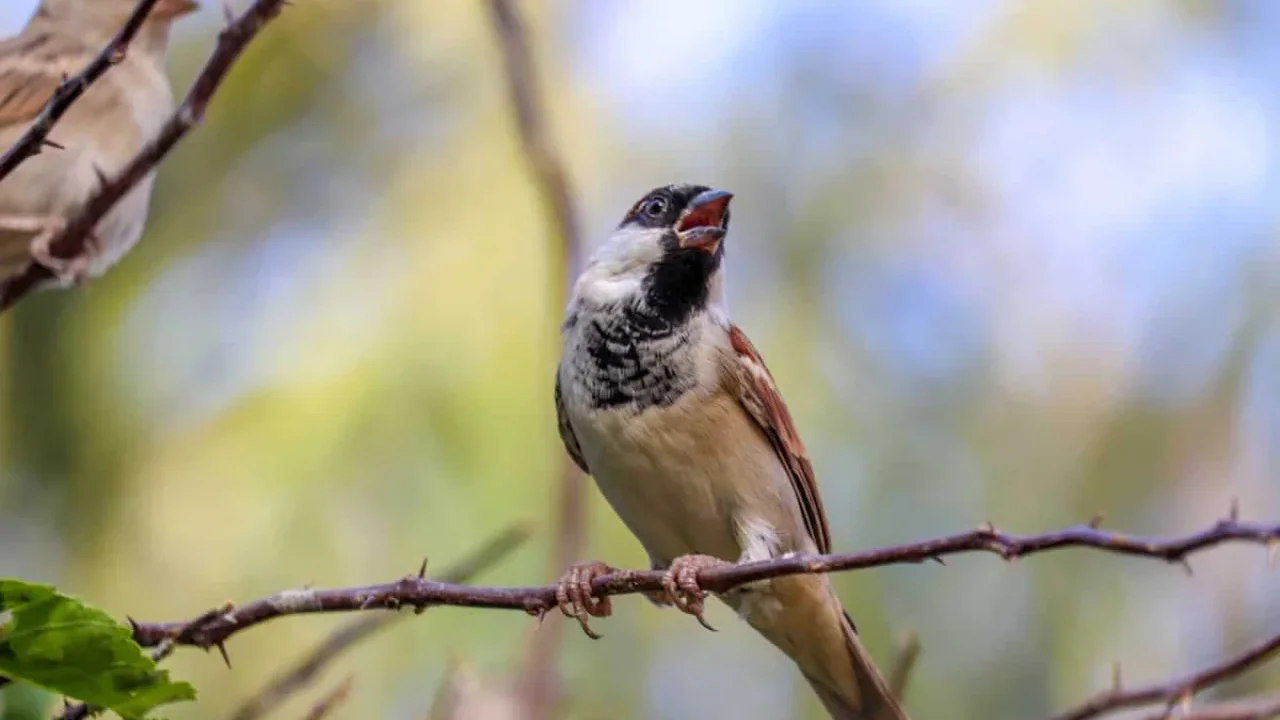
Across the animal world, communication may be more synchronized than it first appears. Fireflies, crickets, frogs, fish, birds, crustaceans and mammals all use very different signals, yet new research suggests many of them unfold at a similar pace.
Two independent studies reached this idea from different angles. One team, led by Northwestern University biophysicist Guy Amichay, reviewed animal signals and wildlife recordings and found that repeated communication often falls between 0.5 and 4 hertz, or roughly half a beat to four beats per second. Another team at the University of Geneva, led by Théophane Piette, analyzed acoustic patterns from 98 species and estimated an evolutionary optimum near 2.7 hertz.
The pattern is not universal. Some species, including bats and bush crickets, stand outside the trend. Still, the overlap between the two studies points to a striking convergence: animals may produce sound in many ways, but their communication rhythms often cluster around a shared tempo.
Researchers say the explanation may lie less in the signal itself and more in how brains receive it. Slow neural oscillations, often called delta rhythms, typically operate in a similar range and may help nervous systems process repeating signals efficiently. In that view, rhythm could act as a kind of attention-setting framework, with the message layered on top.
The findings do not prove a single rule for all species, but they open a fresh window into how evolution, behavior and neuroscience may intersect. If confirmed by direct neural experiments across more animals, this shared tempo could reshape how scientists understand communication in nature and inspire new models for bio-inspired signal design in the future.