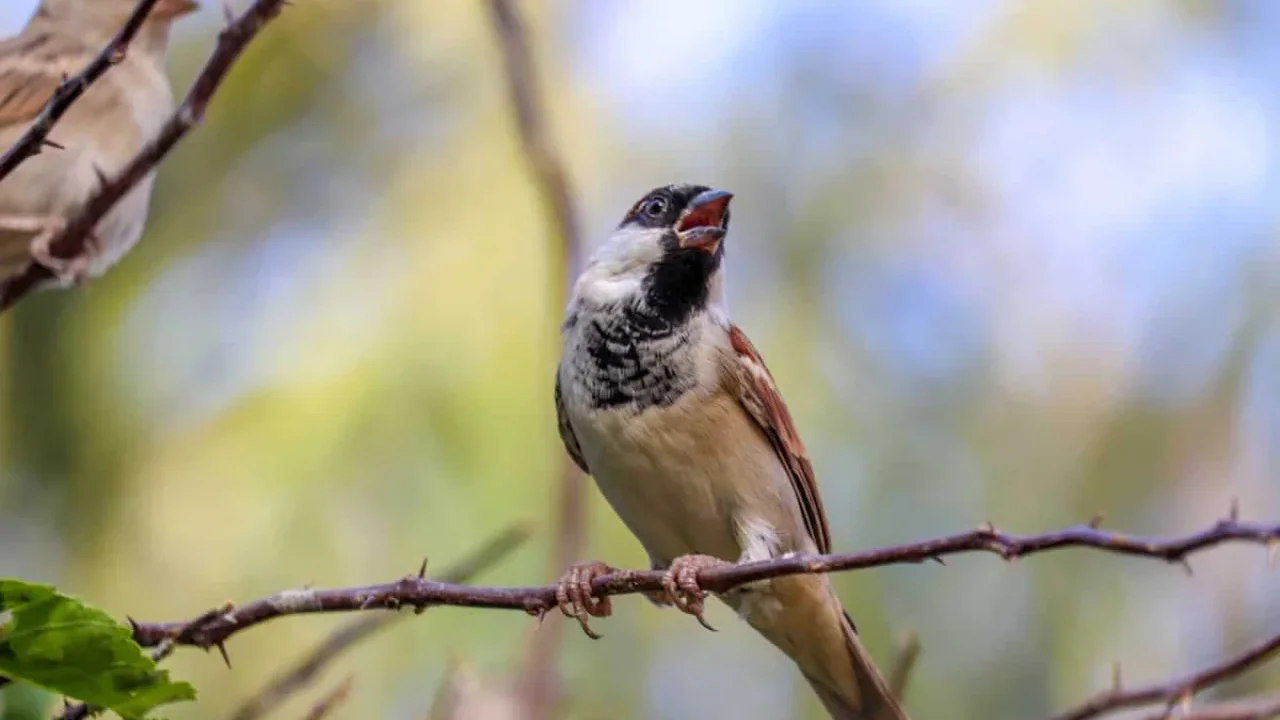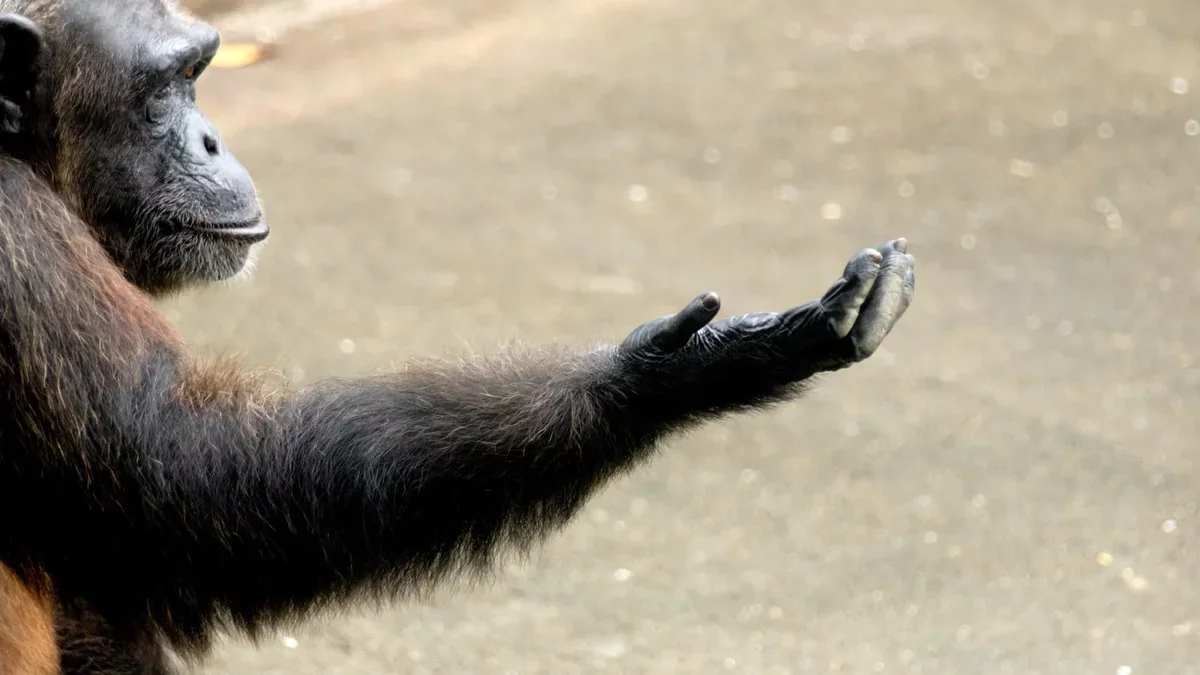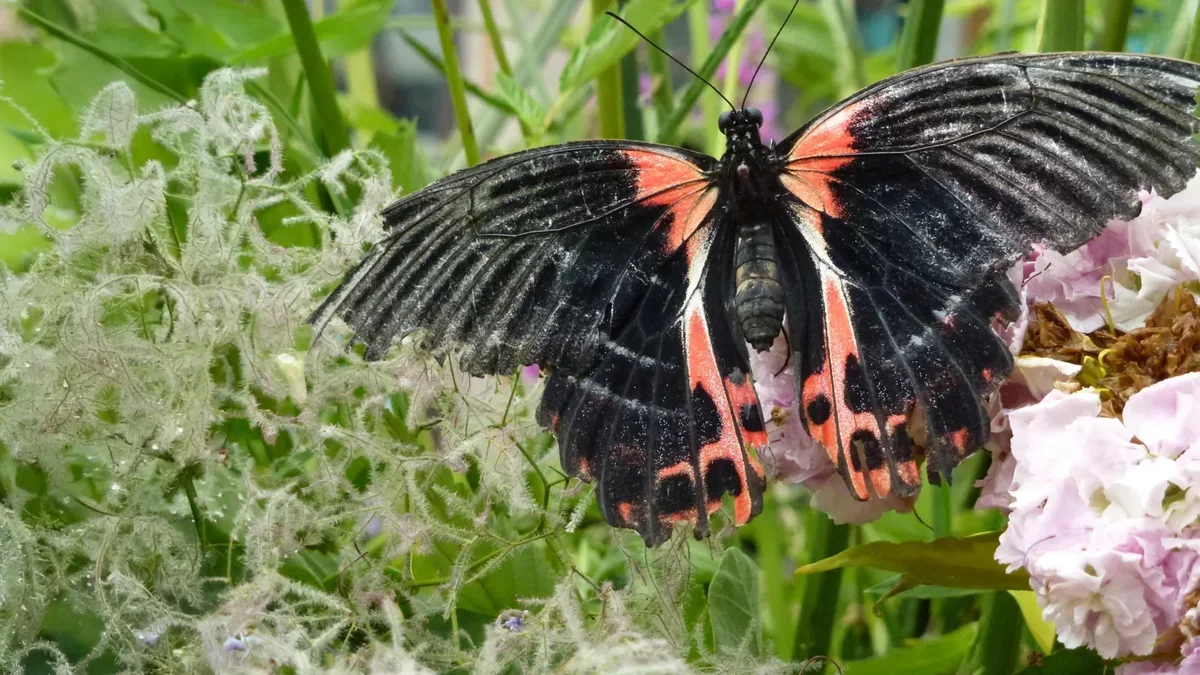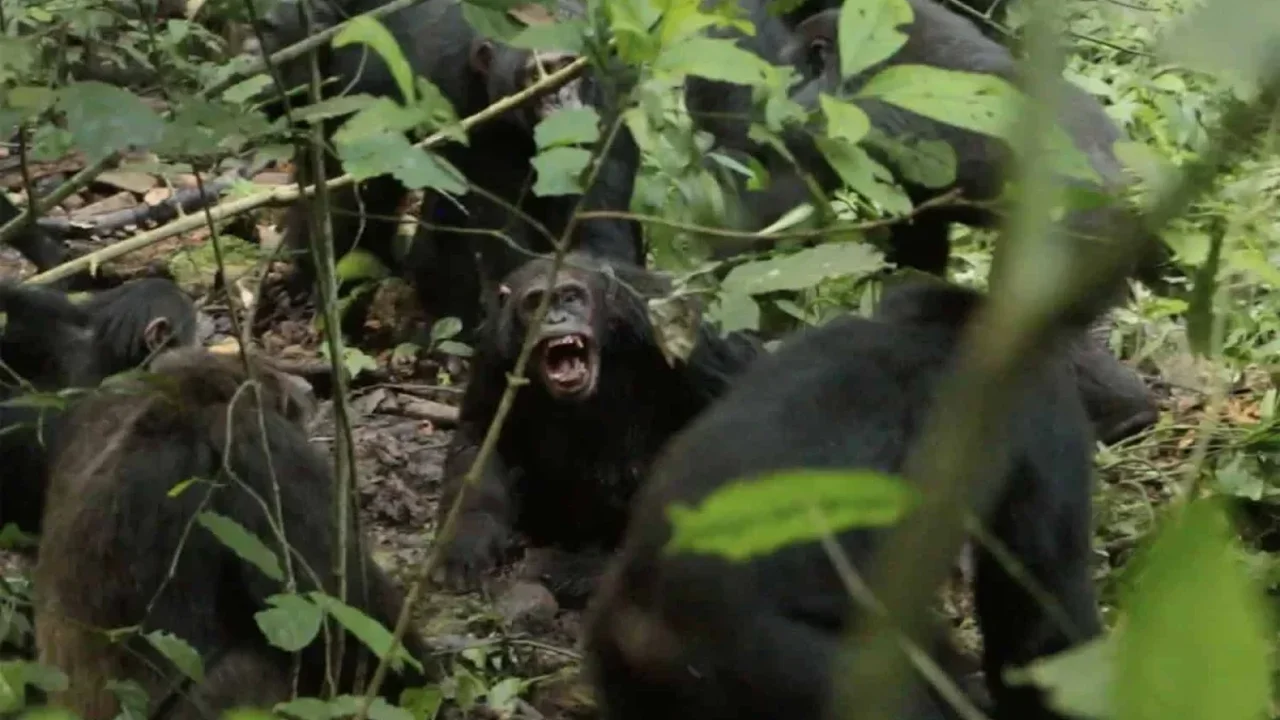
New research is reshaping how scientists think about animal conflict: many species begin preparing long before rivals meet. From chimpanzees pausing on high ground to meerkats posting sentinels and army ants forming defensive walls, these behaviors suggest that anticipation is part of the contest itself.
A review in Trends in Ecology & Evolution by Josh Arbon and Andrew Radford of the University of Bristol brings together evidence from insects, birds and mammals. The authors describe how groups gather information, protect key spaces, strengthen social ties and sometimes even launch raids before direct confrontation begins.
Reading the Landscape
In Taï National Park in Ivory Coast, chimpanzees were observed over three years moving differently near contested borders. They often stopped on elevated ground, rested, and appeared to listen more carefully when approaching rival territory. Earlier findings published in PLOS Biology suggest that these apes use terrain as a tactical advantage.
Wild dwarf mongooses show a similar pattern. When they detect another group through scent or calls, they slow down, increase guard duty and adjust their behavior depending on the size and threat level of the rival. Some species, including acorn woodpeckers, even monitor conflicts from a distance and later use that information.
Social Bonds and Group Strategy
The review also highlights how animals prepare socially. Chimpanzees, green woodhoopoes and dwarf mongooses increase grooming and close contact before collective defense. These moments may reduce tension, improve coordination and help persuade more reluctant group members to join in.
Other species rely on physical clustering, warning calls or scent marking to reinforce ownership of space. Meerkats concentrate scent around burrows, while black howler monkeys return to places where previous contests occurred, possibly to signal continued presence.
The authors describe this broader pattern as a "landscape of intergroup conflict," a concept that mirrors the ecological idea of a landscape of fear. In both cases, animals respond to changing risks by balancing safety, resources and social needs.
By placing preparation at the center of the story, the study opens a wider view of animal intelligence, memory and cooperation. It also suggests that the roots of strategic thinking may be deeper in nature than once assumed, shaping how species adapt to competition in the future.