HR software company Rippling has filed a new lawsuit against startup Runlayer, alleging that the company violated three of its patents tied to its MCP gateway technology. The move follows Runlayer's earlier case accusing Rippling of breaching contract terms and taking product ideas.
The dispute reflects a broader shift in the AI software market, where companies can test a startup's product, learn from it, and then decide to build similar tools internally. Rippling reportedly spent nearly a year evaluating Runlayer's MCP offering before the relationship stalled without a paid agreement.
Runlayer's platform combines an MCP gateway with cybersecurity features such as threat detection. MCP, or Model Context Protocol, is an open standard that helps AI agents connect with data and software systems so they can operate more independently.
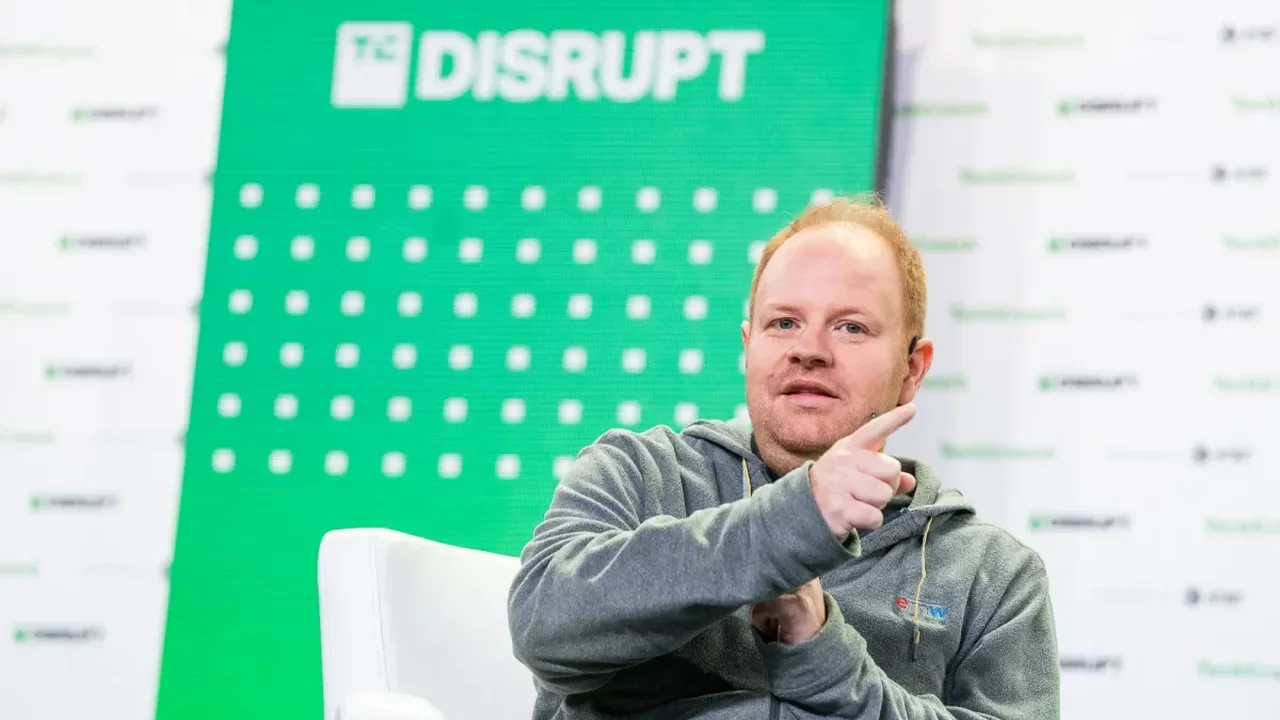
Founded by Andrew Berman, Runlayer has raised $42 million and counts Rippling among its earliest prospective customers. Rippling, meanwhile, is preparing to bring its own MCP server to market, extending its pattern of turning internal tools into commercial products.
Both sides are presenting sharply different views of the case, but the larger story is about how fast-moving AI innovation is reshaping the relationship between enterprise buyers and startups. As companies race to build smarter infrastructure, intellectual property and product strategy are becoming central to competition.
In the months ahead, this kind of dispute may help define how AI-era partnerships, product testing, and in-house development evolve across the tech industry.