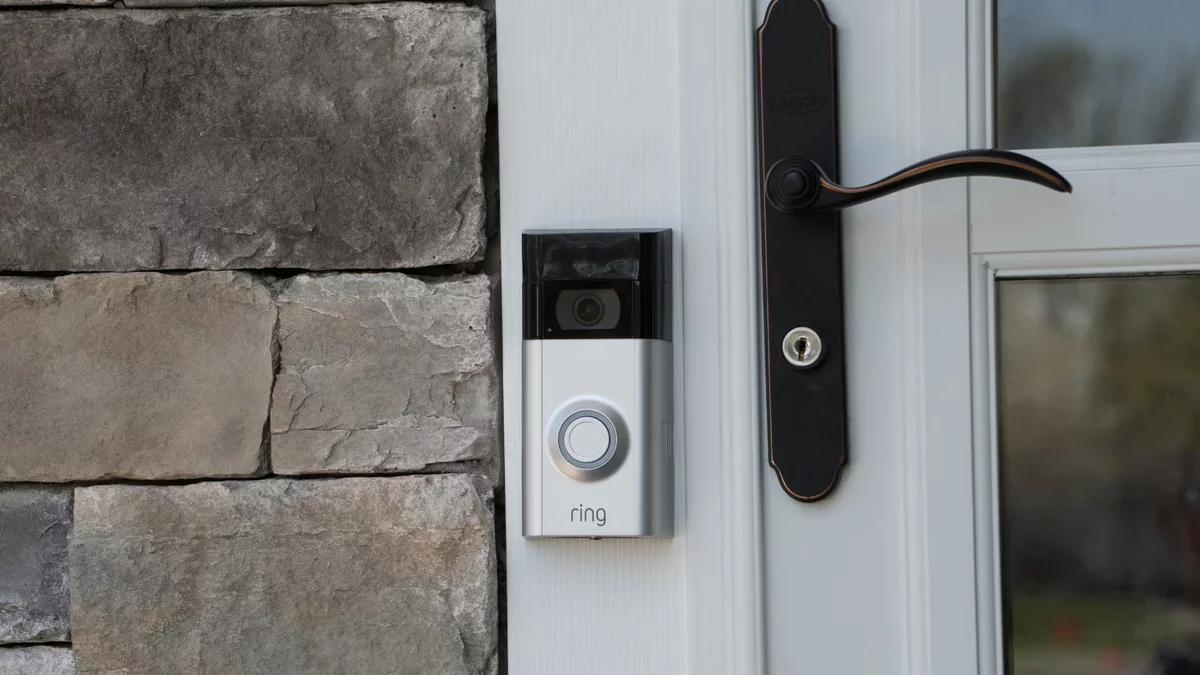
During Super Bowl LX, Ring unveiled its latest feature, "Search Party," aimed at helping dog owners locate their missing pets. The advertisement sought to resonate with pet lovers, showcasing how this innovative tool could assist in reuniting lost dogs with their families. While existing users might appreciate the utility, the commercial aimed at enticing new customers to consider Ring's doorbells as a solution for neighborhood pet safety.
However, the response was not what Ring anticipated. Instead of generating warmth, the ad sparked apprehension among viewers. The "Search Party" feature utilizes artificial intelligence to detect animals within the camera's view. More intriguingly, it connects multiple Ring cameras that have this feature activated, creating a network to aid in finding lost pets. Although the intention behind this technology is commendable, it raises questions about privacy and surveillance.
Online reactions ranged from disbelief to outrage. Many users expressed surprise at the capabilities of Ring cameras, while others criticized the ethical implications of such a feature. A notable comparison likened "Search Party" to the controversial surveillance methods depicted in the film The Dark Knight, where privacy concerns were sidelined for a greater good.
According to Ring, the "Search Party" feature is designed to be a safe and effective way to locate lost pets. Users can deactivate the feature whenever they choose, and only the Ring doorbells in the vicinity of the original request will participate in the search. Additionally, the feature relies on saved video footage, meaning that devices without a subscription or saved history will not contribute.
While advocating for the safety of pets is essential, it's equally important to prioritize privacy. The potential for misuse of such technology looms large; what begins as a community effort to find a lost dog could evolve into a tool for monitoring individuals deemed suspicious.
Can Law Enforcement Access Search Party Data?
A pressing concern surrounding the "Search Party" feature is whether law enforcement agencies can request access to footage from Ring cameras involved in the search. This question remains largely unanswered in Ring's promotional materials.
Notably, Ring has formed partnerships with organizations that provide law enforcement tools, allowing police to request footage directly through the Ring app. Users can choose to share or decline these requests, but the potential for privacy violations remains a concern, especially if law enforcement is granted access to saved footage.
Ring's guidelines indicate that the company will comply with valid search warrants, sharing user information but not the content stored in accounts without a warrant. However, the ambiguity surrounding how "Search Party" data might be treated raises significant questions about privacy and surveillance.
If you prefer not to utilize the "Search Party" feature, disabling it is a straightforward process. Simply open the Ring app, navigate to the "Control Center," and select "Search Party" to turn it off for each camera. For those wanting to ensure maximum privacy, deleting saved videos from your account can prevent any potential data access by law enforcement.