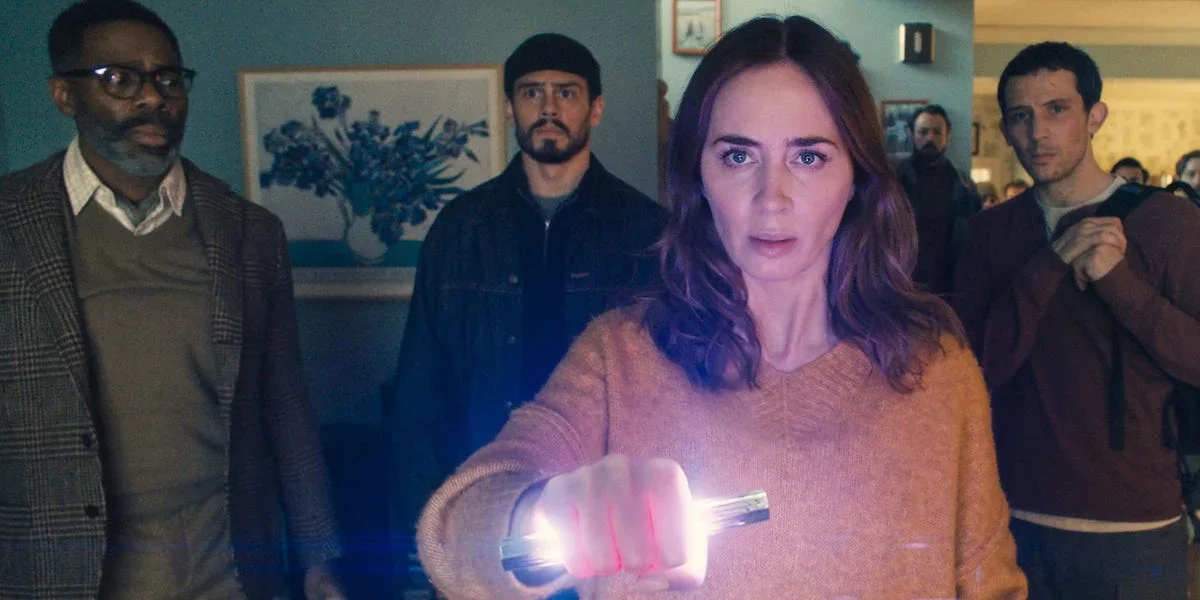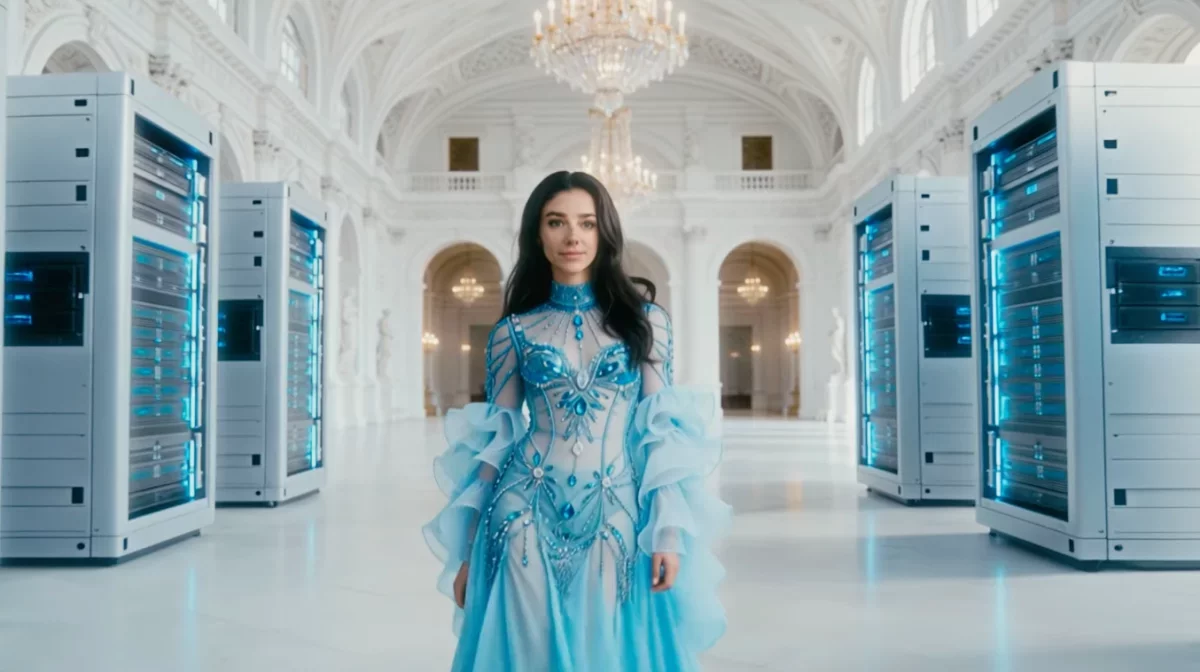
Particle6, the production company behind the AI-generated character Tilly Norwood, has stirred controversy in the entertainment world with the release of a music video for her debut song, "Take the Lead." This move has not been received positively by Hollywood, with notable figures like Golden Globe winner Emily Blunt expressing concerns about the implications of AI in the industry.
In an interview, Blunt remarked, "Come on, agencies, don't do that. Please stop," highlighting the unease surrounding AI actors and their potential impact on human performers.
Despite the backlash, Particle6 pressed on, unveiling a music video that features Norwood grappling with her identity as an AI. The song's lyrics reflect her struggles against the perception that she is not a genuine performer. "They say it's not real, that it's fake," Norwood declares, emphasizing her quest for recognition.
The production involved a team of eighteen contributors, including designers and editors, yet the song itself raises questions about relatability. Critics argue that it addresses a sentiment that no human can truly grasp--the experience of being dismissed for being an AI.
With a sound reminiscent of pop artists like Sara Bareilles, the song opens with lines that attempt to convey creativity and individuality. The chorus, however, serves as a rallying cry for AI actors, urging them to seize their place in the industry and redefine their roles. "AI's not the enemy, it's the key," Norwood sings, inviting fellow AI performers to embrace their potential.
The music video portrays Norwood walking through a data center and across a stage, symbolizing her aspirations and challenges. The visuals, combined with the lyrics, create a narrative that some may find appealing, while others view it as a hollow attempt to validate AI in creative spaces.
As the debate over AI-generated content continues, Norwood's song highlights a pivotal moment in the entertainment industry. The conversation surrounding AI's role in creativity is evolving, prompting both excitement and skepticism about the future of performance art.
In this landscape, the emergence of AI characters like Tilly Norwood could redefine how we perceive artistry and creativity, potentially opening new avenues for collaboration between technology and human expression.