Researchers at Julius-Maximilians-Universität Würzburg (JMU) have achieved a groundbreaking milestone by developing the smallest pixel ever created, utilizing advanced optical antennas. This innovative work, led by Professors Jens Pflaum and Bert Hecht, has been published in the journal Science Advances.
A Full HD Display in a Tiny Space
The team has successfully engineered a pixel for orange light that occupies a mere 300 by 300 nanometers, aided by a metallic contact that facilitates current injection into an organic light-emitting diode while enhancing and emitting the light produced. According to Bert Hecht, this pixel matches the brightness of a traditional OLED pixel sized at 5 by 5 micrometers.
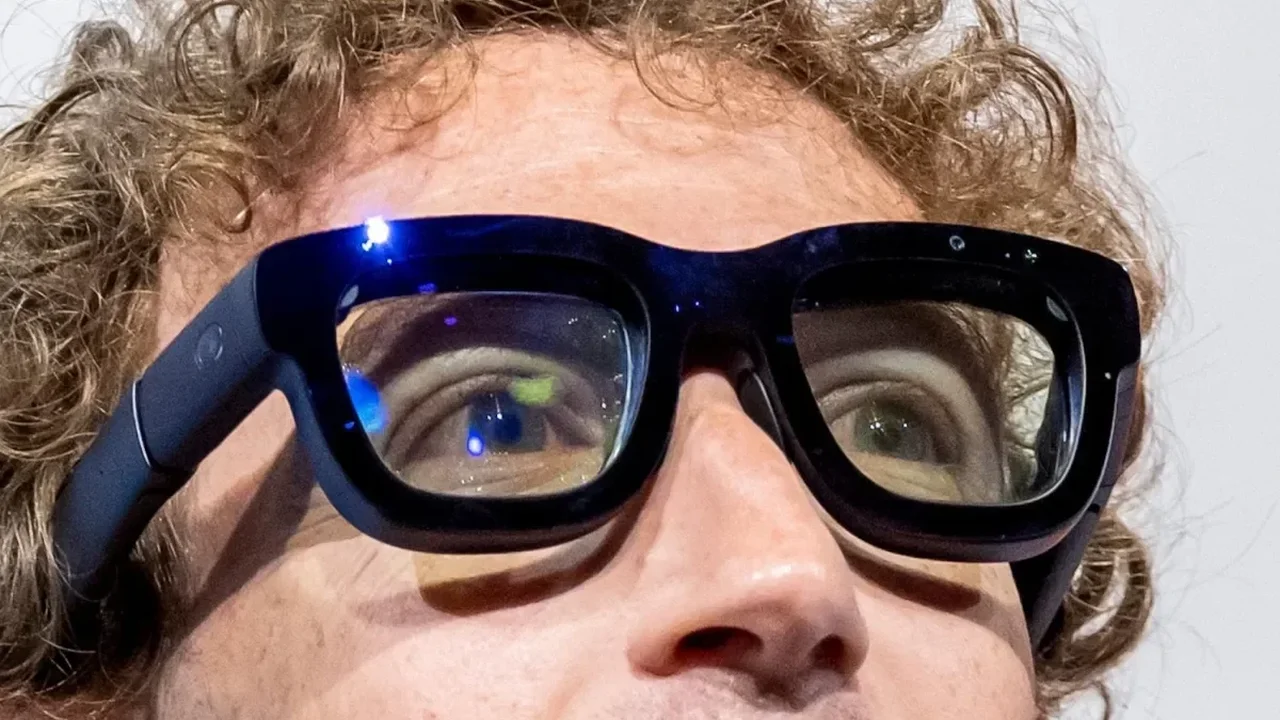
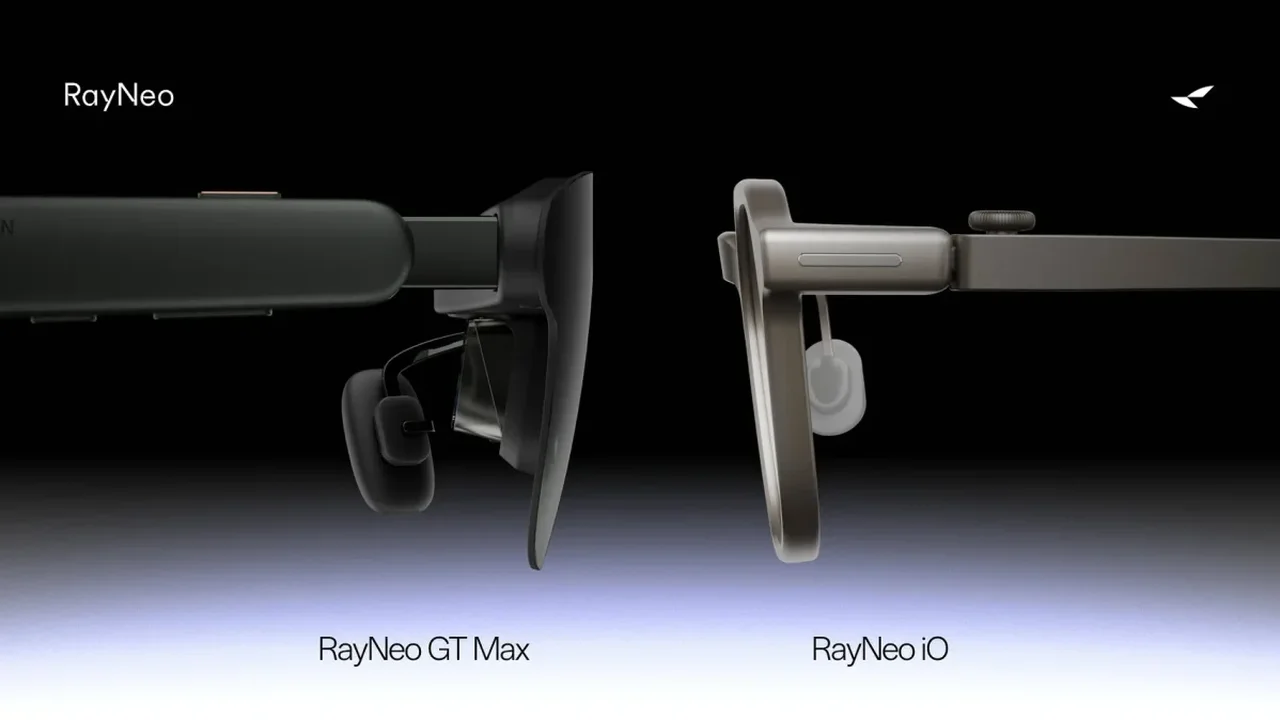
To put this into perspective, a projector or display boasting a resolution of 1920 x 1080 pixels could fit within a single square millimeter. Such miniature dimensions open the door to integrating displays directly into the frames of smart glasses, projecting light onto the lenses.
OLED technology operates through multiple ultra-thin organic layers sandwiched between two electrodes. When electricity flows through, electrons and holes recombine in the active layer, exciting the organic molecules to emit light. This self-lighting capability eliminates the need for a separate backlight, allowing for deep blacks, vivid colors, and energy efficiency--ideal for augmented and virtual reality (AR and VR) applications.
The Challenges of Miniaturizing OLED Pixels
Scaling down existing OLED designs presents unique challenges at the nanoscale. The Würzburg team discovered that electrical currents do not distribute evenly in such tiny structures. Jens Pflaum explained that simply miniaturizing established OLED designs would lead to uneven current emission, primarily from the antenna's corners, akin to the behavior of a lightning rod. The gold antenna employed in this device is cuboidal, measuring 300 by 300 by 50 nanometers.
The electric fields generated could cause gold atoms to migrate, creating filaments that could eventually induce a short circuit and compromise the pixel's functionality.
Innovative Insulation for Stability
To address this issue, the researchers incorporated a precisely designed insulating layer atop the optical antenna, featuring a central circular opening of 200 nanometers in diameter. This design prevents current from flowing at the edges and corners, ensuring the stable operation of the nano light-emitting diode and averting filament formation. Remarkably, even the initial nanopixels maintained stability for two weeks under normal conditions, as noted by Bert Hecht.
The team aims to enhance efficiency beyond the current one percent level and expand the color range to encompass the full RGB spectrum. Achieving these objectives would pave the way for a new era of compact displays "made in Würzburg." Future advancements could lead to displays and projectors so diminutive that they become nearly invisible when integrated into wearable technology, ranging from eyeglass frames to contact lenses.