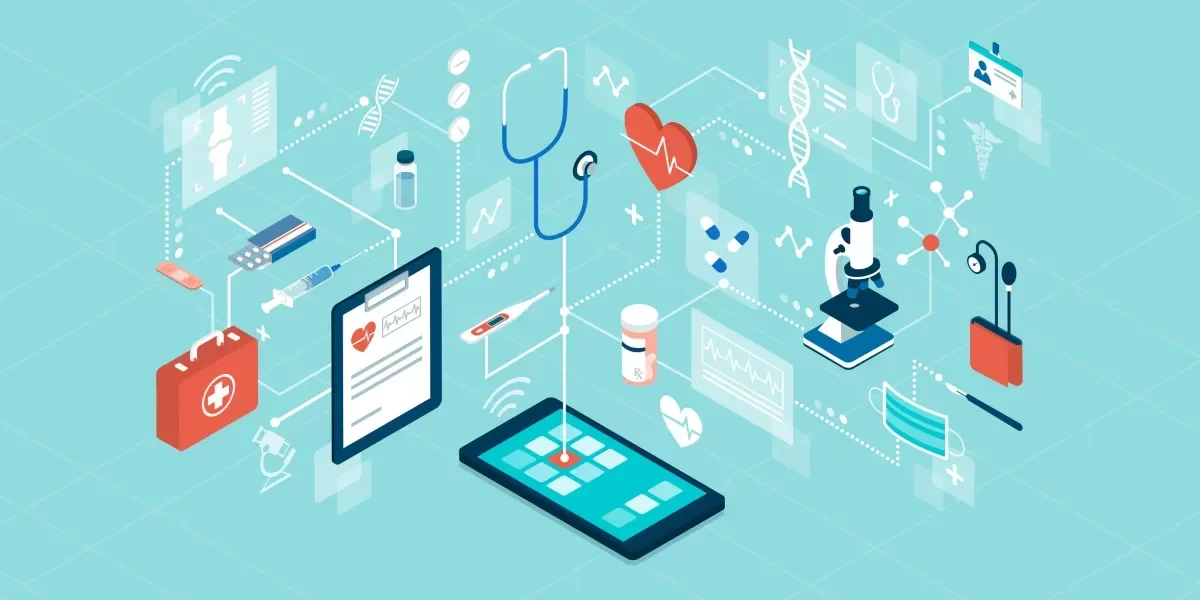
Imagine a future where your health metrics are continuously monitored, where a simple pill can slow cellular aging, and where an AI-driven personal assistant offers tailored advice on nutrition, sleep, and even the emotional impact of your social interactions.
We are entering a transformative period in longevity science that promises to extend human lifespans significantly over the next decade. Current research indicates that children born today have a remarkable chance of living to 100, with predictions suggesting that the number of centenarians could soar from 700,000 to 25 million by 2100.
This potential leap in longevity is fueled by breakthroughs in health diagnostics, innovative medications, and the integration of artificial intelligence in longevity technologies. Coupled with lifestyle choices--like regular exercise, adequate sleep, and a balanced diet--this new approach could pave the way for a vibrant, healthy life well into your centenary.
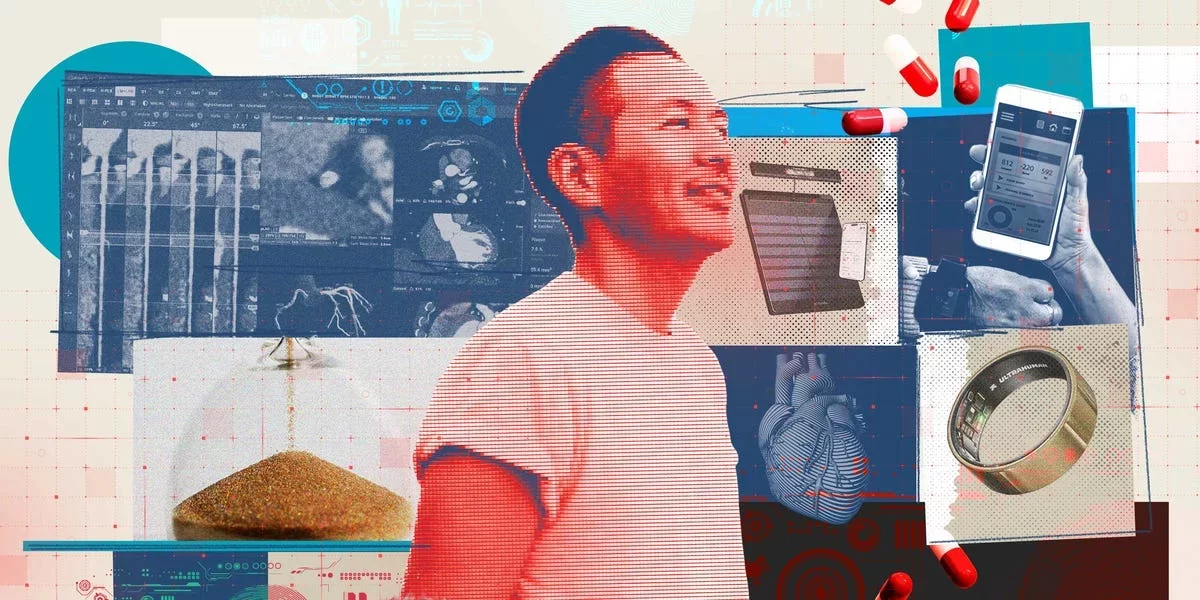
At the recent Consumer Electronics Show (CES) in Las Vegas, I explored the Digital Health Pavilion, where nearly 100 exhibitors showcased advancements in longevity technology. Notable innovations included the Ultrahuman Ring AIR, a cutting-edge sleep tracker that analyzes snoring and respiratory patterns, and the Ascentiz modular exoskeleton, designed for hip and knee support.
According to Rene Quashie, Vice-President for Digital Health at CTA, a significant trend is the rise of precision healthcare products driven by data and AI, which enable personalized care. Early identification of health risks through genomic and biomarker analysis is becoming a reality.
Moreover, the shift towards continuous, remote care through wearables and telehealth empowers patients to take control of their health. For instance, the AI companion ElliQ assists older adults in staying connected and engaged, highlighting the role of technology in shaping our health future.
One standout product, the Body Scan 2 by Withings, has garnered acclaim for its comprehensive health monitoring capabilities. This device measures various health metrics, including muscle mass and blood flow, providing insights that can be shared directly with healthcare providers.
Experts believe we are at a critical juncture where data can drive targeted therapeutic approaches to enhance longevity. Dr. Rafid Fadul emphasizes the potential of emerging tools to analyze vast data sets, enabling new categories of health tests and solutions that target aging at the cellular level.
As we look ahead, the development of AI-driven algorithms like Cleerly is revolutionizing heart health assessments, allowing for early intervention in heart disease. Meanwhile, platforms like Noom are innovating how we track health metrics, making it easier to monitor biomarkers without frequent clinic visits.
In a world where AI capabilities are increasingly influencing drug development, the future of longevity medicine appears bright. With advancements in FDA-approved drugs that target aging, we may soon witness a significant shift in life expectancy and quality of life.
As we embrace this new era of health technology, the responsibility lies with individuals to leverage these advancements for a longer, healthier life.