A groundbreaking study has unveiled an innovative approach to detecting acromegaly, a rare condition often emerging in midlife due to excessive growth hormone production. This condition results in noticeable physical changes, including enlarged hands and feet, alterations in facial features, and abnormal growth of bones and organs. The gradual onset of symptoms makes early diagnosis challenging.
If left untreated, acromegaly can lead to serious health complications, potentially reducing life expectancy by around a decade. Hidenori Fukuoka, an endocrinologist at Kobe University, notes that the rarity and slow progression of the disease often delay diagnosis by several years. However, advancements in artificial intelligence (AI) have sparked interest in using photographs for earlier detection, despite limited clinical application thus far.
Innovative AI Method Focused on Hand Imagery
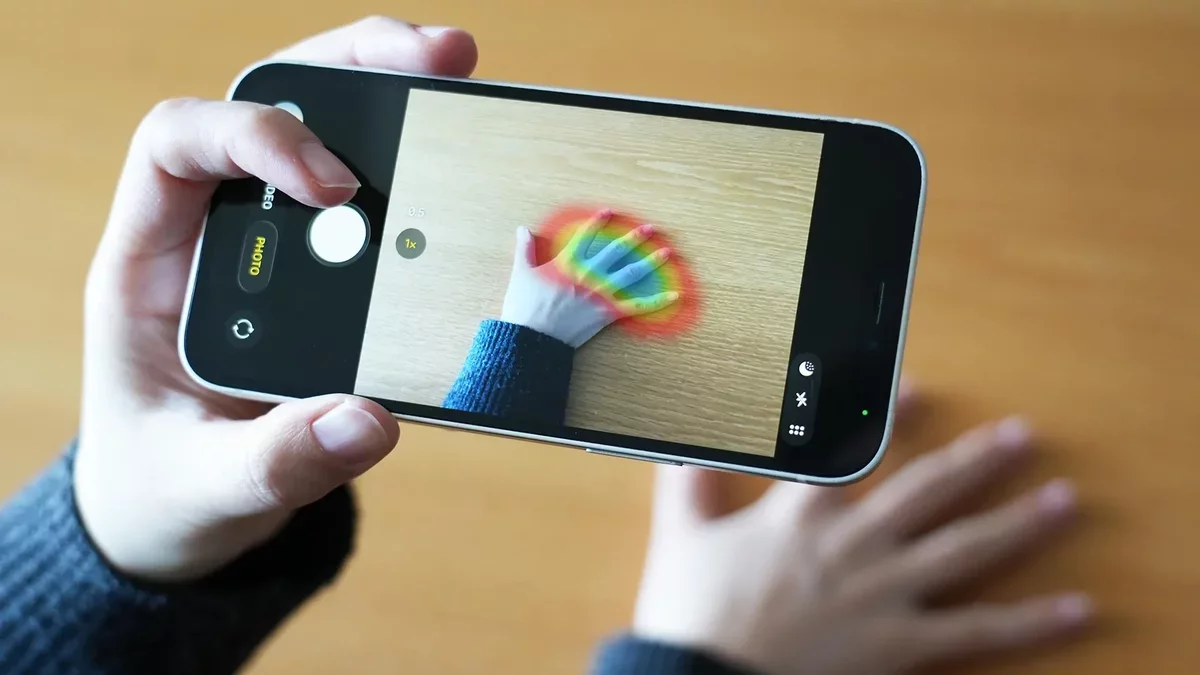
Upon reviewing existing AI methodologies, the research team identified a reliance on facial images for disease detection, which raises privacy concerns. To mitigate these issues, the scientists pivoted to analyzing hand images, a common area examined during clinical assessments, particularly for conditions like acromegaly that visibly affect the hands.
Yuka Ohmachi, a graduate student involved in the research, explains that focusing on the hands allows for a more privacy-conscious approach. The study specifically utilized images of the back of the hand and clenched fists, deliberately avoiding palm images to protect individual identity. This strategy enabled the recruitment of a significant number of participants, with 725 patients contributing over 11,000 images from 15 medical institutions across Japan.
AI Surpasses Experienced Specialists
Published in the Journal of Clinical Endocrinology & Metabolism, the findings revealed that the AI model exhibited remarkable sensitivity and specificity in detecting acromegaly from hand images. In head-to-head assessments, the AI outperformed seasoned endocrinologists analyzing the same photos.
Ohmachi expressed surprise at the high diagnostic accuracy achieved solely through images of the back of the hand and clenched fist, emphasizing the practicality of this approach for disease screening without relying on facial features.
Potential for Broader Medical Applications
The research team aims to extend their AI system's capabilities to identify additional medical conditions that manifest visible changes in the hands, such as rheumatoid arthritis and anemia. Ohmachi believes this breakthrough could pave the way for broader applications of medical AI.
Enhancing Medical Practice and Access to Care
In actual clinical environments, doctors utilize a comprehensive range of diagnostic tools beyond hand images, including medical histories and laboratory tests. The researchers at Kobe University envision their AI tool as an aid to healthcare professionals, enhancing diagnostic accuracy and facilitating earlier interventions. Fukuoka notes that further development of this technology could create a medical infrastructure that connects suspected cases of hand-related disorders to specialists, thereby improving healthcare access and reducing disparities.
This research received support from the Hyogo Foundation for Science Technology and involved collaboration with various prestigious institutions across Japan.