An exhibition in Kassel and Utrecht revisits a pivotal moment in Rembrandt van Rijn's career: his move from Leiden to Amsterdam in 1632, when he began shaping a public identity that would outlive him by centuries. The show highlights how the artist turned his name into a recognizable mark in a competitive market.
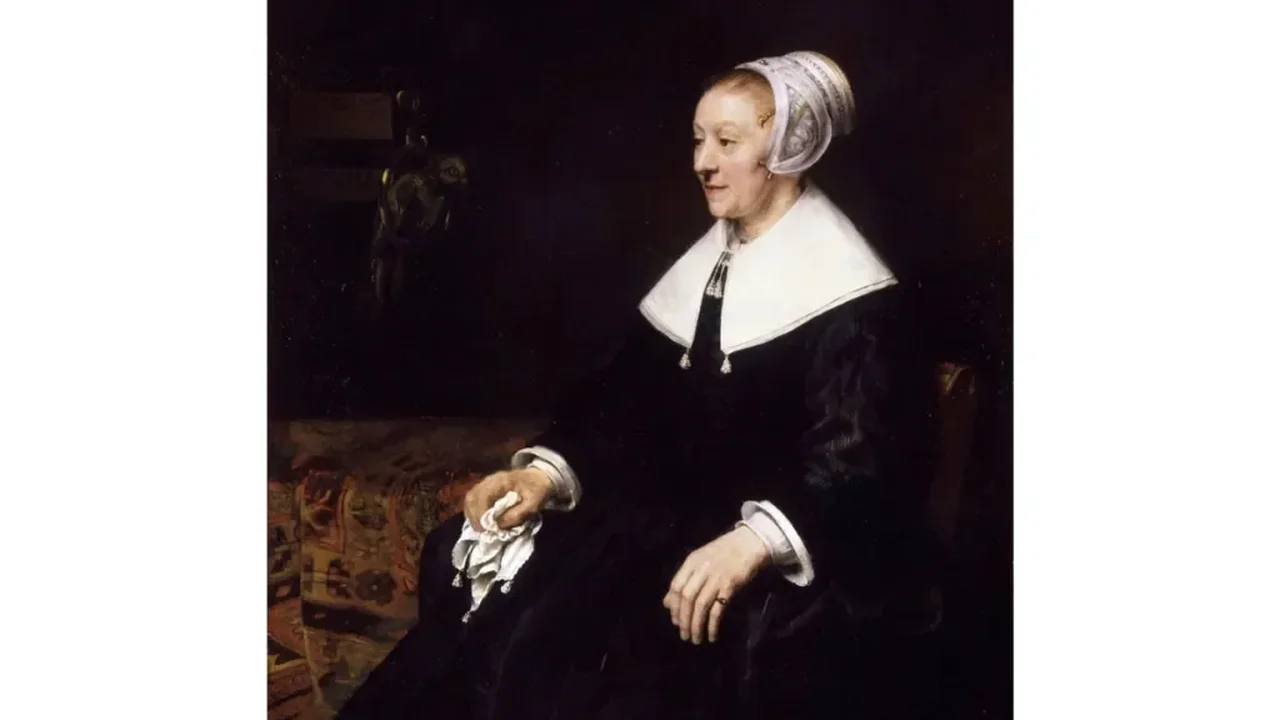
Set in the Wilhelmshöhe Palace, the presentation follows Rembrandt's early rise through etchings, history paintings, portraits, and tronies--the Dutch genre of expressive character studies. It also points to the artist's sharp awareness of audience, reputation, and visual storytelling at a time when Amsterdam was becoming a major center for art and commerce.
Two self-portraits anchor the narrative. One presents a polished young artist in armor-like dress, lit with striking clarity. The other feels more intimate and experimental, with shadowed features and textured brushwork that reveal Rembrandt's willingness to push beyond convention. Together, they capture both ambition and artistic risk.
The exhibition also shows how Rembrandt's name later became a cultural brand, appearing on products far beyond the art world. That lasting recognition reflects not only his technical mastery, but also his early instinct for identity-building--an idea that feels especially relevant in today's creative economy. In the future, this blend of artistry and personal branding may continue to shape how cultural icons are remembered and reimagined.