An international collaboration of researchers has successfully pinpointed the location of the ancient city of Alexandria on the banks of the Tigris River in Iraq. Established by Alexander the Great in the 4th century BCE, this city was a crucial hub for trade until the 3rd century CE, connecting diverse cultures across Europe, the Middle East, and South Asia.
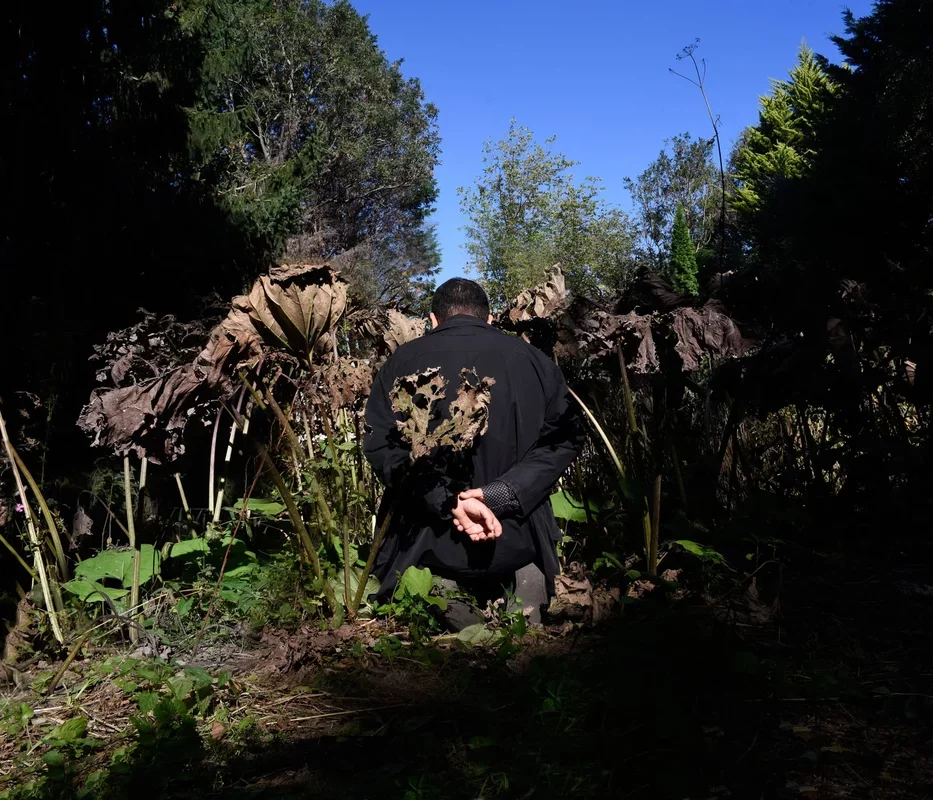
This significant announcement came from the University of Konstanz in Germany, where Professor Stefan Hauser, an expert in Mediterranean and Near Eastern archaeology, leads the initiative to document the archaeological site.
Historically known as Charax Spasinou, this city was one of several founded by Alexander, with its Egyptian namesake being the most renowned. Unlike Alexandria in Egypt, which thrives today as the country's second-largest city, the Tigris counterpart faded into obscurity. By the 3rd century CE, shifting river patterns led to its abandonment.
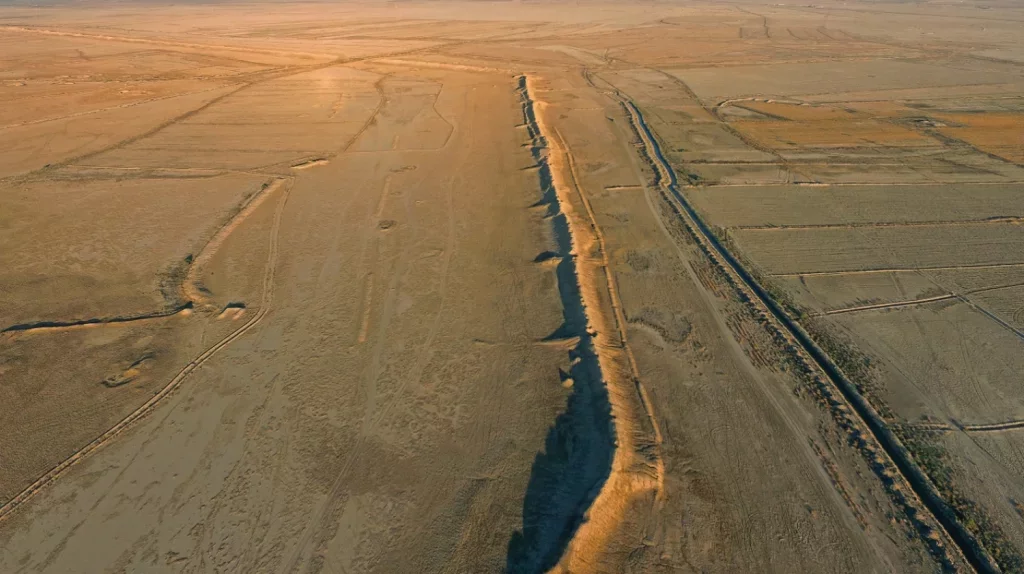
In the mid-20th century, researcher John Hansman utilized aerial photography to connect remnants of structures at Jebel Khayyaber to descriptions by Pliny the Elder from the 1st century CE. However, decades of conflict, including the Iran-Iraq War, hindered further exploration.
It was not until 2014 that a British research team, under tight security, could access the site. By 2016, Professor Hauser joined the effort, which became known as the Charax Spasinou Project.
Despite challenging and hazardous conditions, the team initially focused on non-invasive techniques such as surface surveys and drone imaging. These methods unveiled the layout of a well-planned metropolis. A subsequent magnetometric study identified four key areas within the city: a vast residential zone, a river port with workshops, a grand palace, and an extensive irrigation system on the outskirts.
Professor Hauser remarked, "We then realized that what we had before us was the equivalent of Alexandria on the Nile."
Looking ahead, the team plans to conduct further excavations, promising to unearth more about this remarkable historical site.