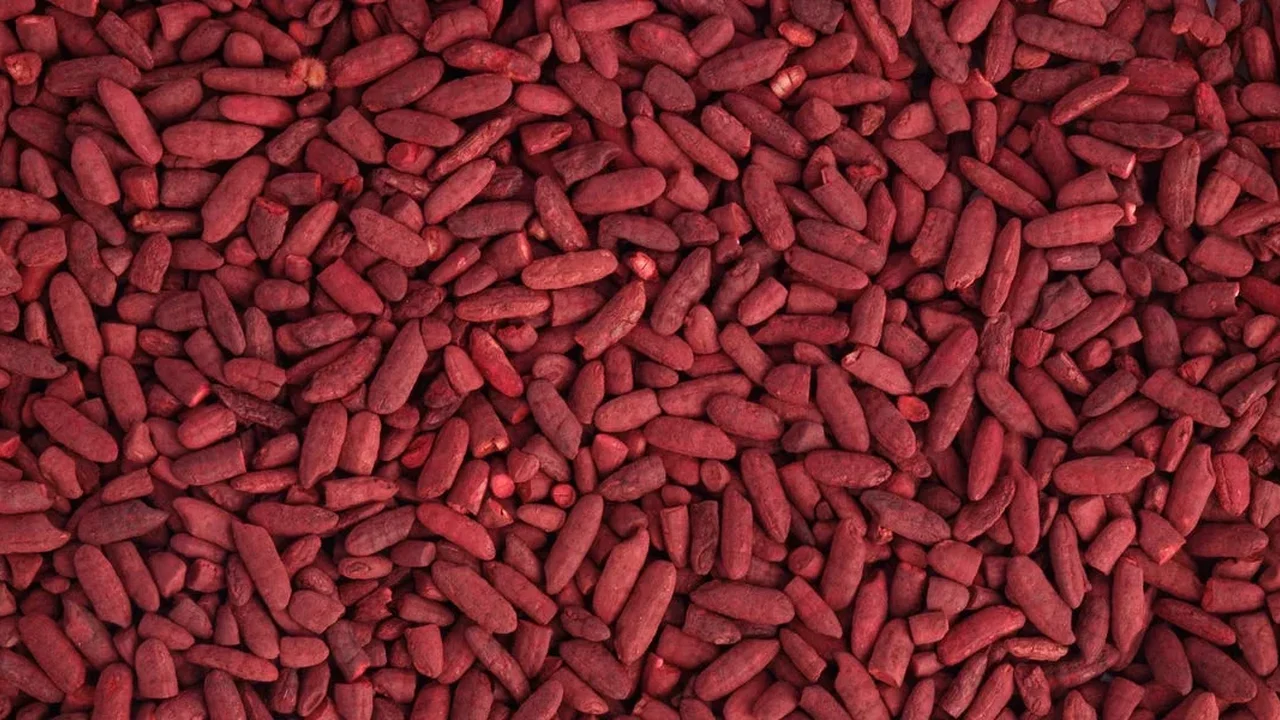
Red yeast rice has a long history in East Asian food and traditional remedies. Today, it is also sold as a supplement for lowering LDL, or "bad," cholesterol. Its effects come partly from monacolin K, a compound chemically identical to the prescription statin lovastatin.
What the evidence suggests
Research indicates that red yeast rice can reduce LDL, with some studies reporting decreases of around 15 to 34 percent compared with a placebo. The amount of monacolin K, however, can differ substantially from one product to another. As a result, users may not know the dose they are taking, and some supplements contain very little of the active compound.
Because monacolin K acts like a statin, red yeast rice may also cause similar side effects. Product quality can vary, and contamination with citrinin--a substance that may harm the kidneys--is another potential concern. Supplements are therefore not automatically a safer or more predictable choice than prescription treatment.
Discuss options with a clinician
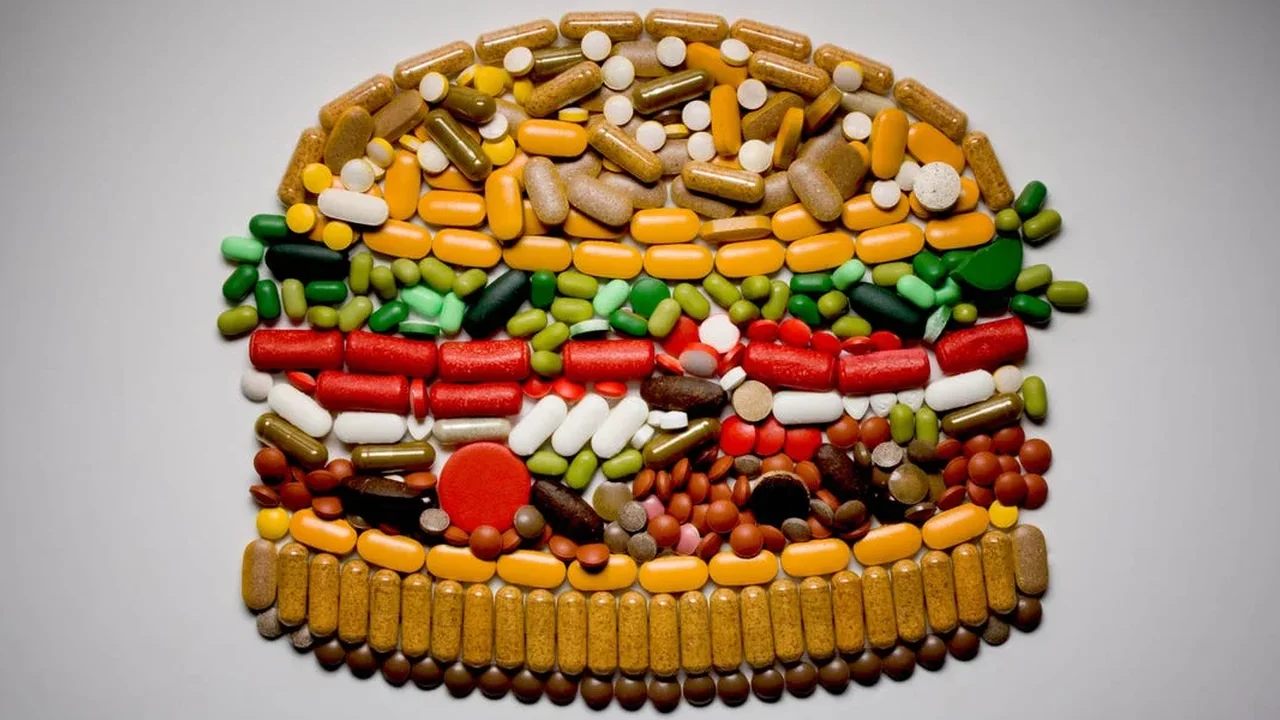
Whether red yeast rice is appropriate depends on a person's cholesterol levels and overall cardiovascular risk. Prescription statins have established dosing and evidence of reduced cardiovascular risk; a supplement may not offer equivalent results. Anyone considering red yeast rice should discuss it with a healthcare professional, who can help assess risks and monitor cholesterol levels. Independent certification, such as USP or NSF, may offer additional information about a product's quality, but does not guarantee a particular effect.
As supplement testing and labeling improve, consumers may gain clearer information to support more informed cholesterol-care decisions.