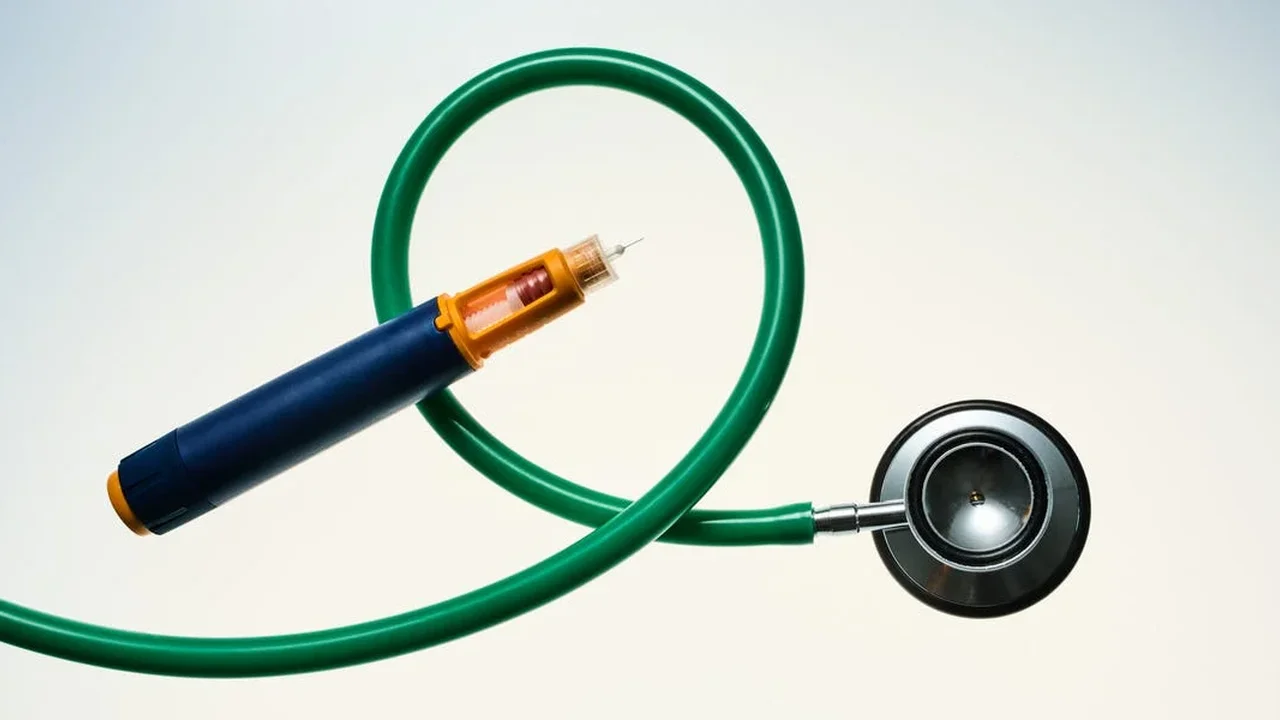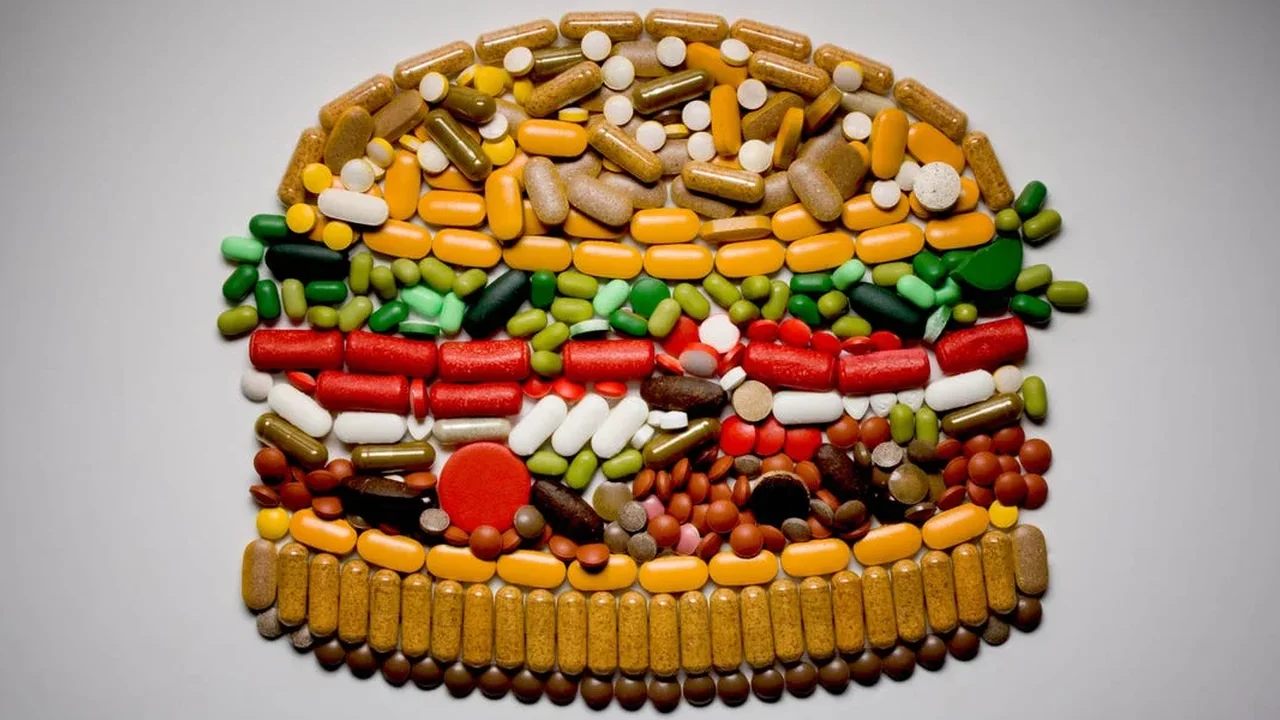
Statins can lower LDL cholesterol, but taking one is not a free pass to make fast food or rich, saturated-fat-heavy meals a regular habit. The medication addresses one cardiovascular risk factor; diet can also affect blood pressure, blood sugar, triglycerides and body weight.
What statins do--and don't do
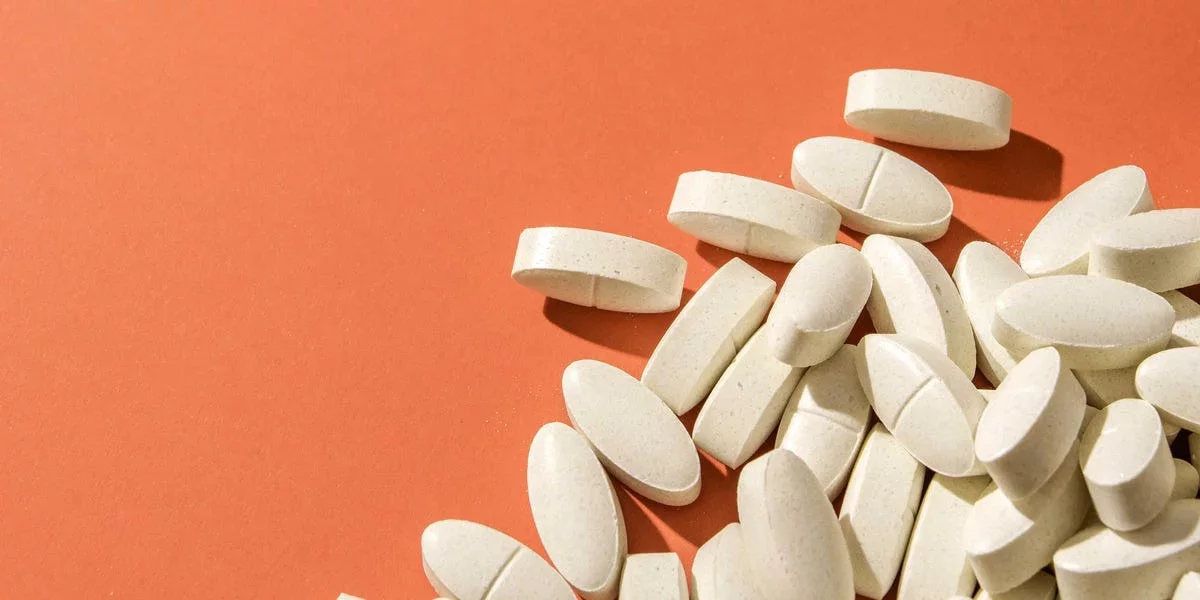
These prescription medicines reduce the liver's cholesterol production, helping it remove more LDL from the bloodstream. Depending on the medication and dose, LDL may fall by roughly 30 to 50 percent or more.
Juan Carlos Rozo, a cardiologist at Houston Methodist The Woodlands Hospital, compares statins to a seat belt: they offer protection, but don't make risky choices harmless. An occasional burger or other treat can fit into an overall balanced eating pattern, while frequent indulgence may affect health factors that statins do not directly address.
Pair medication with everyday habits
For regular meals, the article's cardiologists recommend emphasizing fiber-rich foods such as oats, beans, lentils, vegetables and fruit, alongside nuts, olive oil and fatty fish. Cutting back on processed meats, fried foods and refined carbohydrates can complement treatment.
Statins and healthy eating work on overlapping but different parts of cardiovascular risk. Used together--and with medical guidance tailored to the individual--they can support a more comprehensive approach to heart health. This combined approach keeps future prevention focused on both effective treatment and sustainable daily habits.