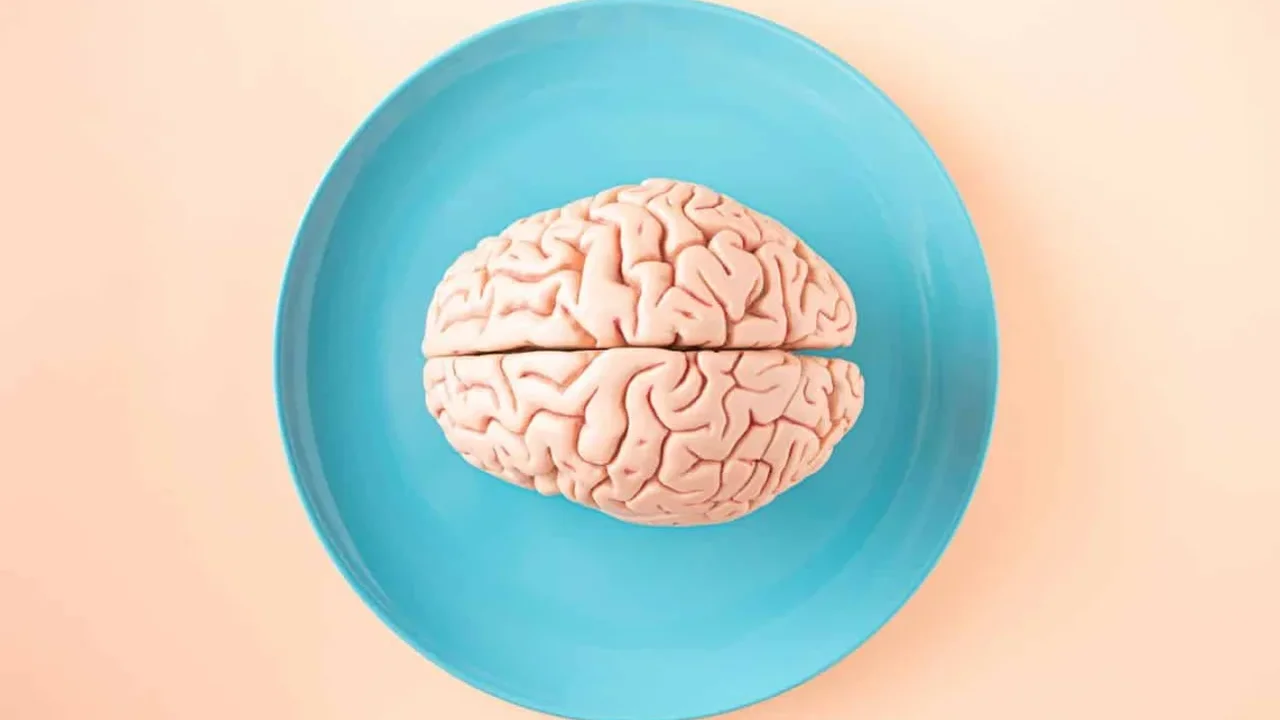
A recent study published in Science sheds light on how aging disrupts the delicate balance of "proteostasis," the process that ensures cells correctly produce, maintain, and dispose of proteins. When this system falters, damaged proteins can accumulate, forming harmful clumps that compromise brain function.
This research offers significant insights into why aging brains are more susceptible to diseases and cognitive decline. According to Judith Frydman, the study's lead author and a professor at Stanford University, "While many processes deteriorate with age, the fundamental molecular reasons behind aging remain elusive. Our findings provide a mechanistic perspective on the increased aggregation and dysfunction of protein production as we age."
A Unique Model for Aging Research
To explore the biological processes occurring in aging brains, researchers utilized the turquoise killifish, Nothobranchius furzeri. These small fish, native to temporary African freshwater pools, have remarkably short lifespans and rapidly develop age-related issues, making them ideal for aging studies.
In contrast to mammals, which age more slowly, killifish allow scientists to observe aging processes on a much faster timeline. The research team compared protein production in young, adult, and old fish, analyzing various components involved in cellular protein synthesis.
The Breakdown of Protein Production
Proteostasis is crucial for maintaining a balance between the creation of new proteins and the removal of damaged ones. It also plays a vital role in preventing proteins from misfolding and clumping together, a process linked to neurodegenerative diseases like Alzheimer's.
Frydman's lab has previously investigated how simpler organisms maintain proteostasis. The new study confirms that similar aging mechanisms are present in more complex species, including humans. "As we age, various problems arise at multiple levels, but a common thread is that these processes are mediated by proteins," Frydman noted. "Our research indicates that the machinery responsible for protein synthesis encounters quality issues as we age."
The researchers identified that a specific phase of protein synthesis, known as translation elongation, is where problems arise. In older fish, ribosomes, the cellular structures that assemble proteins, often stalled or collided, leading to reduced production of healthy proteins and increased aggregation.
"Our findings demonstrate that changes in ribosome movement speed during translation can significantly affect protein homeostasis," stated Jae Ho Lee, a co-lead author and assistant professor at Stony Brook University.
Understanding Aging's Mysteries
The study also addresses the phenomenon of "protein-transcript decoupling," where changes in mRNA levels no longer align with protein levels in aging organisms. The Stanford team discovered that disruptions in protein synthesis, particularly involving ribosomes, contribute to this disconnect.
Many proteins impacted by these disruptions are critical for maintaining cellular integrity and genome stability. As these systems weaken, broader aging-related dysfunctions can emerge.
"Understanding why protein production loses fidelity with aging provides a rationale for why various processes begin to fail," Frydman explained. "To solve a problem, we must first comprehend its root causes."
Future Implications for Alzheimer's Research
The research team plans to investigate whether ribosome dysfunction contributes to human neurodegenerative diseases and explore therapies aimed at enhancing protein production. They are particularly interested in whether improving translation efficiency could restore a healthier protein balance in brain cells and potentially mitigate cognitive decline.
This groundbreaking work not only enhances our understanding of protein biogenesis and homeostasis but also opens new avenues for interventions targeting aging-related diseases.