Two private space companies, True Anomaly and Rocket Lab, have completed a highly advanced orbital rendezvous mission for the U.S. Space Force, highlighting how commercial space systems are increasingly shaping next-generation reconnaissance.
The exercise, called Victus Haze, brought two spacecraft together in orbit for close-range inspection. One vehicle was able to approach the other, capture imagery, and then return to its original position, demonstrating a level of precision that reflects the growing importance of rapid-response space operations.
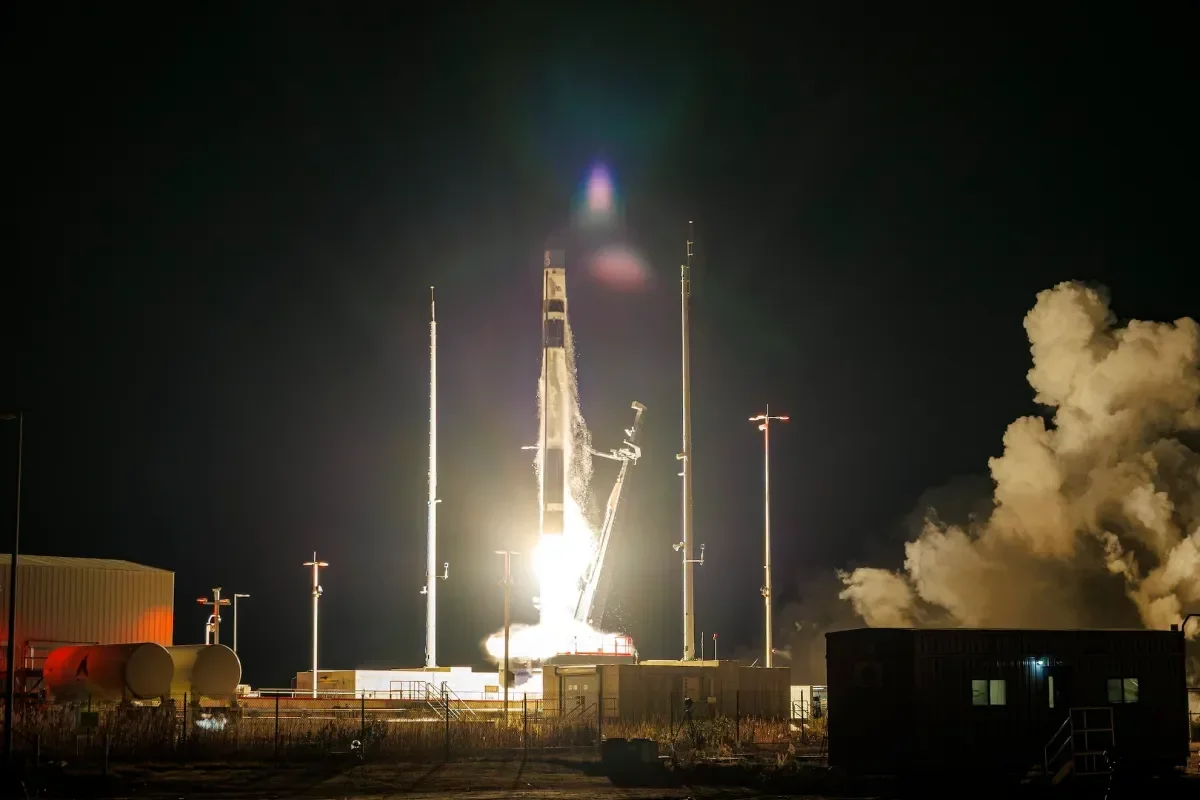
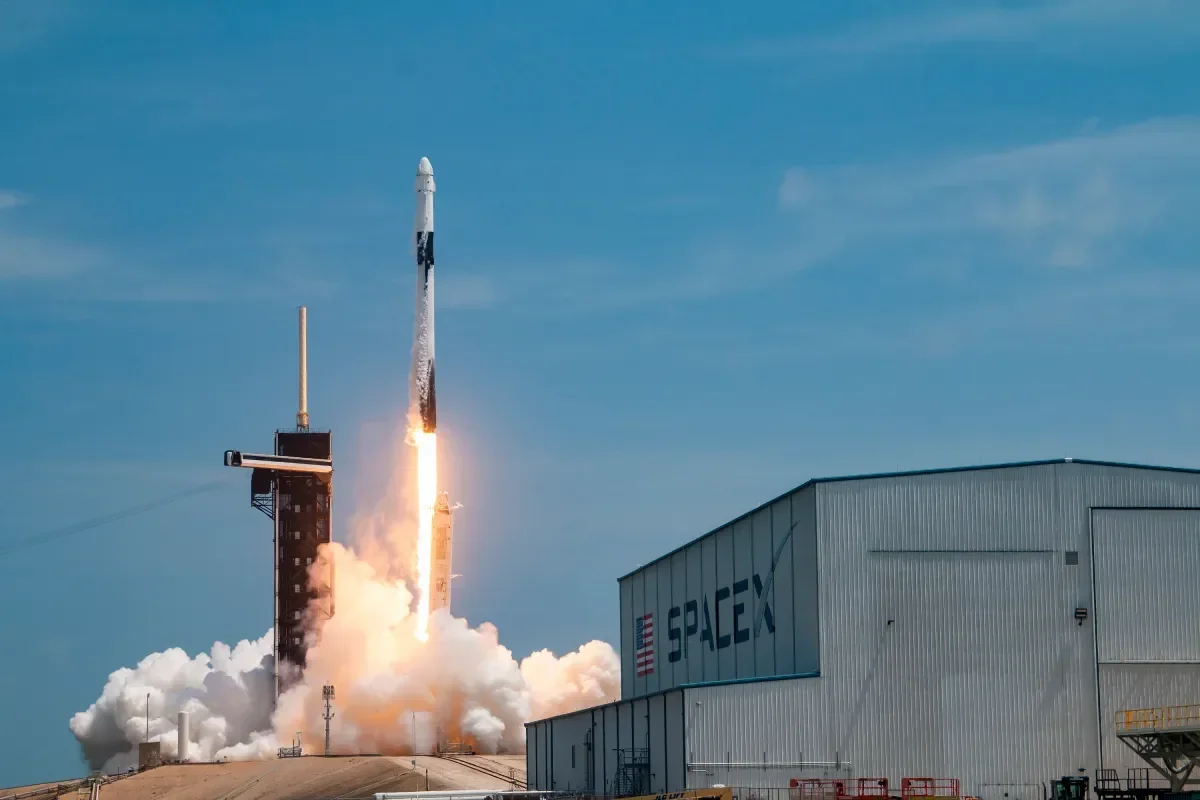
Rocket Lab launched its spacecraft, Puma, just 16 hours and 42 minutes after receiving notice, a timeline that underscores the speed now possible in modern launch operations. In orbit, True Anomaly's Jackal spacecraft used onboard sensors to locate and identify the target from about 2,000 kilometers away before moving in for inspection.
The mission showed how maneuverable satellites can support space awareness and help operators better understand objects entering orbit. As spacecraft become more capable and responsive, private industry is taking on a larger role in building the tools needed for orbital monitoring.
True Anomaly, founded in 2022 by former military space specialists, has been developing hardware and software for these missions as part of its broader work with the U.S. Space Force. The company is now positioned to compete for future task orders, including opportunities tied to the Space Force's Andromeda program.
With more demanding exercises planned, the next phase could include even more dynamic orbital maneuvers. This progress suggests a future where commercial spacecraft play a central role in fast, intelligent, and highly adaptive space operations.