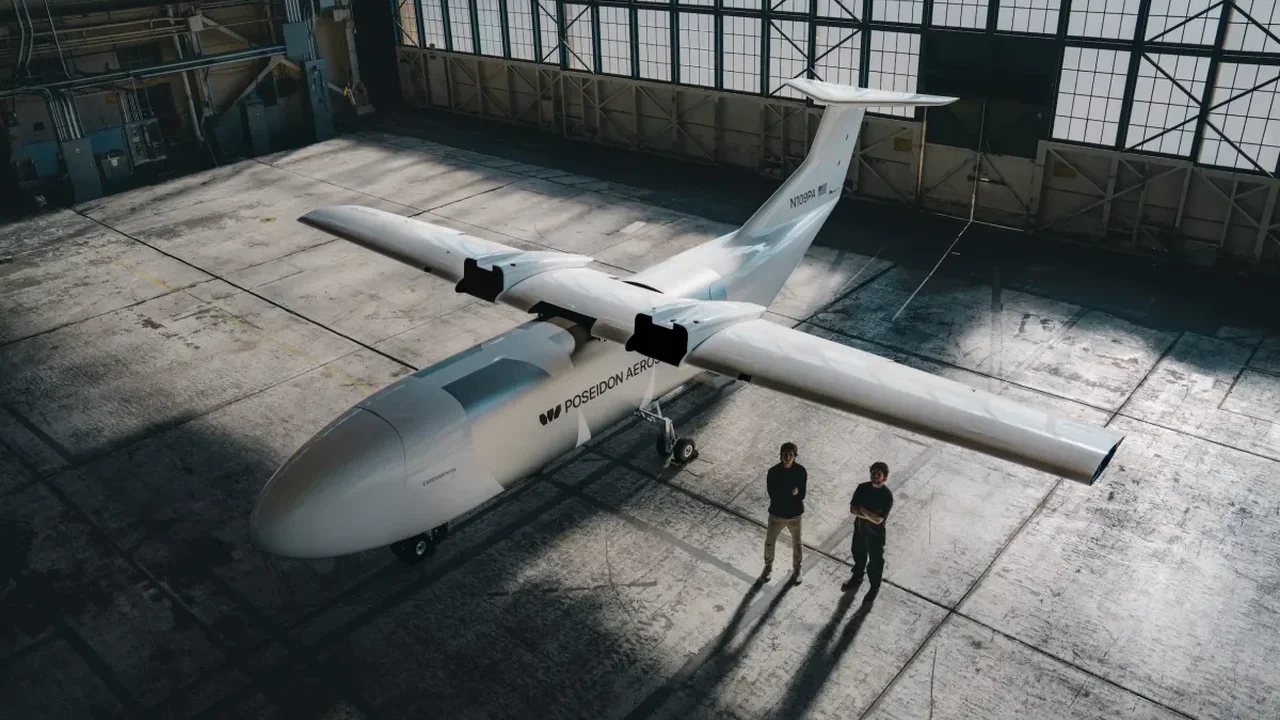
Poseidon Aerospace has secured a $60 million Series A as it moves closer to the first test flight of its uncrewed cargo aircraft, Egret, expected later this year. The round was led by TQ Ventures, with participation from Hanwha Asset Management, G Squared, JAWS, Starship Ventures, Draper Associates and Drover Ventures.
Founded by David Zagaynov and Parker Tenney, the company is building what it calls the future of aerologistics: a cargo-focused aviation model designed around efficiency rather than novelty. After raising $11 million in seed funding last year, Poseidon has expanded its operations and is now preparing for a major step in development.
Unlike many startups in advanced air mobility, Poseidon is taking a more practical route. Its aircraft rely on fixed-wing design, autonomy and remote piloting, while avoiding vertical takeoff systems and alternative powertrains. The company says this approach can help lower operating costs and increase aircraft utilization.
Poseidon's first aircraft, Egret, and its seaplane version, Heron, are intended for regional cargo missions. The startup is initially targeting defense and commercial logistics, including routes that serve remote communities and areas with limited infrastructure. It also plans to operate its own cargo service rather than sell aircraft, aiming to compete in the regional freight market.
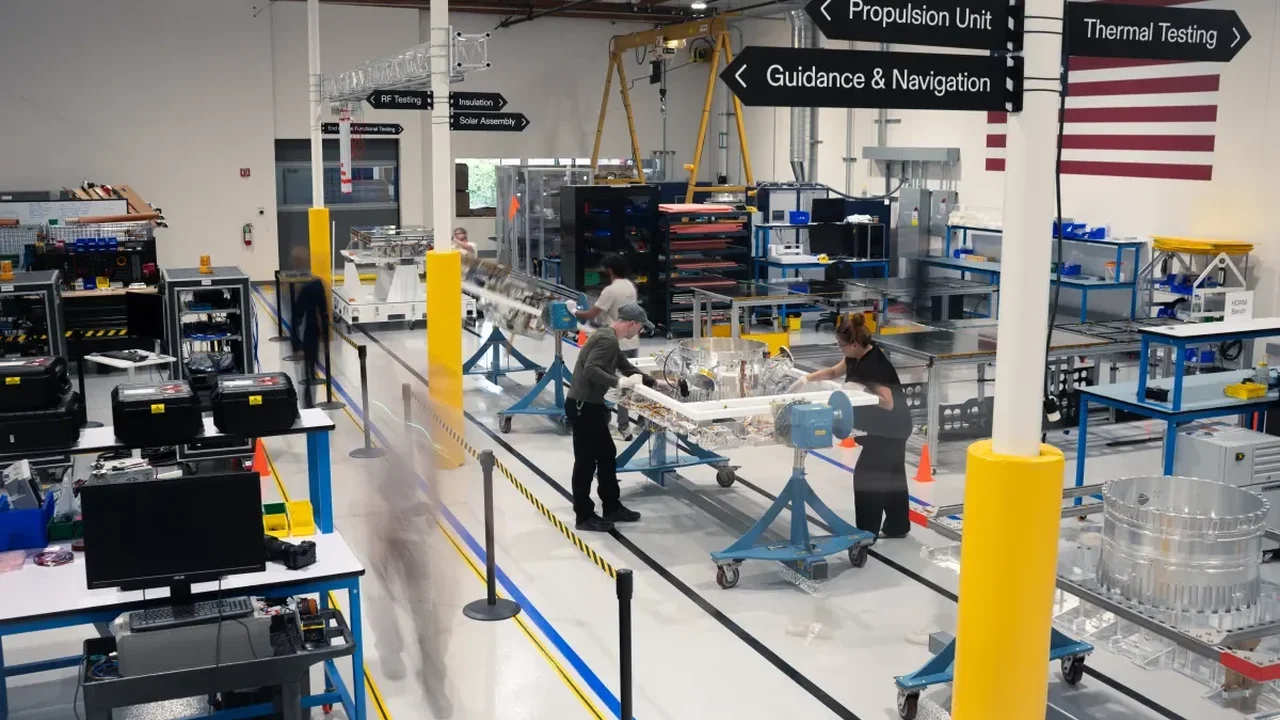
The company has set up shop in an old Navy hangar in Alameda, California, and is preparing to scale hiring as it advances toward flight testing. It previously flew a quarter-scale prototype called Seagull, helping validate the concept before moving to the full-size aircraft.
With regulatory pathways for new aviation concepts gradually opening, Poseidon's progress reflects a broader shift toward more flexible and efficient air logistics. If successful, this model could help shape a faster, leaner future for regional cargo transport.