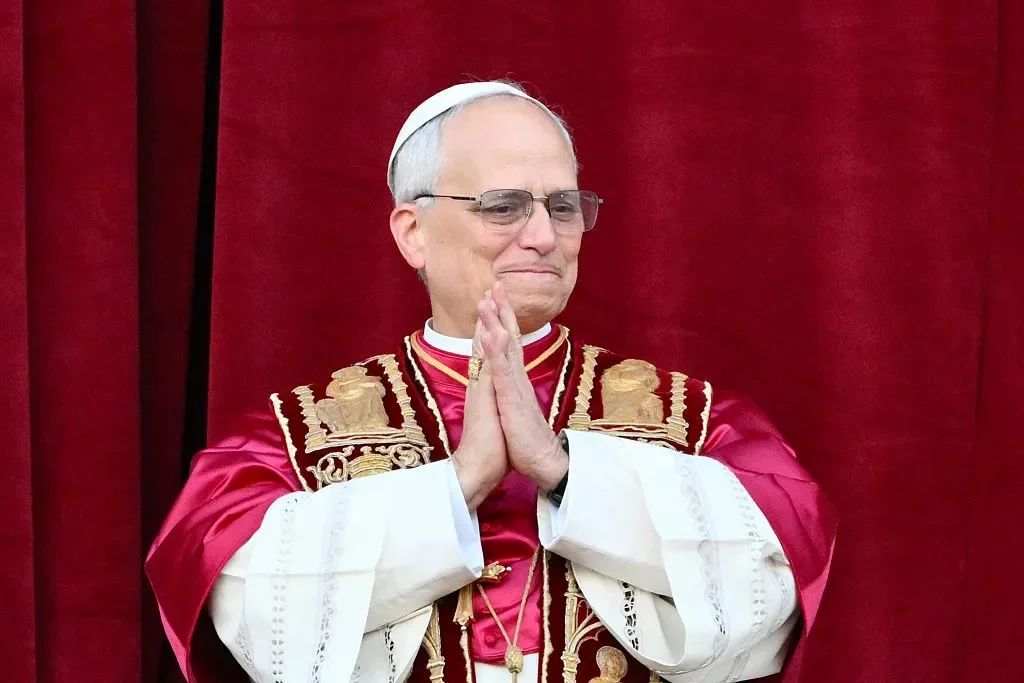
Pope Leo XIV has unveiled his inaugural encyclical, titled Magnifica Humanitas, focusing on the theme of "safeguarding the human person in the age of artificial intelligence." While the encyclical uses AI as a focal point, it delves into broader issues such as inequality, the erosion of democratic values, and the consolidation of power among a select few who may not prioritize the welfare of humanity.
During the presentation of this comprehensive 200-page document, co-founder of Anthropic, Chris Olah, joined the Pope in discussing the implications of technology governed by a small elite. The Pope asserts that such concentrated power cannot serve the common good effectively.
He warns, "When power is held by a limited group, it often becomes opaque, evading public scrutiny, which heightens the risk of development that fosters new dependencies and inequalities." The encyclical further states that significant technological advancements, particularly AI, tend to amplify the influence of those who already possess economic resources, expertise, and access to data.
Highlighting the potential misuse of power, the Pope expresses concerns over how elites can manipulate information, sway democratic processes, and steer economic trends to their advantage. This message comes shortly after President Donald Trump postponed an executive order aimed at establishing governmental oversight of AI models, reportedly influenced by venture capitalist David Sacks.
Pope Leo XIV advocates for AI to be directed by "clear criteria and effective oversight" that includes input from communities affected by its implementation. He emphasizes the need to halt the escalating competition for ever more powerful algorithms and datasets that companies and nations pursue for geopolitical or commercial supremacy.
"To disarm means to challenge the notion that technical power automatically grants the authority to govern," he states, echoing sentiments that resonate through history. The Pope's reflections are reminiscent of Pope Leo XIII's Rerum Novarum, which addressed similar issues during the Industrial Revolution, illustrating that the concentration of power is not a new phenomenon.
Recent events, such as Elon Musk's acquisition of Twitter and the substantial financial contributions from tech elites to influence political outcomes, serve as contemporary examples reflecting the dynamics the Pope critiques.
Professor Paolo Carozza from Notre Dame Law School, a member of the Pontifical Academy of Social Sciences, emphasizes the challenges posed by AI-driven misinformation. He notes that such developments threaten our ability to discern truth, which carries significant implications for democratic governance.
This encyclical serves as a reminder that as we navigate the complexities of AI and technology, the need for equitable governance and community participation is more crucial than ever.