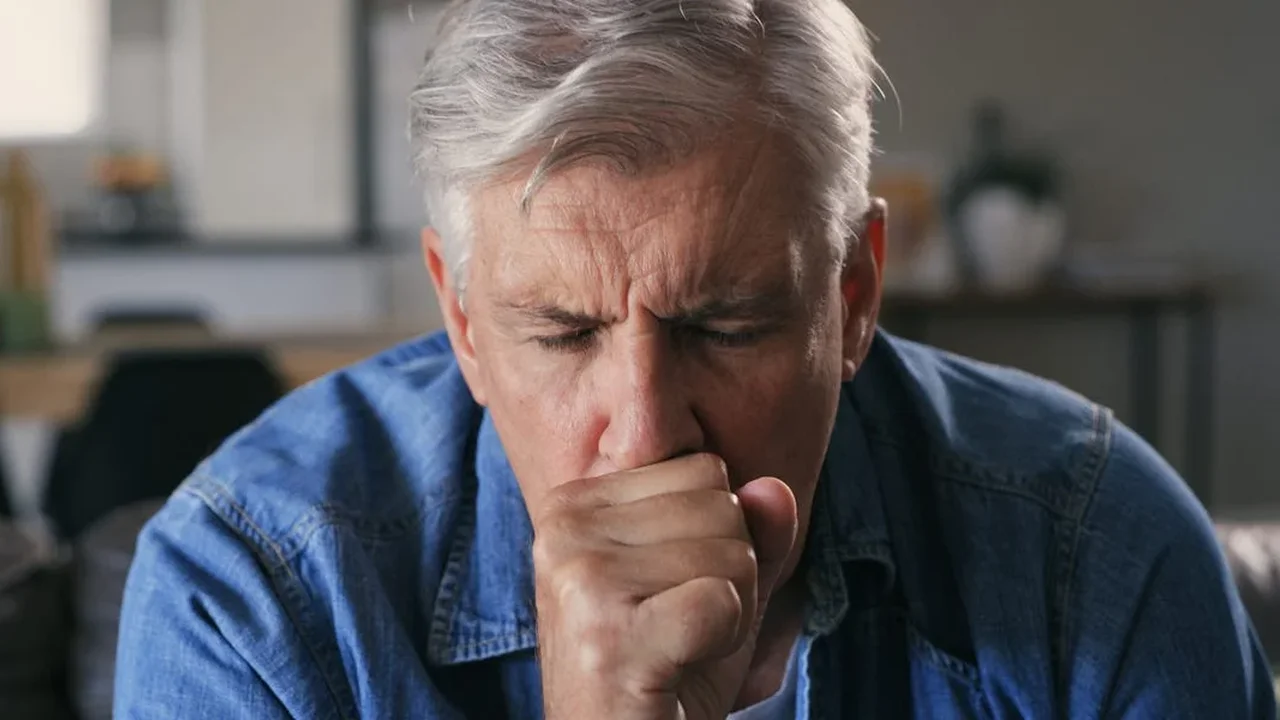
What starts as a routine cough can sometimes signal something more serious. Health experts say that when respiratory symptoms linger or intensify, it is wiser to seek medical advice early rather than try to push through.
When a Cough Deserves Attention
Infectious disease specialist William Schaffner of Vanderbilt University Medical Center notes that many people delay care, hoping symptoms will fade on their own. But if an illness is actually pneumococcal pneumonia, early evaluation can make a meaningful difference.
Not every cough requires urgent care. Mild fever, light chills, and clear mucus may be monitored for a short time. Still, persistent fever, shaking chills, chest pain, faster breathing, shortness of breath, or thick mucus are signs that deserve a closer look.
How Pneumonia Is Identified
According to the Centers for Disease Control and Prevention, pneumococcal pneumonia is caused by Streptococcus pneumoniae, a common bacterial trigger of lung infection. Because its symptoms can resemble flu, COVID-19, or bronchitis, doctors often rely on a physical exam, oxygen checks, and sometimes a chest X-ray to confirm the diagnosis.
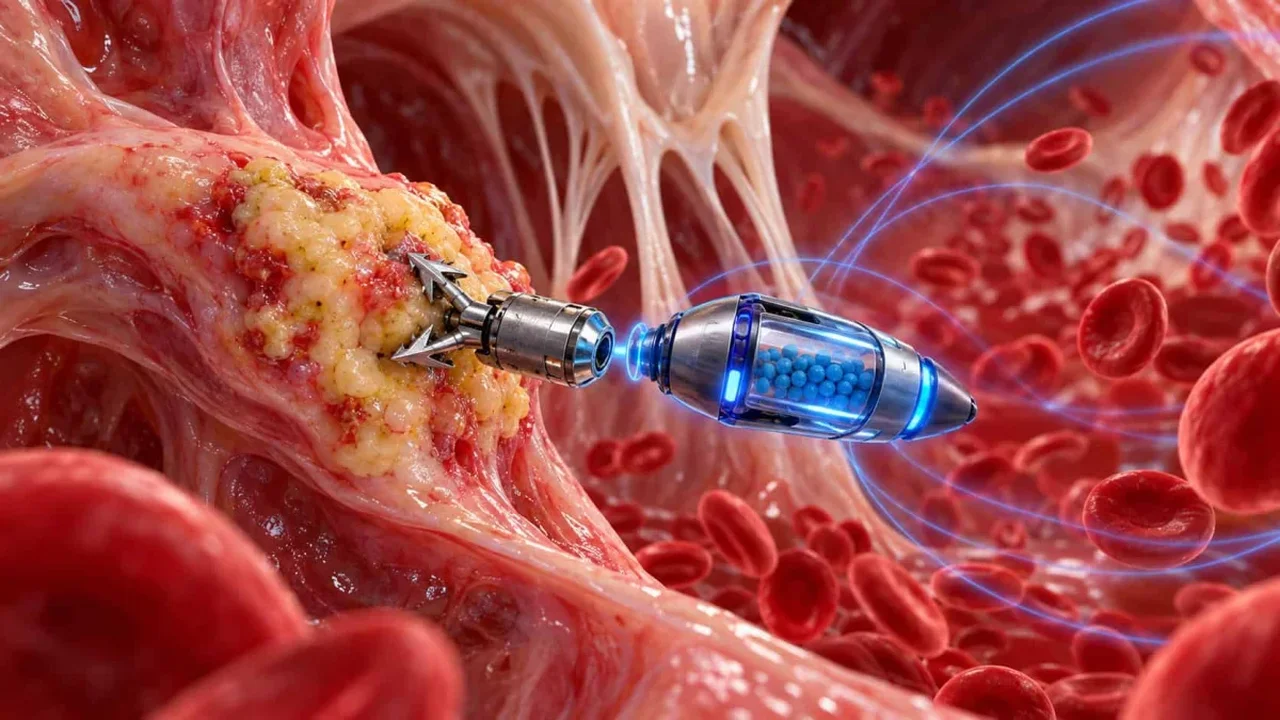
Pneumonia affects the air sacs in the lungs, where oxygen exchange happens. When those spaces fill with fluid and inflammation, breathing becomes less efficient and the body can struggle to get enough oxygen.
Who Faces Higher Risk
Older adults, especially those 50 and above, and people living with asthma, COPD, diabetes, or weakened immunity face greater risk. Smoking, vaping, and heavy alcohol use can also raise vulnerability by affecting lung health and immune response.
Prevention plays a central role. The CDC recommends pneumococcal vaccination for adults 50 and older, and for younger adults with certain health conditions or risk factors. Experts also advise reviewing vaccination history with a doctor or pharmacist, since recommendations have changed over time.
If breathing becomes difficult, symptoms worsen, or a person improves and then suddenly declines, medical evaluation should not wait. Early assessment can help guide treatment before the illness escalates. In the future, wider awareness and timely prevention may help more people stay ahead of serious respiratory infections.