AI agents can perform complex tasks, but their results may become less dependable when they encounter unusual situations or must combine information from multiple systems. Startup Plurai is applying an approach inspired by autonomous-vehicle development to help agents handle these challenges.
The company builds a digital twin of a business's electronic systems, including the tools and knowledge available to an AI agent. It maps possible workflows and uses simulations and synthetic data to test edge cases, helping teams evaluate and improve agents before deploying them in real-world operations.
Plurai's platform is designed to work alongside agent-development tools such as Claude Code, Codex, Copilot and Cursor. The startup also aims to use data from simulations to fine-tune smaller, open-weight models for specific business needs. It says tests conducted with Nvidia and Nebius showed its tailored models could perform better than some mid-tier alternatives at lower cost.
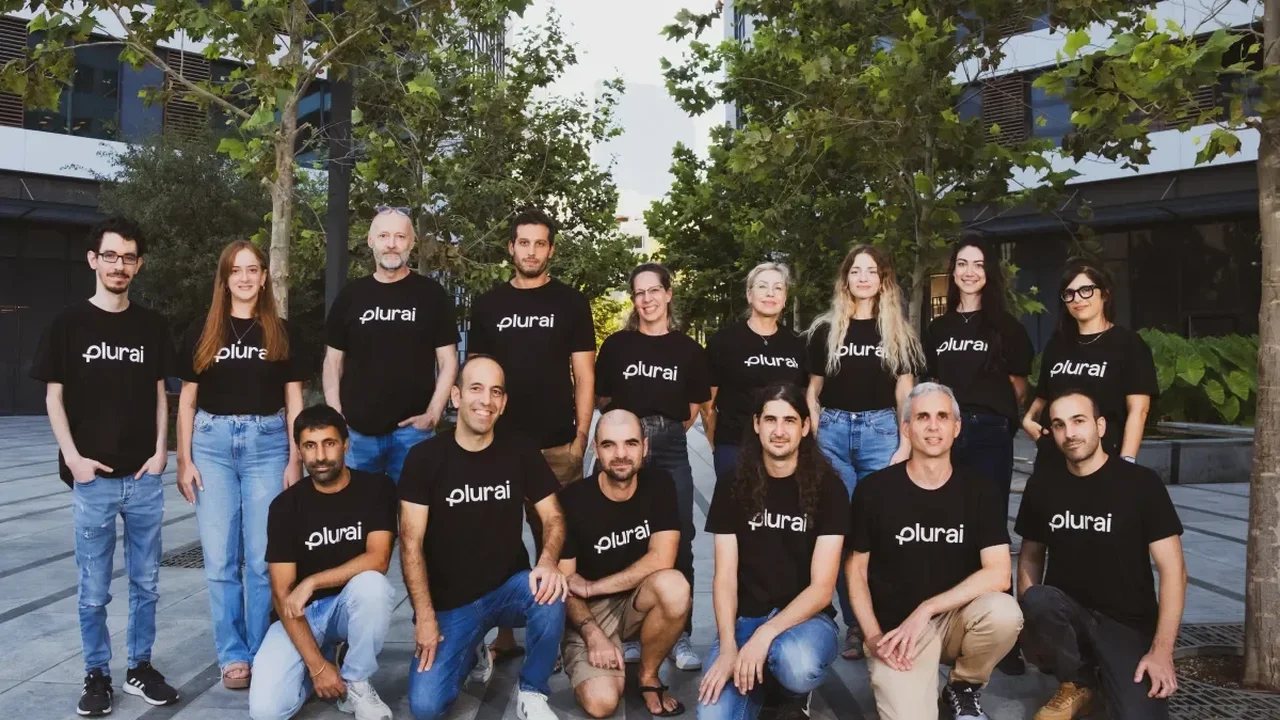
Founded by former autonomous-driving technology workers Ilan Kadar and Elad Levi, Plurai announced a $13 million seed round led by Team8, with participation from U&I, Velocity and Mercer.
By adapting simulation methods to company-specific AI workflows, Plurai is betting that agents can become both more dependable and less expensive to operate. If the approach scales, it could help businesses move from AI demonstrations to systems built for everyday work.