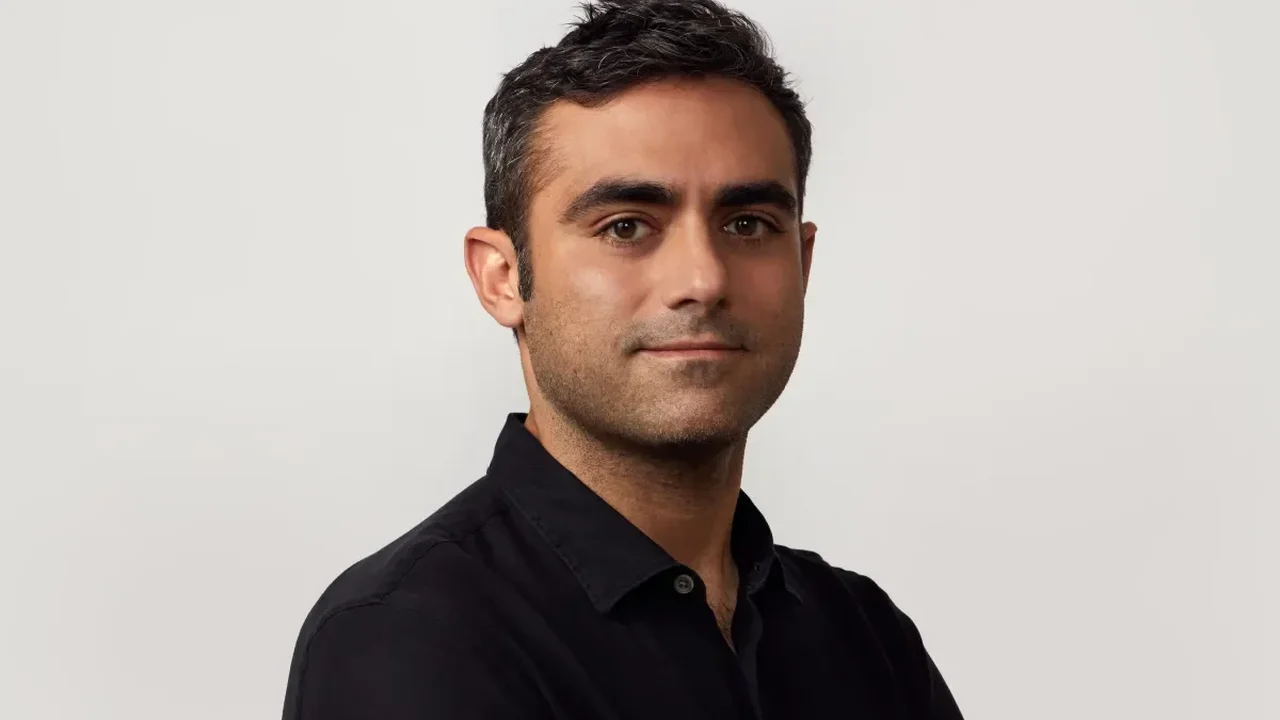
Michael Polansky, founder and CEO of Outer Biosciences, is building an unusual bridge between biology and machine learning: an AI system trained on living human skin kept viable outside the body for weeks. The company's goal is to speed up the discovery of ingredients for skincare and related applications.
A new model for skin research
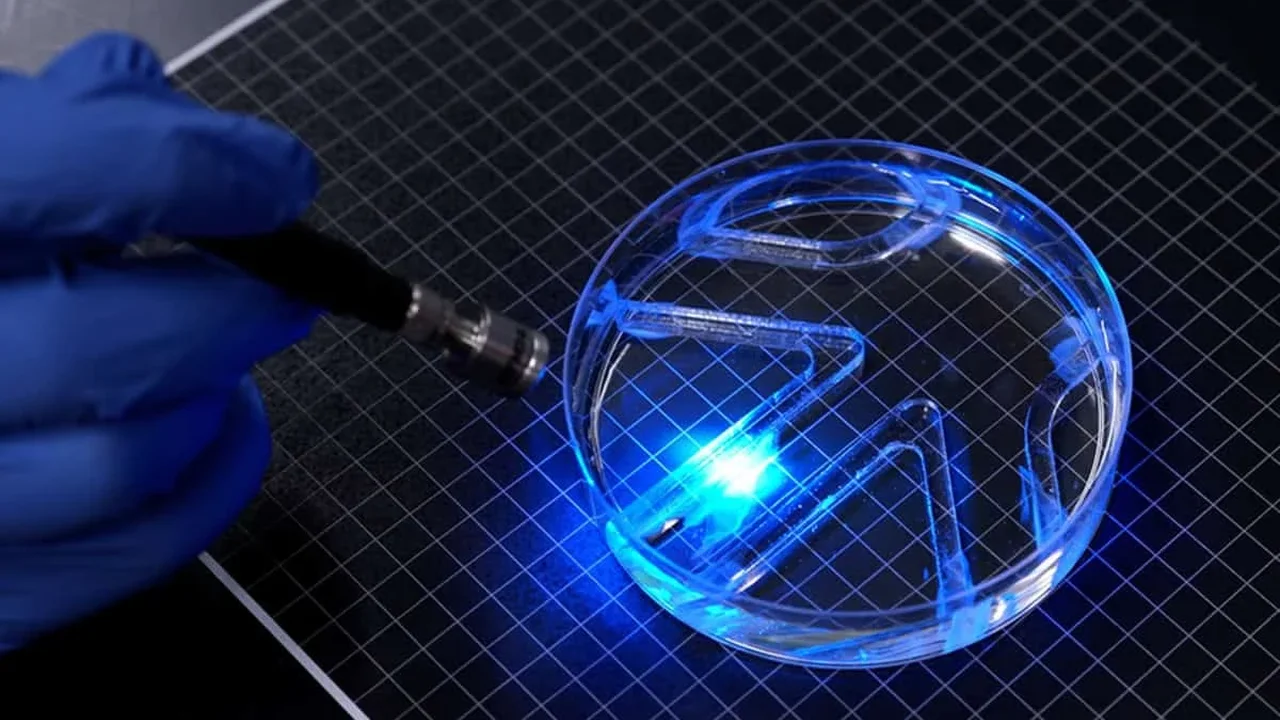
Outer Biosciences sources human skin that would otherwise be discarded after surgery, working through approved tissue banks and documented donor consent. The tissue is then supported with a proprietary system that supplies nutrients and removes waste, allowing it to remain active far longer than standard lab samples.
According to Polansky, that extended timeline makes it possible to observe slower biological processes such as pigmentation shifts, collagen remodeling, and barrier repair. The company says its method preserves the tissue's original structure and molecular activity while enabling controlled experiments over time.
The workflow is designed as a feedback loop: an AI model predicts which untested compounds may influence a specific skin function, researchers test those compounds on living tissue, and the results are fed back into the model to improve the next round of predictions. Outer Biosciences says this approach has helped it move from a slow, literature-based process to generating new candidates roughly every six weeks.
The startup is focused on cosmetic ingredients rather than drugs, which means its path to market centers on standardized naming, safety testing, and partnerships with beauty or pharma companies. Polansky says several of the company's current leads could move toward commercialization.
Outer Biosciences has also attracted interest through research collaborations, including work related to skin reactions caused by certain cancer therapies. With a compact team and a growing data set, the company is positioning itself as part of a broader shift toward predictive biology, where AI and living tissue work together to shorten discovery cycles. The model points to a future in which skin science becomes faster, more precise, and more personalized.