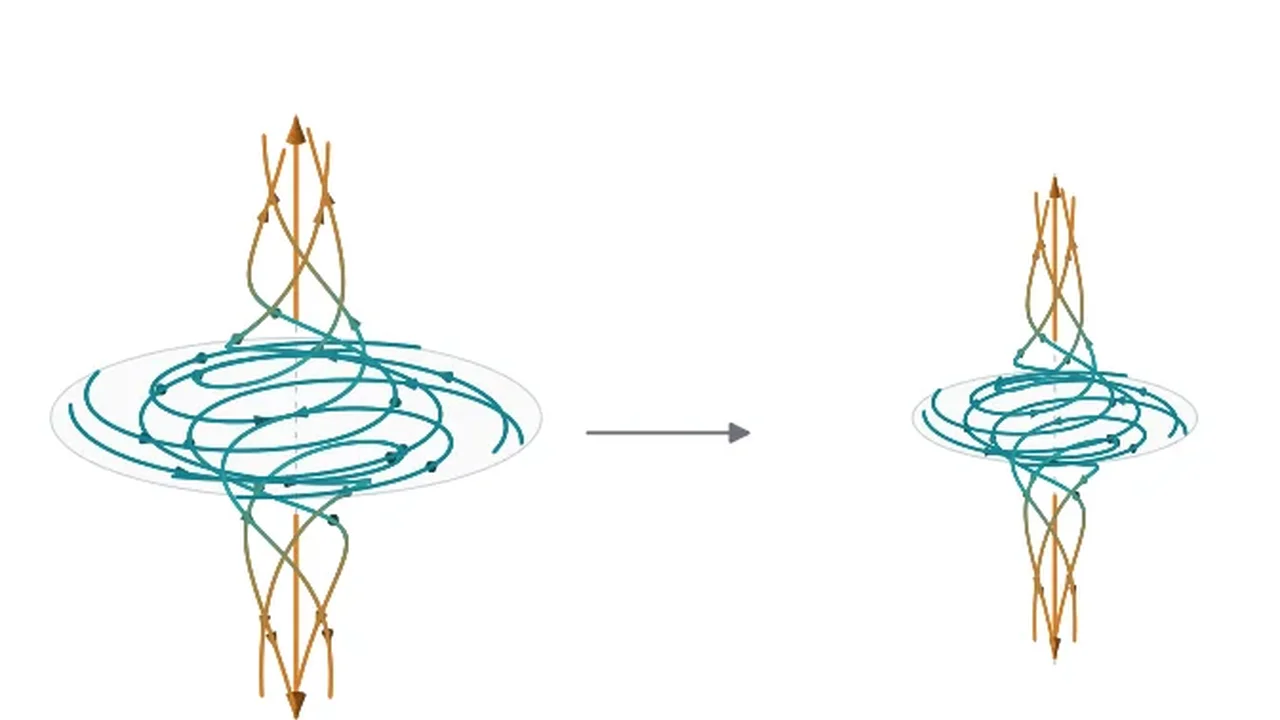
OpenAI's upcoming Astra model is reportedly testing a reasoning method known as recurrent depth, a design that moves away from the usual step-by-step pattern used in many AI systems. The approach, also described as opaque recurrence, may make the model's internal reasoning harder to track.
That possibility has quickly become a focal point for AI safety researchers, who rely on visible reasoning traces to understand how models arrive at answers and to spot unusual behavior. In traditional systems, chain-of-thought records can help researchers evaluate reliability and monitor alignment.
According to the reporting, Astra's use of the technique is limited for now, and OpenAI has said it remains committed to keeping reasoning legible. Chief scientist Jakub Pachocki has also emphasized that preserving monitorable chains of thought remains a core research goal.
Still, the discussion has widened across the AI field. Experts including Buck Shlegeris and Ryan Greenblatt have warned that more intensive use of opaque reasoning could reduce visibility into model behavior, while broader industry conversations are already exploring how such methods might shape future AI design.
OpenAI says it is also developing stronger monitoring systems for reasoning models, signaling that transparency and performance are likely to remain central priorities as the technology evolves. The debate highlights a key question for the next generation of AI: how to advance capability without losing interpretability.
As reasoning systems become more powerful, the balance between speed, depth, and transparency may help define the next era of trustworthy AI.