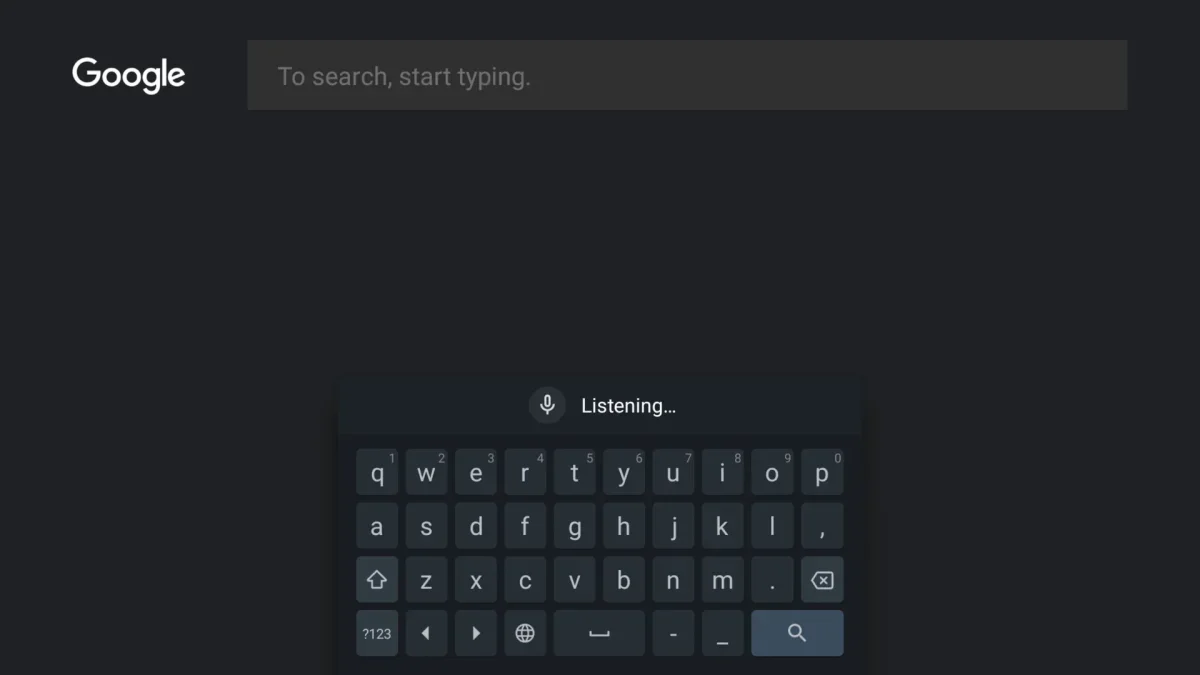
Android users looking beyond Gboard now have two notable open-source options that prioritize on-device privacy and customization: FUTO Keyboard and HeliBoard. Both are designed to keep typing data local, offering a different vision for mobile input in an age where privacy matters more than ever.
FUTO Keyboard: familiar, fast, and offline
FUTO Keyboard is built as a near drop-in replacement for Gboard. Its interface and workflow feel familiar, but its core approach is different: keystrokes stay on the device, and no external servers are needed. The app also includes offline AI-powered text prediction and voice typing, using lightweight models that run locally.
Beyond privacy, FUTO gives users extensive control over the typing experience. The keyboard size can be adjusted, a number row can be added, an arrow bar can be enabled, and themes can be customized. It also offers detailed gesture settings, including options for long-press behavior. In practice, it aims to combine convenience with a more transparent design.
HeliBoard: minimal, open, and security-focused
HeliBoard takes a stricter path. Built on the legacy of OpenBoard and the original Android keyboard, it avoids network permissions entirely and does not include AI-based prediction or voice tools. Instead, it focuses on the essentials: gesture typing, clipboard support, a number row, and broad appearance controls.
Users can reshape the keyboard, switch styles, and even personalize the background. For those who prefer a leaner, more auditable tool, HeliBoard offers a straightforward alternative that keeps the experience simple and local.
As Android continues to evolve, privacy-first keyboards like these may help set a new standard for how everyday digital tools balance intelligence, control, and trust.