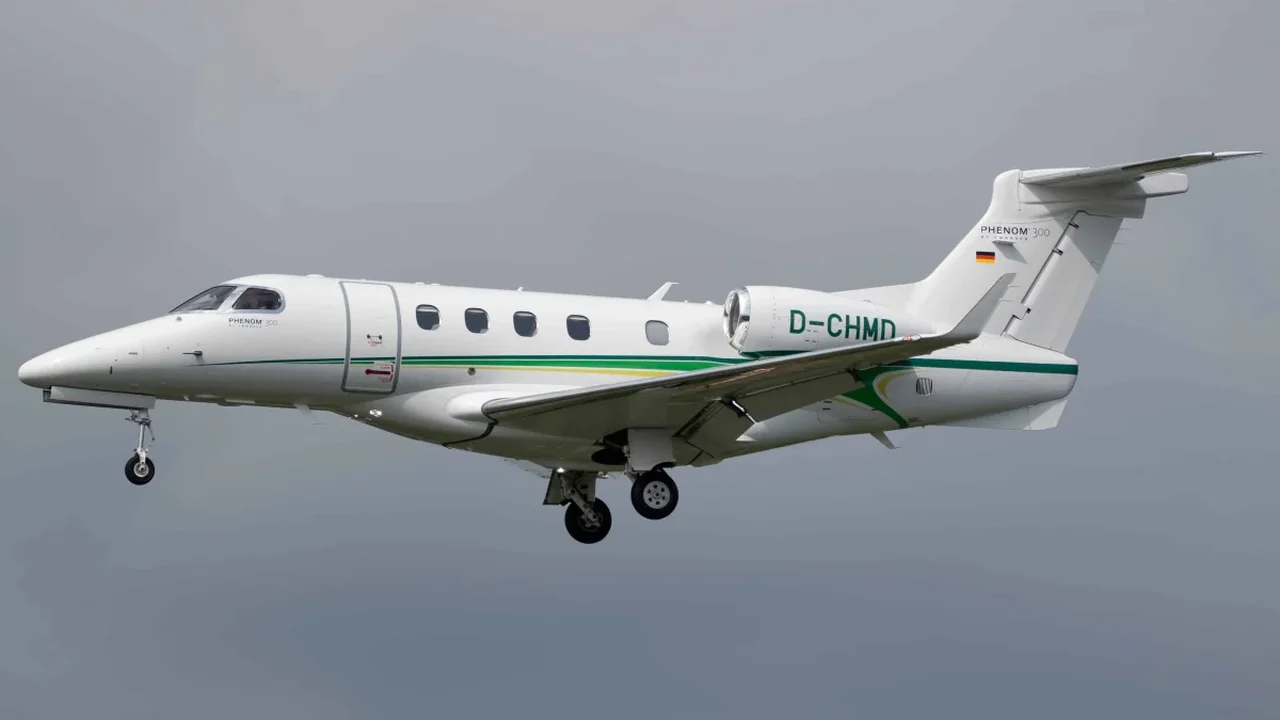
One average private jet flight released an estimated 3.7 metric tons of carbon dioxide in 2025--roughly the amount the average person worldwide generates in a year, according to an Oxfam report.
A concentrated climate footprint
Oxfam estimates that private jets made about 4.4 million flights worldwide in 2025, producing 16.05 million metric tons of CO₂. The organization says around 250,000 people use private jets, a tiny share of the global population. With fewer passengers sharing the fuel use, emissions per traveler can be especially high.
The report also highlights wider disparities in consumption-related emissions: the richest 0.1% of the world's population--about eight million people--are estimated to produce more than the poorest 44% combined. Oxfam further attributes about 486 million metric tons of CO₂-equivalent emissions to investments held by 1,000 billionaires across 1,095 companies in 2025.
Private aviation is concentrated in the United States, which accounted for an estimated 68% of global private jet departures in 2025 despite representing about 4% of the world's population. The full climate impact of flights may also include warming effects from nitrogen oxides and condensation trails, beyond carbon dioxide alone.
Research published in Communications Earth & Environment found private aviation emissions rose 46% between 2019 and 2023. Oxfam's 2025 report has not been peer reviewed.
More transparent emissions accounting and lower-carbon travel options could help shape how aviation evolves, while informing future climate policies.