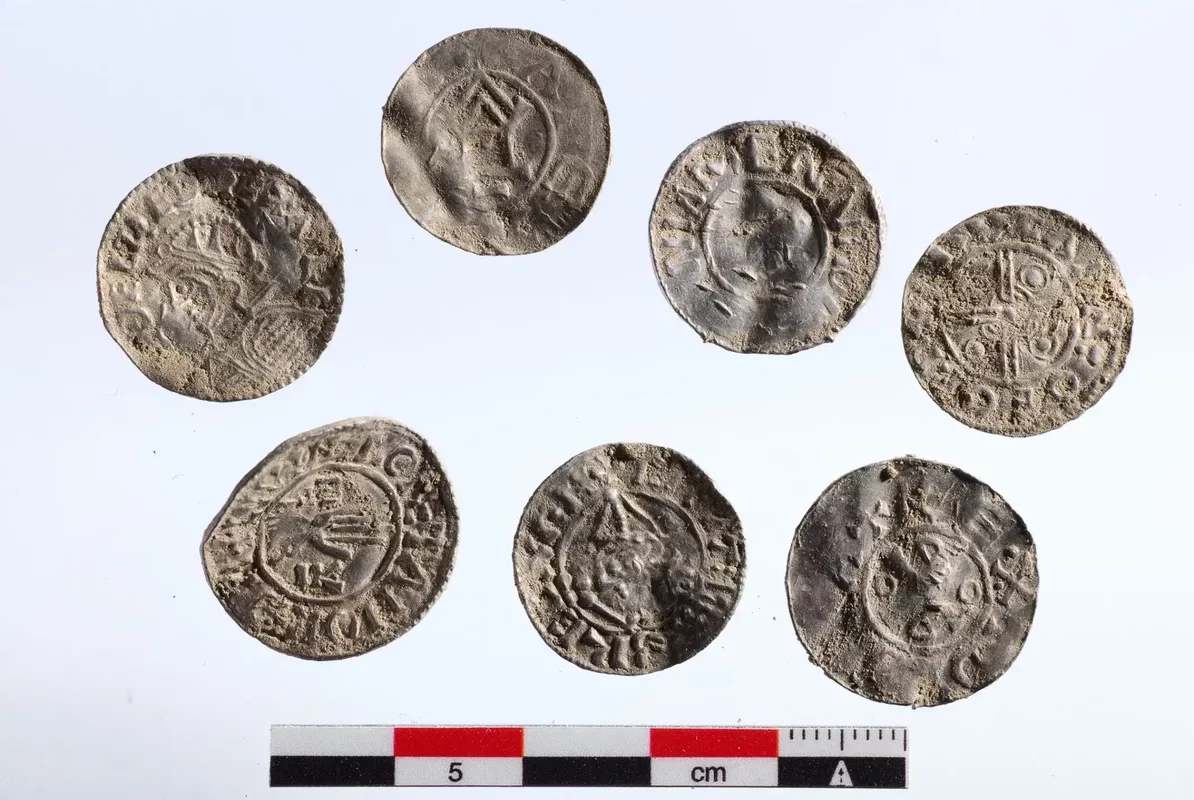
This spring, two metal detector enthusiasts exploring a plowed field in eastern Norway stumbled upon a remarkable discovery that would exceed their wildest expectations. Initially detecting a few signals, they were soon overwhelmed as their devices continuously beeped, leading them to uncover a staggering cache of approximately 3,000 silver coins and fragments of hacksilver.
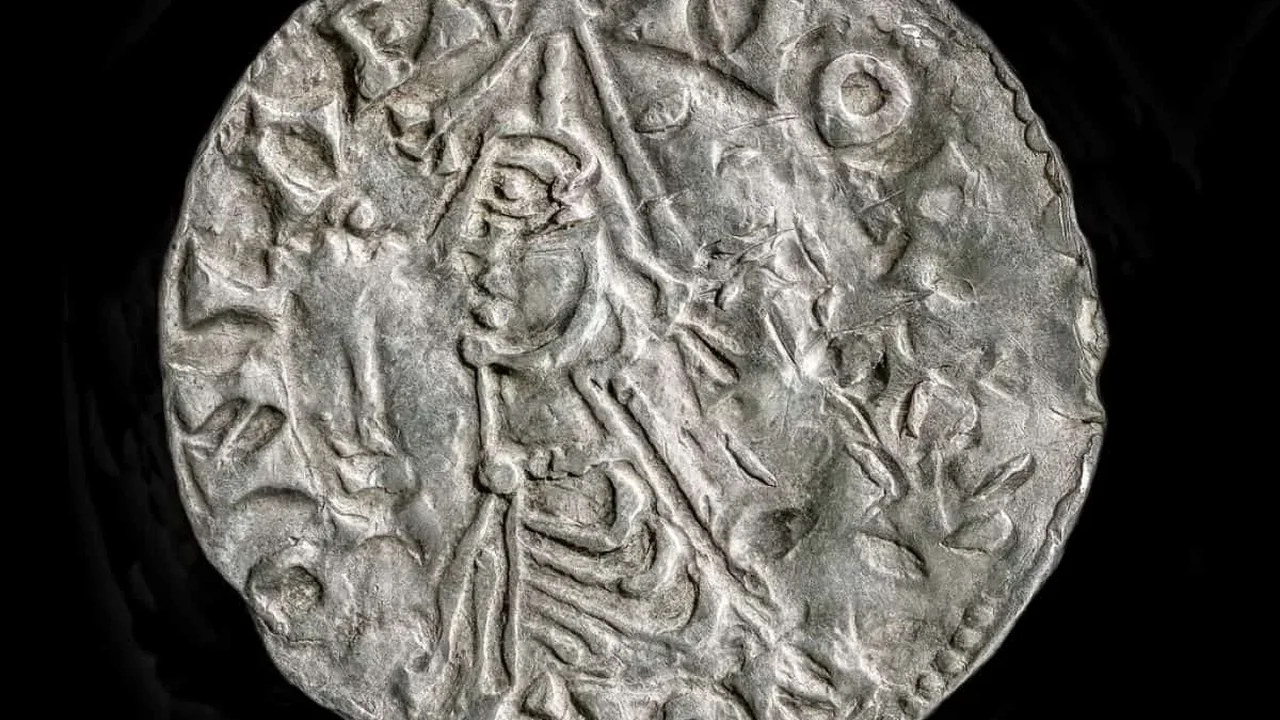
This treasure, now referred to as the Mørstad Hoard, marks the largest collection of Viking Age coins ever found in Norway. Dating back to around 1050, it encapsulates a pivotal moment in Norwegian history, signifying a shift from a silver economy reliant on foreign coins to one influenced by royal minting in Norway. This discovery also hints at a source of Viking wealth that diverges from traditional narratives of raiding--namely, the extraction of bog iron.
Extraordinary Discovery
Vegard Sørlie and Rune Sætre were scanning the farmland near Rena when they unearthed 19 silver disks. Recognizing the significance of their find, they promptly contacted local authorities. Archaeologist May-Tove Smiseth from Innlandet County Municipality remarked on the relentless beeping of their detectors, which indicated they were on the verge of a historic discovery.
The urgency of securing the site became apparent as the hoard lay exposed in an open field, presenting a risk of loss. Archaeologists and detectorists collaborated swiftly to map and excavate the treasure before news could spread.
Norway had not witnessed a hoard of such magnitude since 1950, making this find truly exceptional.
Currency Insights
Upon arrival at the Museum of Cultural History in Oslo, specialists were astounded not only by the volume of coins but also by their excellent condition, preserved by the soil's unique properties. Many of the coins appear as though they were just minted.
The diversity within the hoard reflects the extensive trade networks of the late Viking era. Numismatists identified numerous pieces minted by influential European rulers, showcasing the global currency dynamics of the time. Interestingly, the hoard also contained freshly minted Norwegian coins, indicating a transition to a national currency under King Harald Hardrada's reign, who sought to establish a sovereign economic system following his return from Byzantium around 1045.
Wealth from the Earth
The identity of the individual or family behind this wealth remains a compelling mystery. Archaeologists suggest that the wetlands surrounding the hoard were once a significant center for iron production, where bog iron was extracted and traded for silver.
This monopoly on bog iron generated considerable wealth, suggesting that the Mørstad Hoard belonged to an elite figure engaged in large-scale iron extraction and trade.
An Unclaimed Treasure
It is believed that the treasure was originally stored in a leather pouch or wooden box, which deteriorated over time. Modern agricultural practices later disturbed the site, scattering the coins across the surface. Despite efforts using ground-penetrating radar, no nearby structures have been located, leaving the reasons for the hoard's burial a tantalizing mystery.
As archaeologists continue to explore this ancient site, more artifacts may yet emerge, offering deeper insights into the Viking Age and its economy.