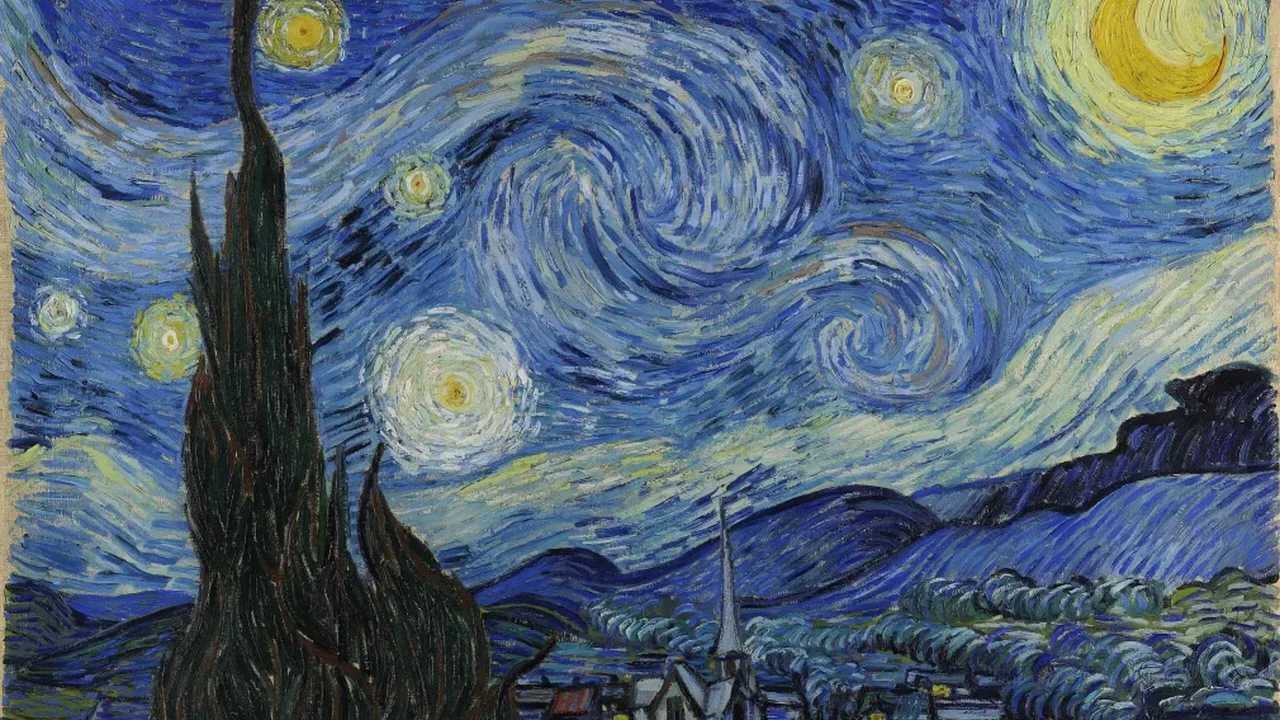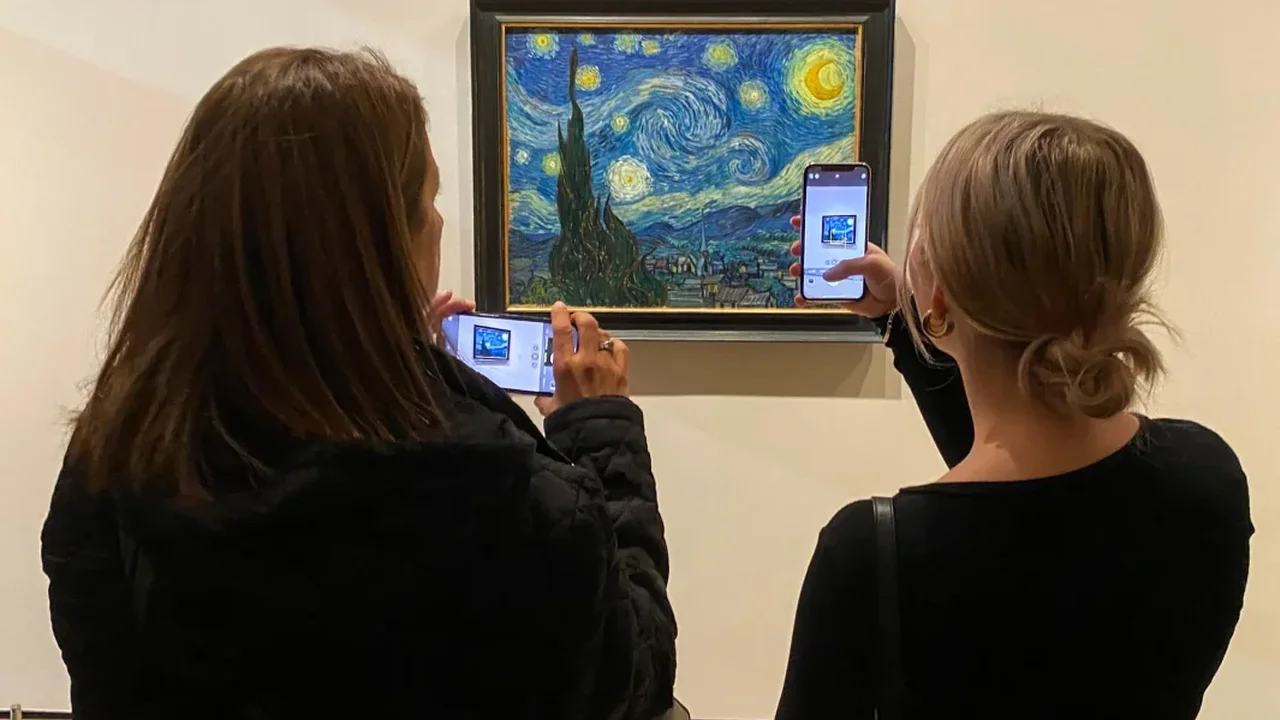
A multidisciplinary study is challenging the widely accepted view that Vincent van Gogh painted The Starry Night in June 1889. The researchers suggest that the sky depicted in the work may instead reflect celestial conditions in July of that year.
Published in Scientific Reports on October 22, the study combines analysis of star positions with historical weather models and evidence from Van Gogh's letters. The South Korean research team argues that several features in the painting's sky align more closely with a July arrangement.
The proposal revisits a long-running question about the work, which is thought to have been inspired by the view from Van Gogh's window in Saint-Rémy-de-Provence. The researchers say earlier astronomical interpretations relied on the conventional June dating and had not quantitatively tested the celestial arrangement as a whole.
The findings point to July as a possible source for the painted sky, rather than conclusively establishing a new date. Further interdisciplinary research may refine how art historians connect historic artworks with the natural world observed by their creators.